
There's something about the desert that speaks to my soul. Perhaps it's the stark contrast to my Kansas upbringing, where the rolling Flint Hills offered a different kind of beauty altogether. Out here in the Sonoran Desert during springtime, though... well, that's a spectacle that defies what most folks think they know about deserts.
When the Desert Comes Alive
This morning I woke before dawn, as I often do these days. The benefits of age, I suppose—less sleep needed but more time to contemplate the world around you. Paulette was still nestled under our comforter as I slipped out of bed, camera gear already packed from the night before. There's a rhythm to these winter sojourns at Lake Mohave. While our friends back in Santa Fe are shoveling snow from their driveways, I'm preparing to document one of nature's most spectacular shows.
The Sonoran Desert spring bloom doesn't announce itself with subtlety. It arrives like a revelation, transforming the seemingly barren landscape into a canvas of colors so vivid they almost hurt your eyes. After spending my formative years watching the Kansas prairie grass wave in the wind, there's something miraculous about witnessing a desert burst into flower.
The Golden Canopy of Palo Verde
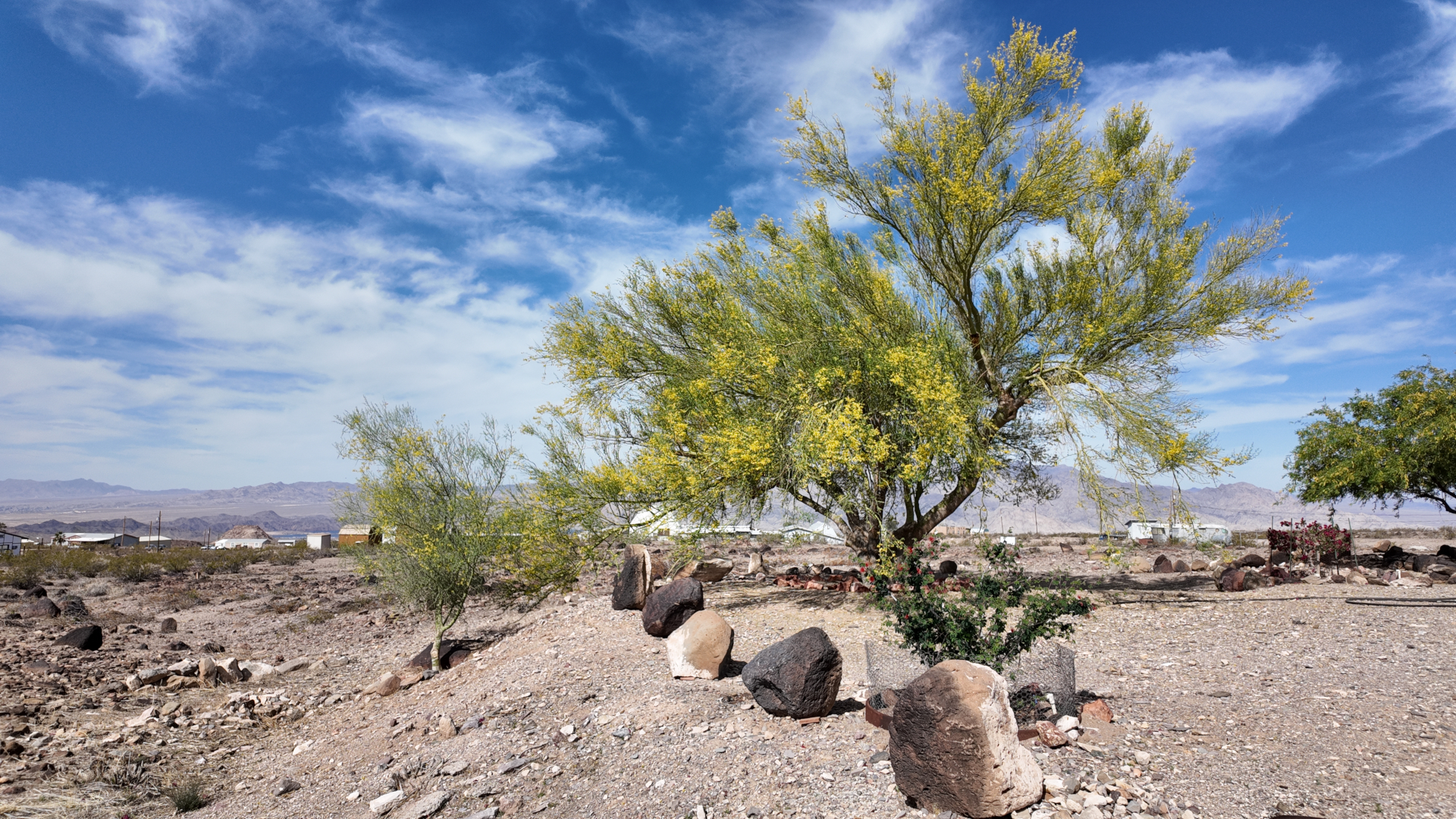
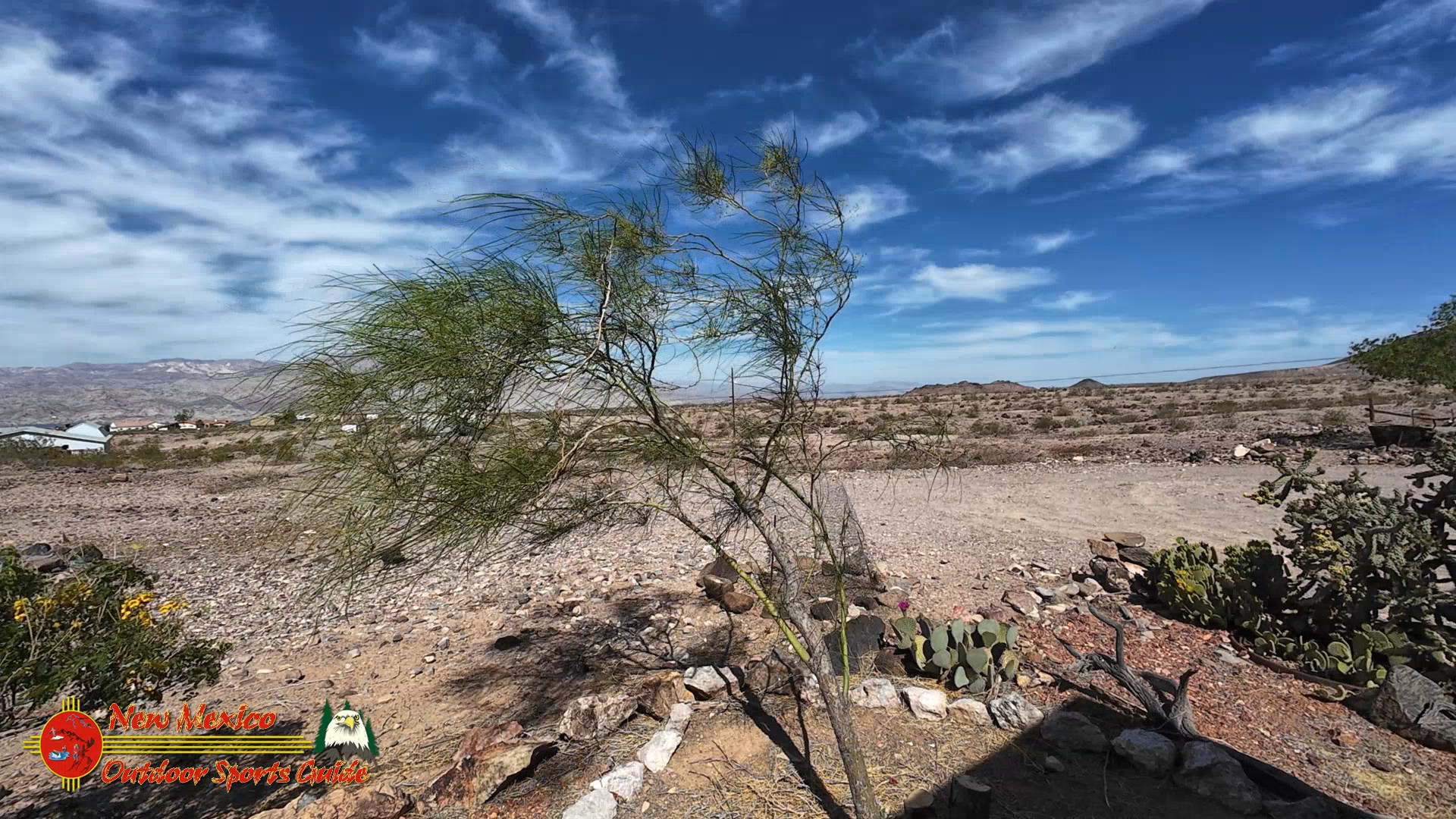
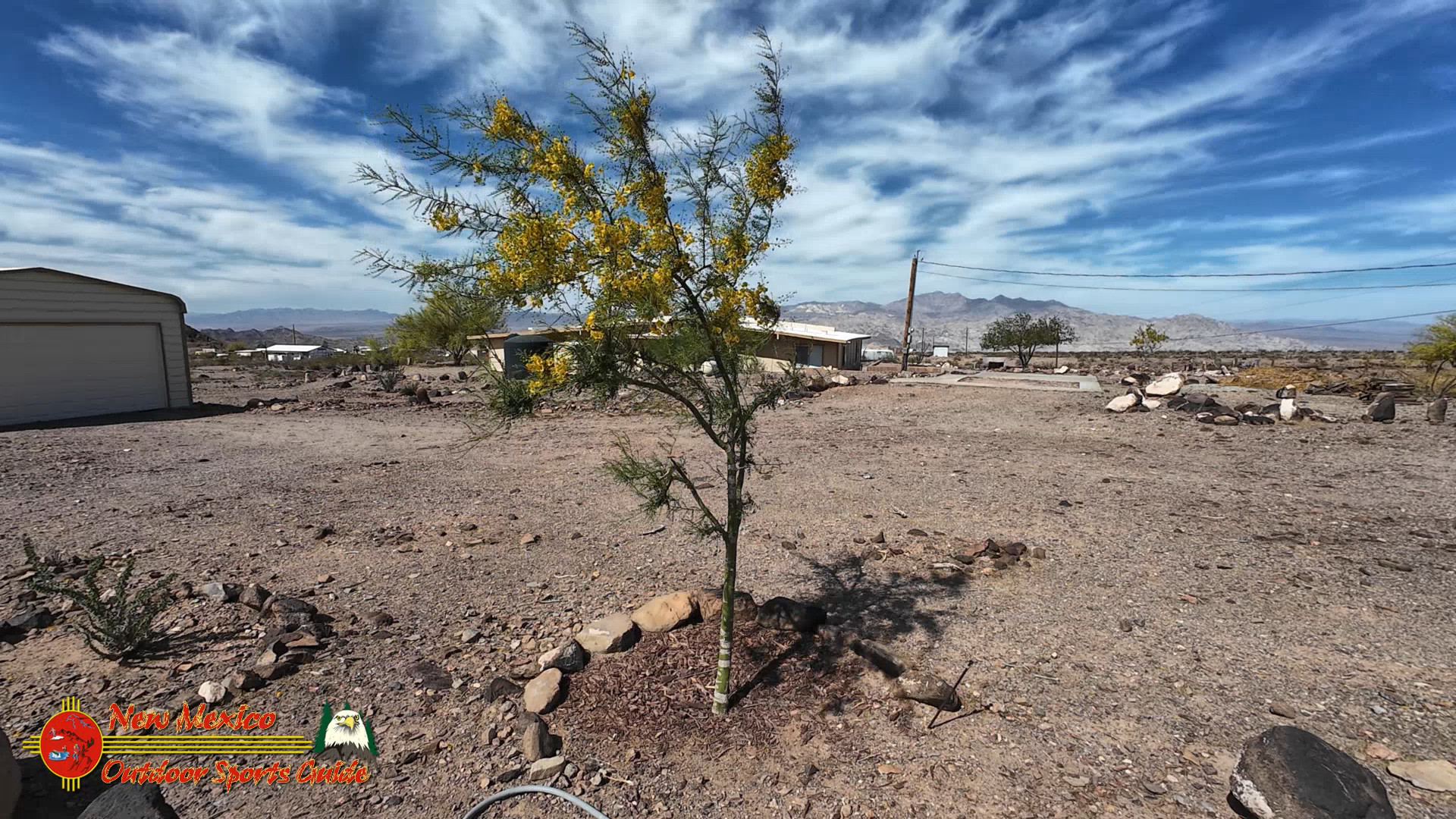
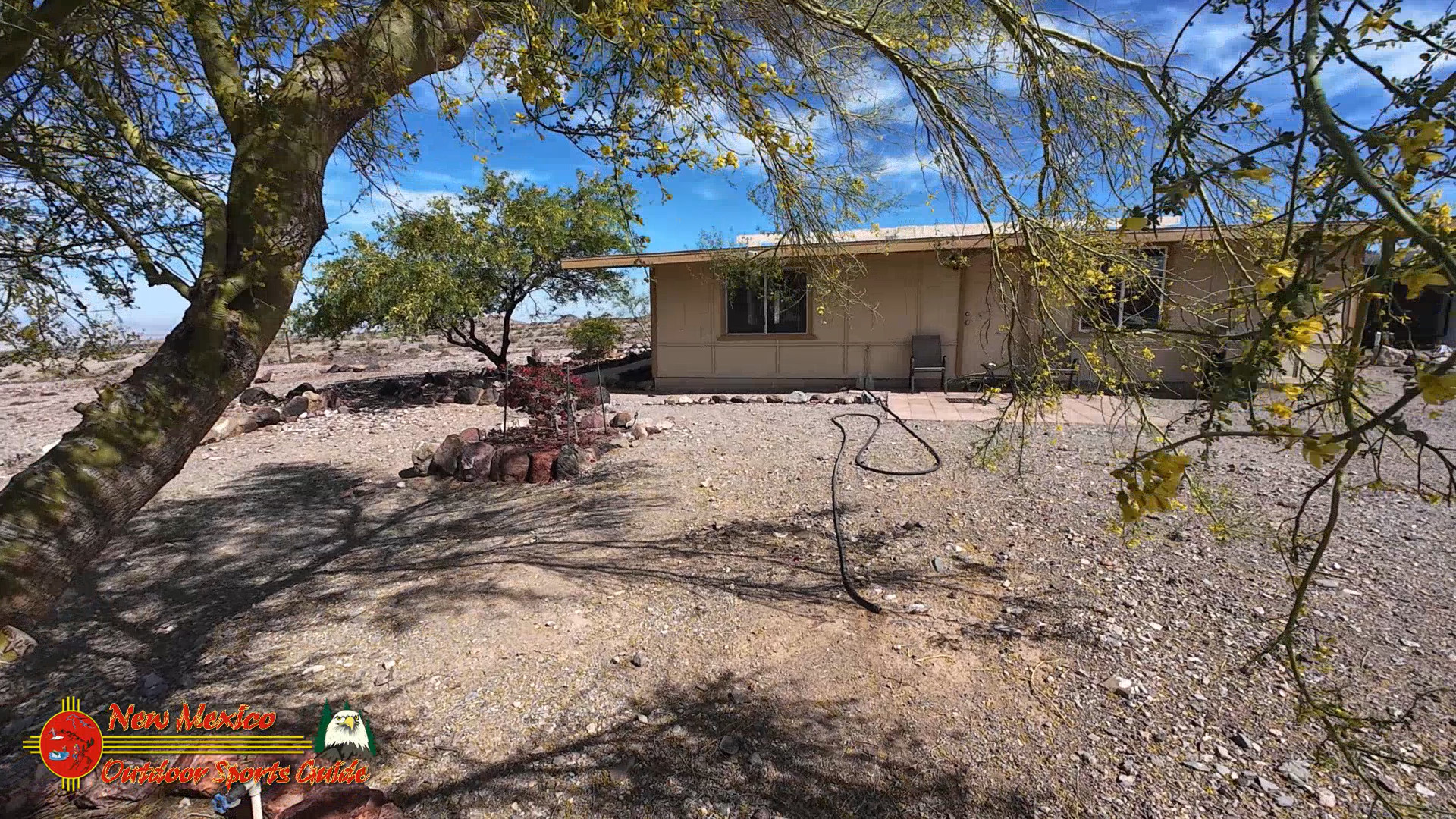
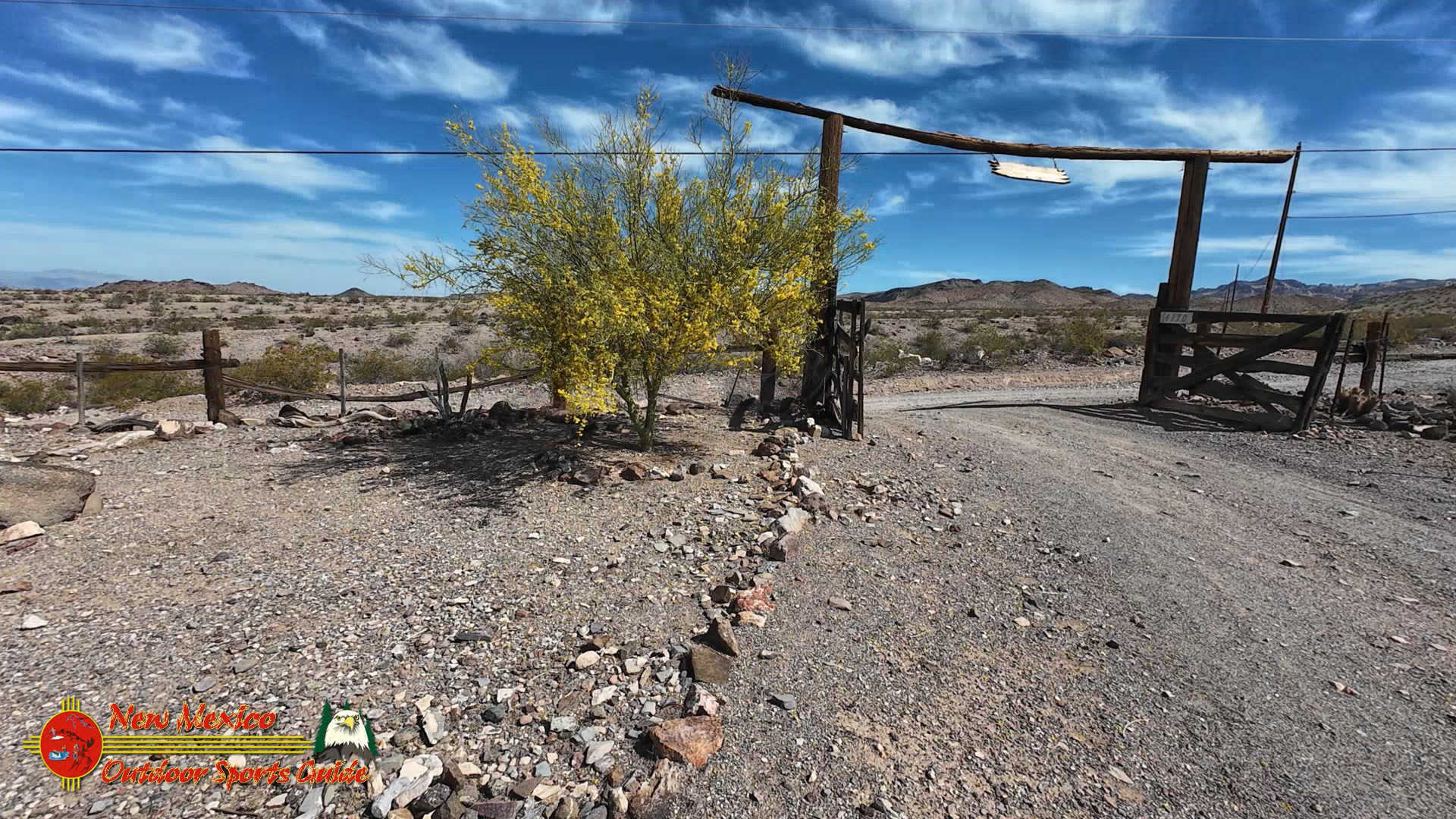
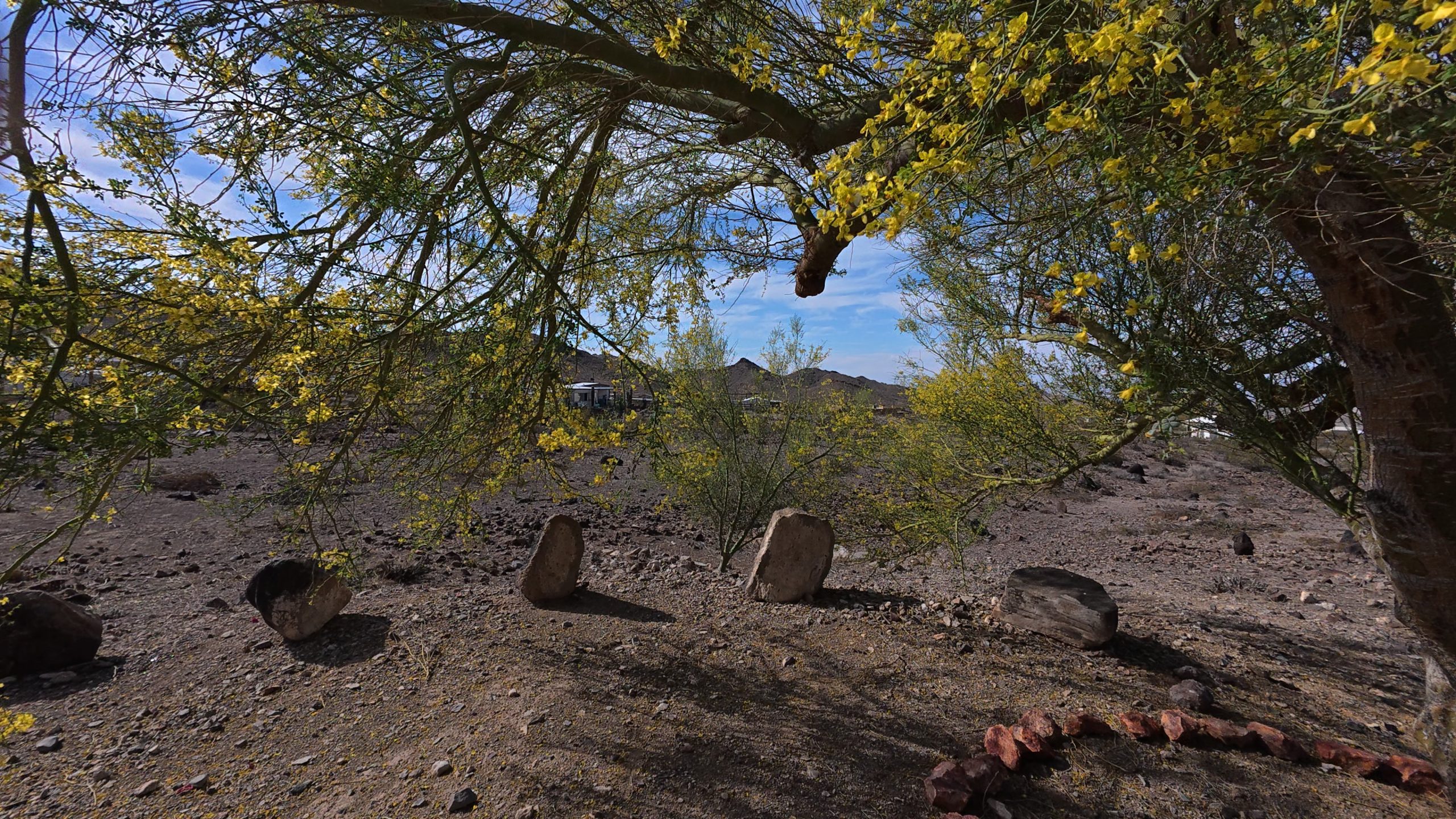
If you've never seen a Palo Verde tree in full bloom, you're missing one of the Southwest's finest offerings. These remarkable trees, with their green bark that photosynthesizes even when leafless during drought, erupt in a display of golden-yellow flowers each spring that can steal your breath away. The name "Palo Verde" means "green stick" in Spanish, aptly describing their unique green trunks and branches.
I arrived at my chosen spot just as the eastern sky began to lighten. Setting up my tripod was second nature after all these decades behind the lens. My fingers, a bit more gnarled than they once were but no less precise, adjusted settings on my camera as I waited for the perfect light.
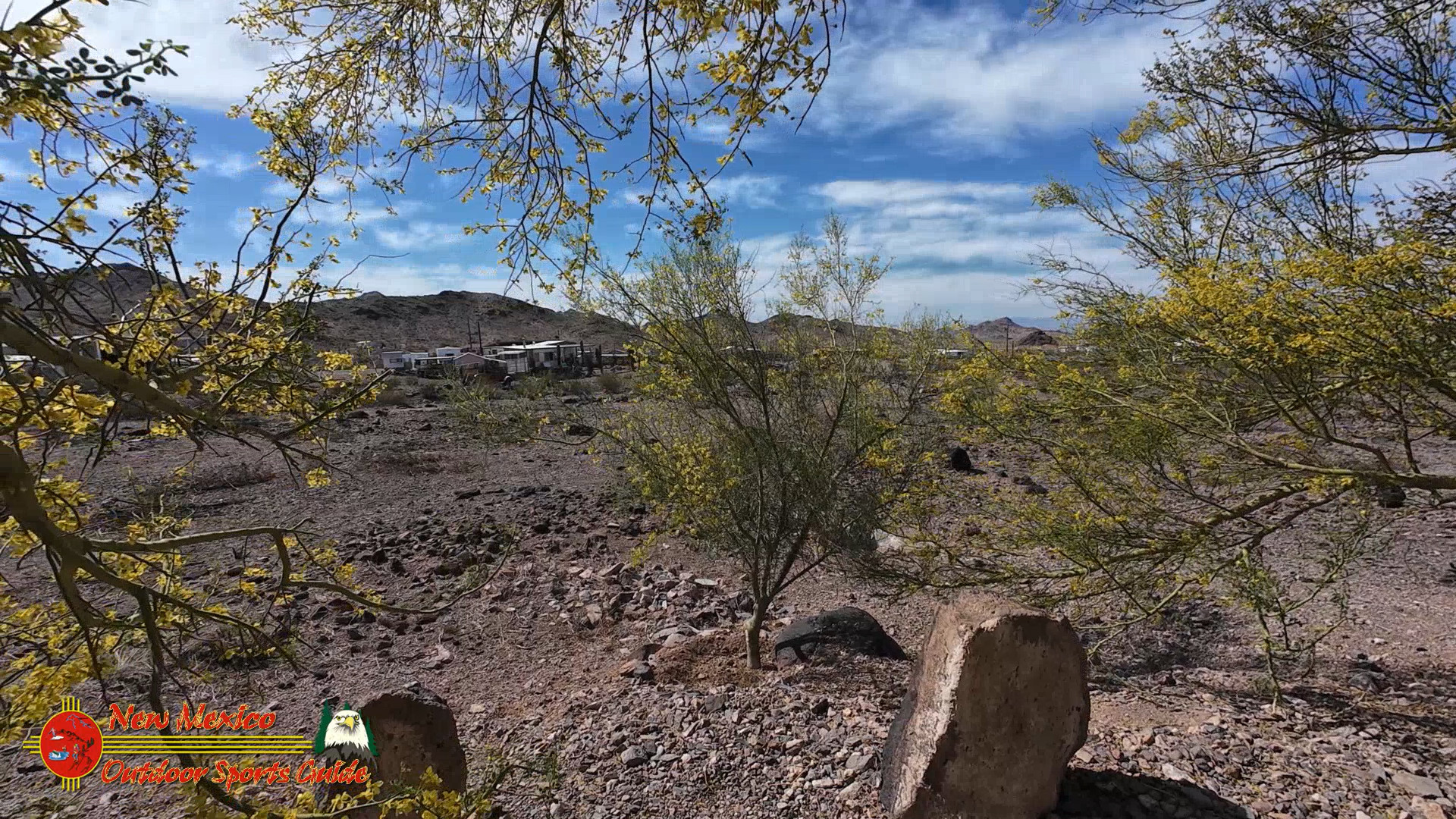
The wash below me held a small grove of Palo Verde trees, their silhouettes slowly becoming visible against the lightening sky. As the sun crested the distant mountains, the first rays caught the yellow blossoms, igniting them like thousands of tiny flames. Through my viewfinder, I watched as the world transformed. The Palo Verdes seemed to capture sunlight itself, becoming luminous beacons against the still-shadowed desert floor.
I've filmed mountain snowstorms from our deck in Angel Fire, captured the turquoise waters of Eagle Nest Lake at sunset, and documented countless New Mexico skies ablaze with color, but there's something uniquely moving about these desert trees. Their adaptation—thriving where little else can—reminds me of the pioneers who first settled these harsh lands. Including, in some ways, Paulette and myself in our later years, finding beauty where others might only see desolation.
Through my telephoto lens, I focused on a branch heavy with blossoms, where a tiny Costa's hummingbird hovered, its purple gorget flashing iridescent in the morning light. Click. A moment preserved forever.
Mesquite: The Desert's Provider
Mesquites are the workhorses of the Sonoran Desert—not as flashy as the Palo Verdes perhaps, but no less fascinating to this old ranch boy from Kansas.
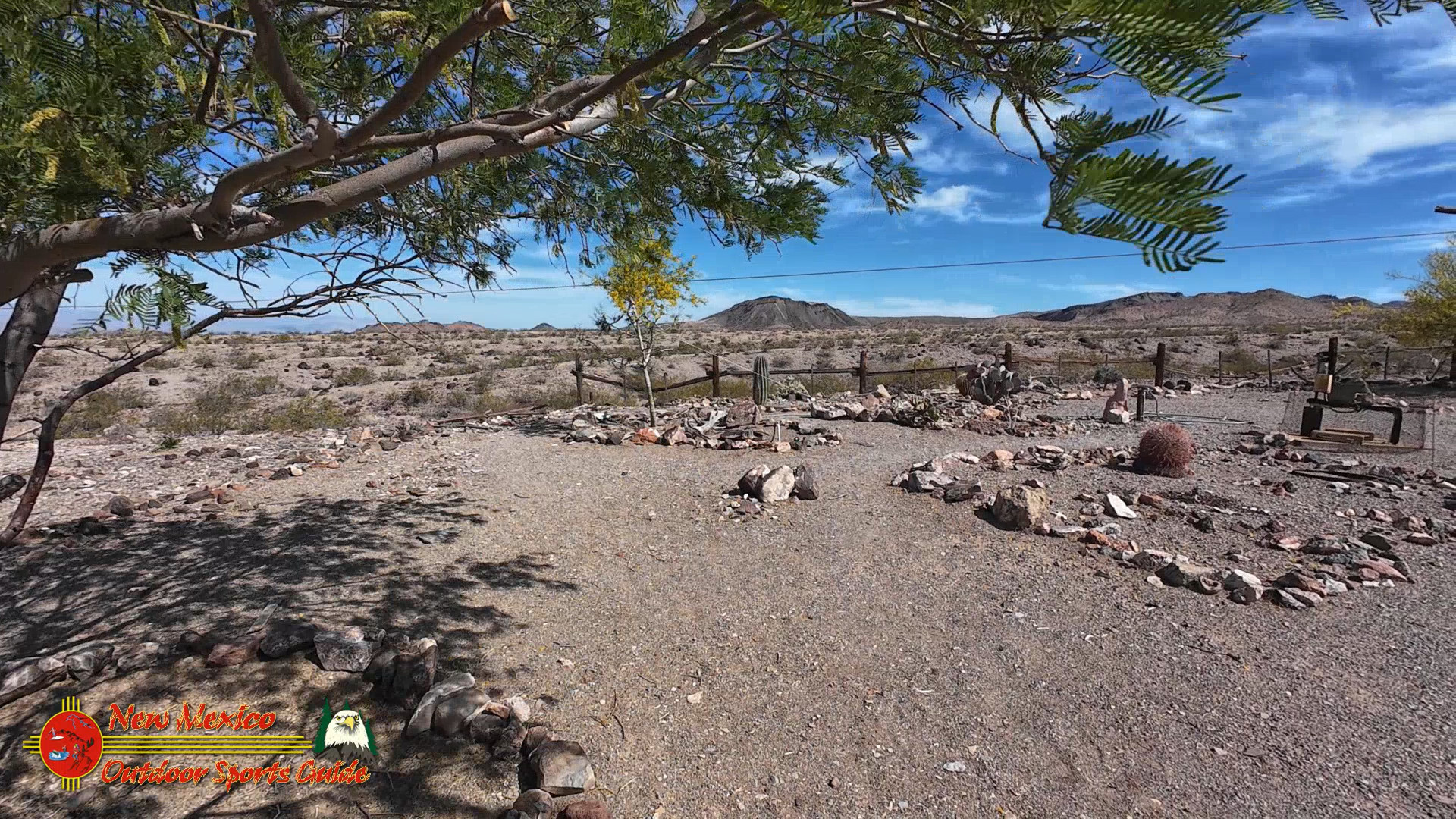
These trees put down roots that can reach more than 160 feet deep in search of water, making them the ultimate survivors. Their bright green, feathery foliage offers welcome shade, while their fragrant cream-colored flower spikes attract countless pollinators. Later, they'll produce bean pods that have sustained desert dwellers—human and animal alike—for millennia.
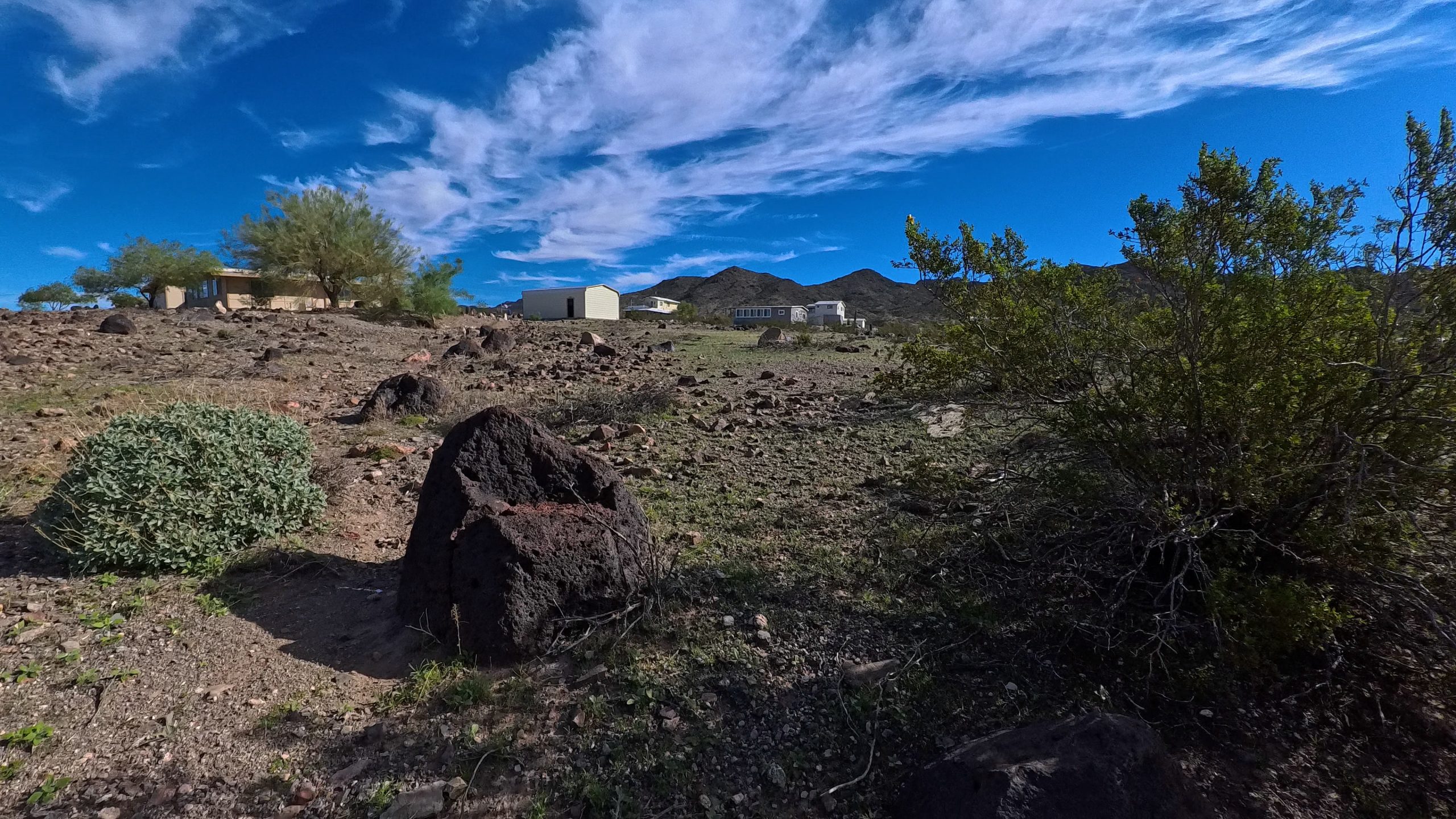
I set up near a particularly grand old mesquite, its gnarled trunk telling stories of droughts survived and flash floods endured. Around its base, a carpet of wildflowers had sprung up, taking advantage of the scant shade. As I adjusted my camera settings, I recalled how different this was from the tall bluestem and Indian grass of my Flint Hills youth. Yet there was a similar resilience here—life finding a way against considerable odds.
A family of Gambel's quail scurried through the underbrush, the male's topknot bobbing comically as he led his brood to safety. I chuckled, thinking how Paulette would love this scene.
The Fiery Embrace of Fairy Dusters and Birds of Paradise
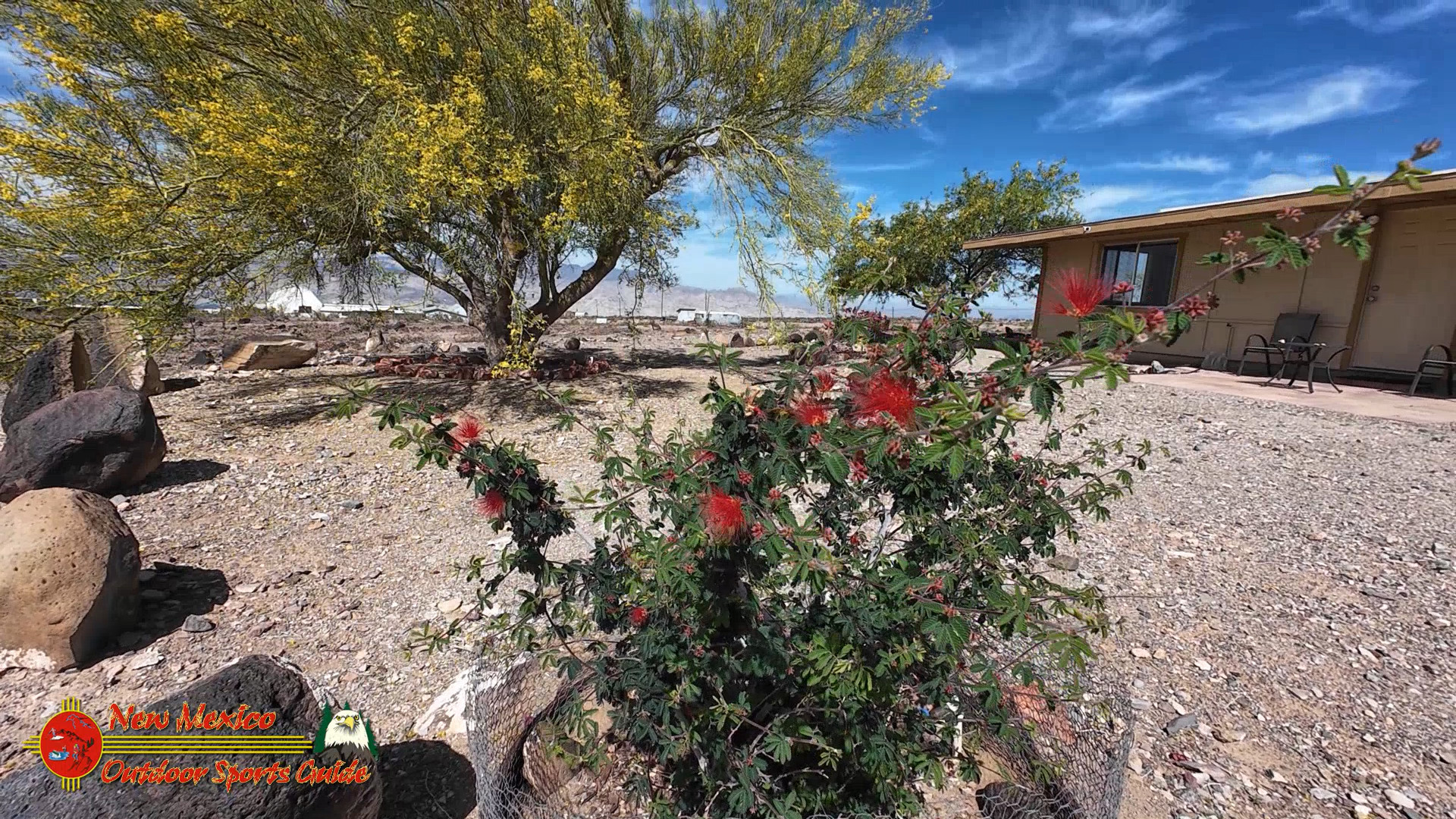
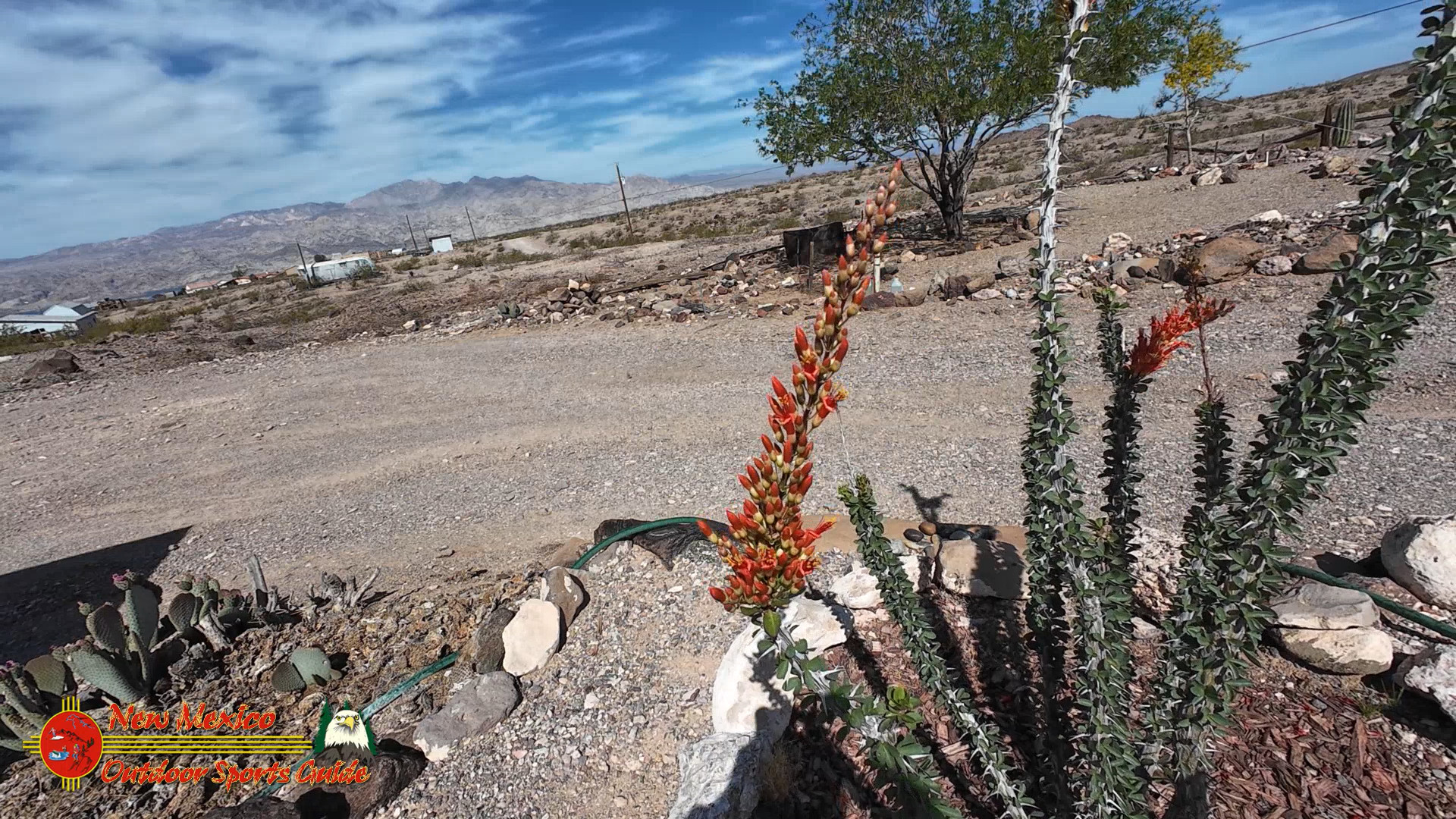
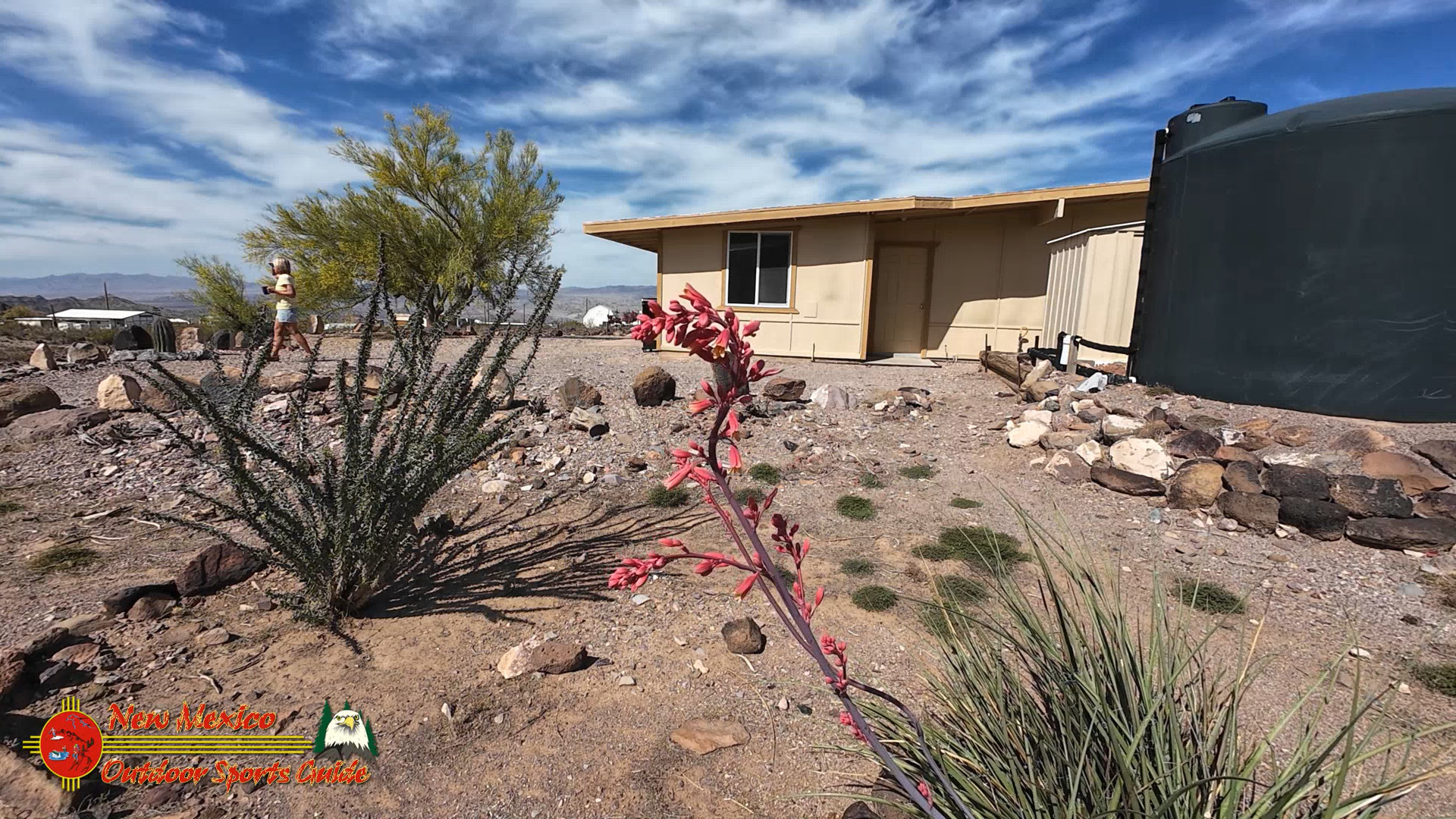
By mid-morning, the desert had fully awakened. I moved on to a Baja fairy dusters beginning to bloom last week. These delicate shrubs produce the most extraordinary crimson flowers—spherical "pom-poms" that seem almost artificial in their perfection.
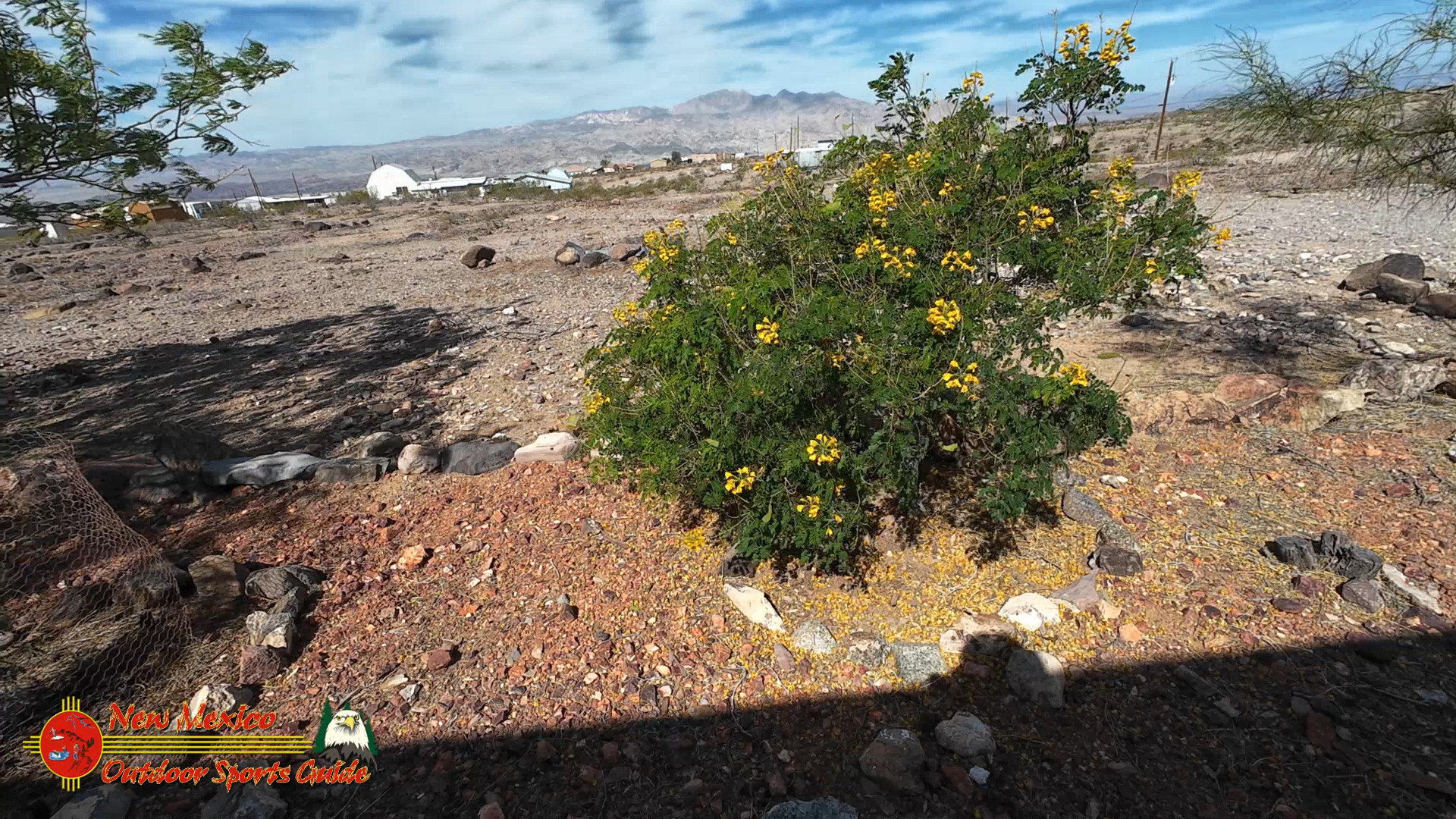
Nearby, Mexican birds of paradise shrubs were also beginning their seasonal display. Despite the similar name, these aren't related to the tropical plants most people think of as birds of paradise. These desert versions produce spectacular orange and red blossoms that seem to flame against their green foliage. The contrast against the blue desert sky makes them an irresistible subject for my camera.
I spent nearly an hour photographing a particularly striking bird of paradise. As a young man working my family's ranch, I never imagined I'd one day be so captivated by plants. But there's something about the way these desert species have adapted to survive—transforming harshness into beauty—that resonates with me deeply now, in my ninth decade.
The light was becoming harsh as noon approached. There was a tree cholla I wanted to check on—their spring bloom would be starting soon.
The Defiant Beauty of Tree Cholla
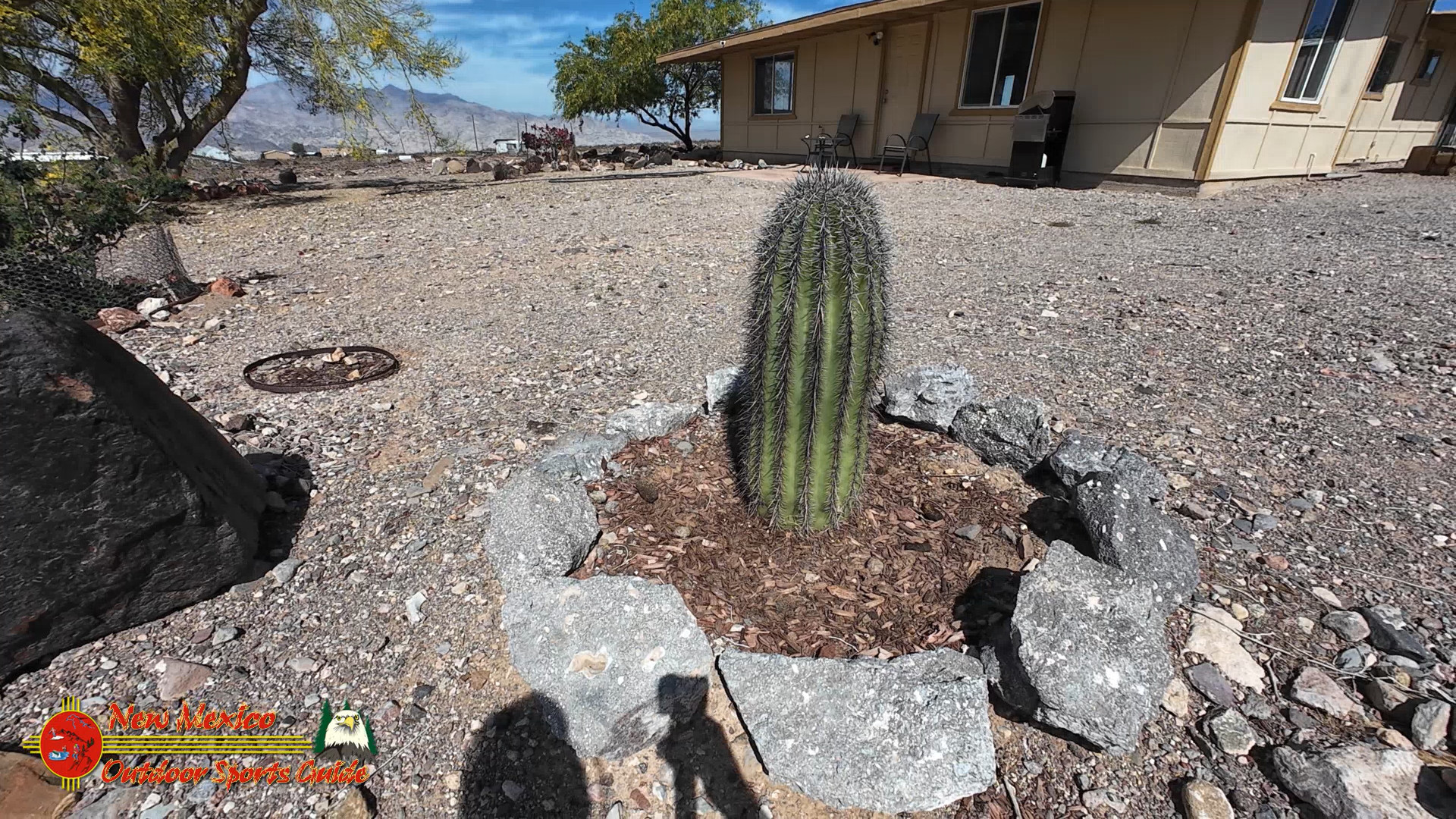
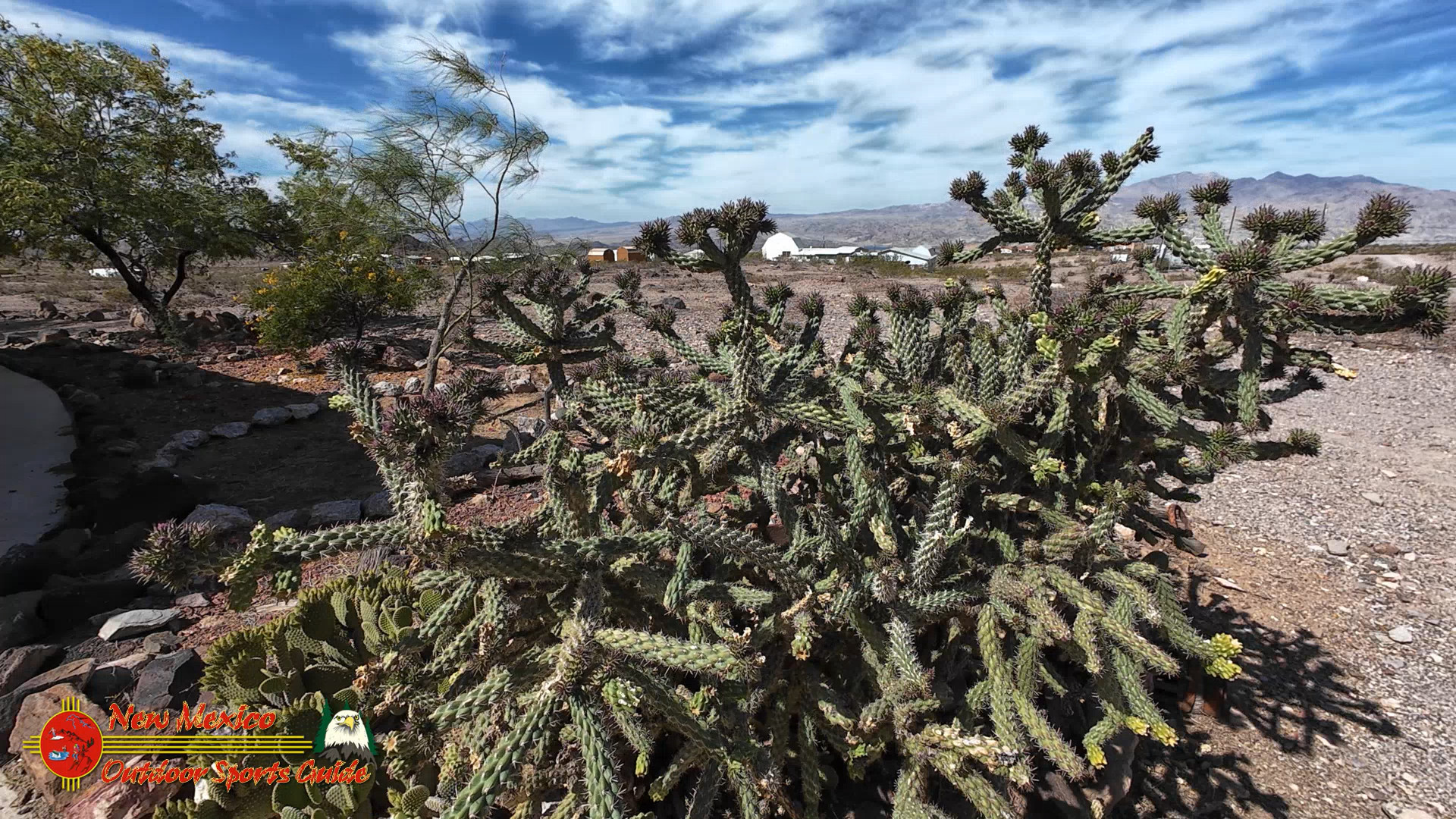
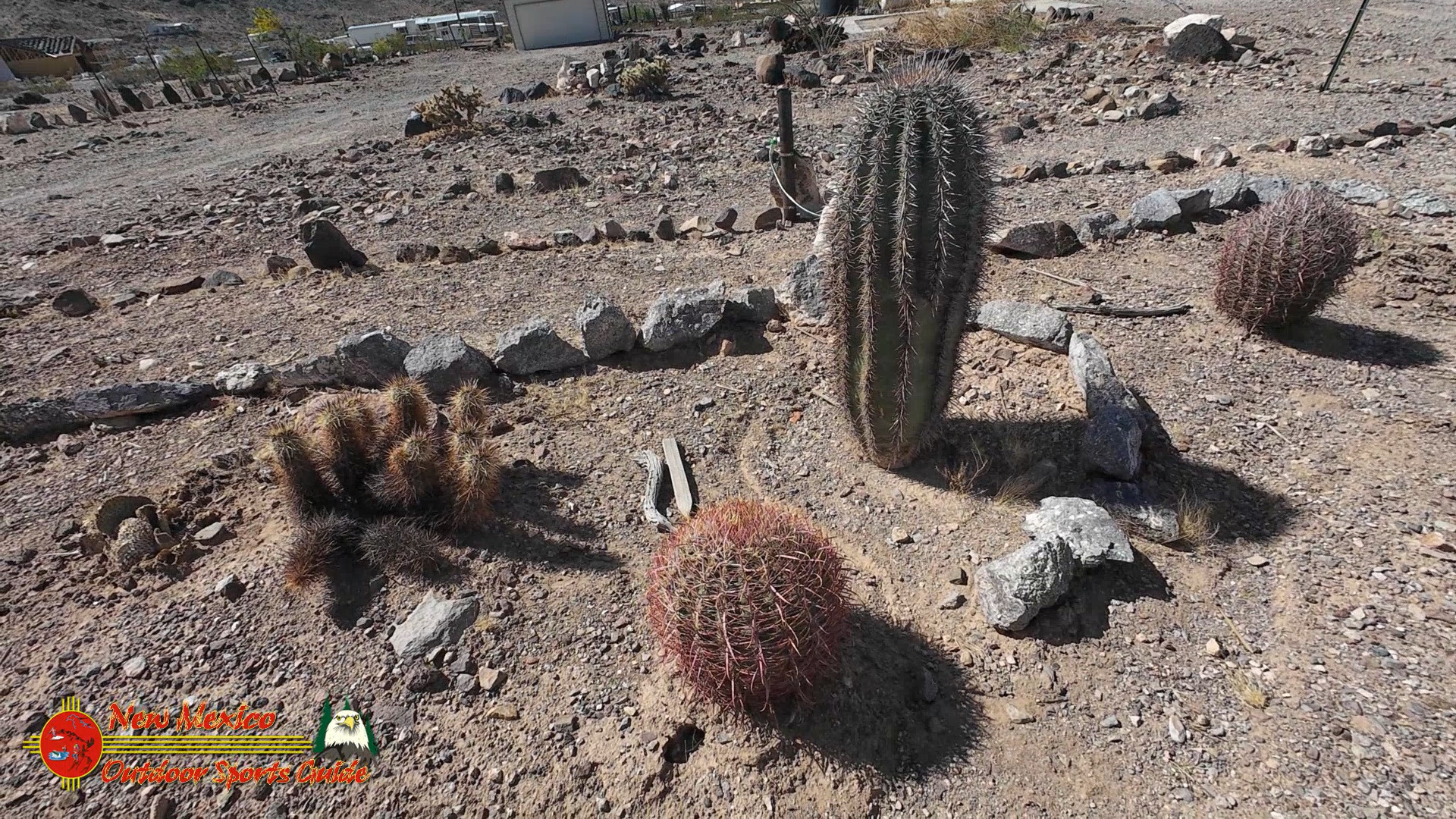
Tree cholla cactus might be my favorite desert plant to photograph. Standing sometimes eight feet tall, these branching cacti look almost alien against the landscape—sentinels watching over the desert with their cylindrical, spine-covered arms reaching skyward.
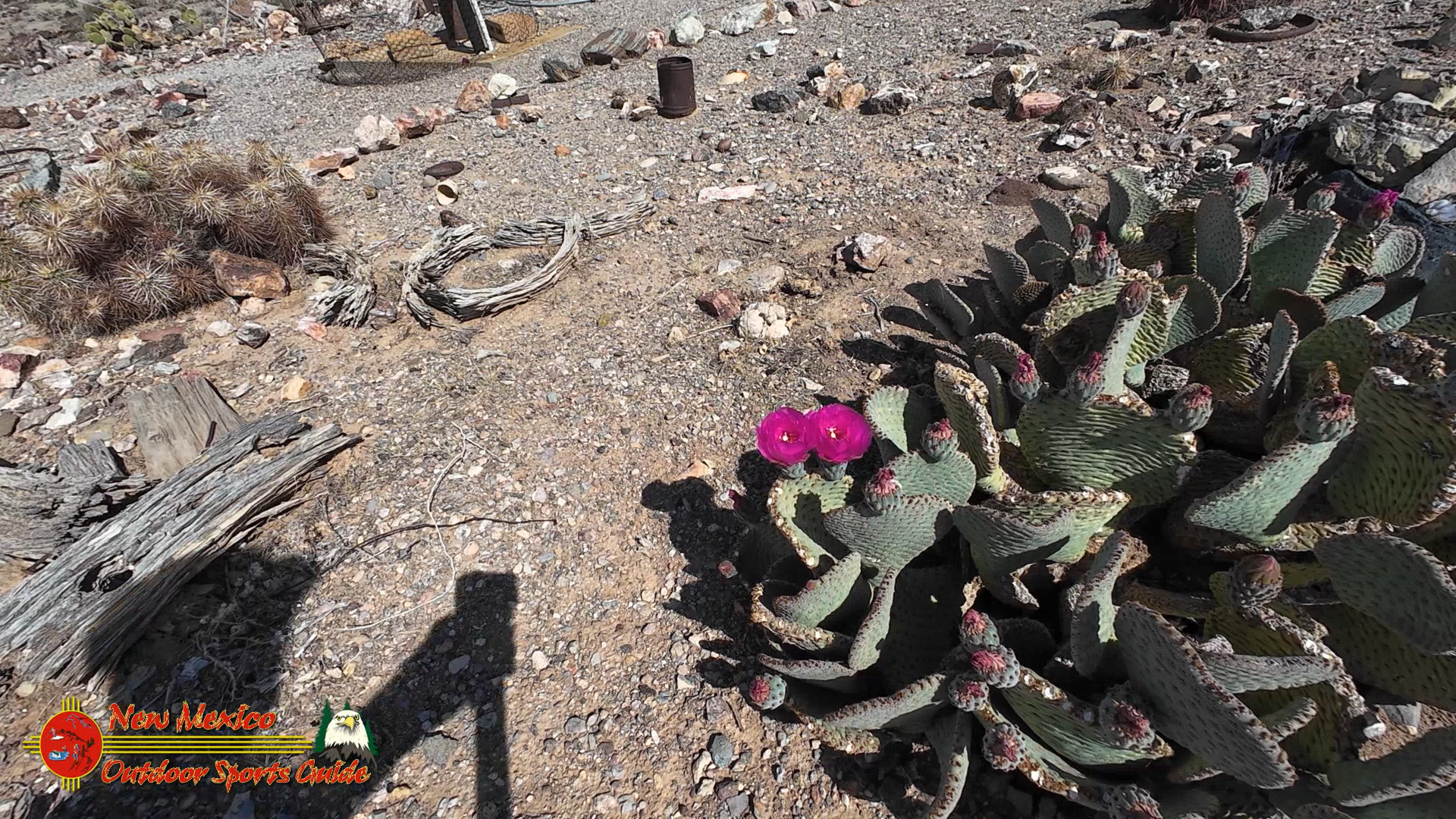
When blooming, they crown themselves with rings of vibrant pink or magenta flowers that seem impossibly delicate emerging from such formidable plants. It's this juxtaposition that makes the Sonoran Desert so compelling to me as a photographer—the interplay of harshness and incredible beauty, often existing within the same plant.
The tree cholla I'd come to check were indeed beginning to bud. A few early flowers had opened, their silky petals catching the light.
As I looked toward Lake Mohave, I reflected on my journey from Kansas rancher's son to desert photographer. The vast skies remain the same, but everything else has transformed. I've traded tallgrass prairie for saguaro silhouettes, cattle drives for camera drives. Yet the core remains unchanged—a deep connection to the land and a desire to capture its essence through my lens.
Capturing the Desert: A Videographer's Challenge
Back at our winter home, I downloaded the morning's images onto my computer, eager to see what I'd captured. Paulette peered over my shoulder as I scrolled through the shots, her artist's eye catching details even mine sometimes misses.
"That one," she said, pointing to a close-up of the Palo Verde blossoms backlit by the morning sun. "That shows exactly what you were talking about at dinner last night—how the desert glows from within during spring."
She was right, of course. After forty years together, she's developed an uncanny ability to identify precisely which image best captures what my heart sees.
As a videographer as well as a photographer, I've been working on a time-lapse project this season—documenting the progression of the Sonoran Desert bloom from the first tentative wildflowers to the grand finale of saguaro blossoms in late spring. It's challenging work, requiring repeated visits to the same locations, meticulous attention to framing and lighting, and considerable patience.
But at eighty-plus years, patience is something I've accumulated in abundance. The younger Pat from the Kansas Flint Hills might have rushed from shot to shot, eager to capture everything at once. This older version knows the value of waiting for the perfect moment, of returning day after day to understand how light plays across the landscape at different hours.
That evening, as the setting sun painted the desert in warm hues of orange and pink, Paulette and I sat on our patio. In the distance, a coyote called—a lonely, wavering howl that somehow perfectly expressed the wild beauty surrounding us.
"Different from Eagle Nest Lake at sunset, isn't it?" Paulette mused, referring to the spectacular view from our log home in Angel Fire.
"Different, but equally moving," I replied. "That's the thing about this country—it offers so many kinds of beauty if you're willing to look."
The Desert's Seasonal Rhythm
Living between such different landscapes—the alpine grandeur of our New Mexico mountain home and the stark beauty of the Sonoran Desert—has given me a unique perspective on nature's cycles. In Angel Fire, the seasons announce themselves dramatically—winter's heavy snows giving way to spring's vibrant green, summer's wildflower explosion, and fall's aspen gold.
Here in the Sonoran Desert, the transitions are subtler but no less magnificent. The spring bloom progresses in waves—different species taking their turn in the spotlight, from the early brittlebush with its sunny yellow flowers to the later saguaros crowning themselves with waxy white blooms.
As photographers, we learn to read these rhythms, to anticipate when each species will have its moment. It becomes a dance between artist and subject, with nature always leading.
Tomorrow I plan to focus on the smaller players in this grand performance—the desert marigolds carpeting the washes, the delicate desert lupines adding splashes of purple to the landscape, the tiny desert stars barely visible unless you know where to look.
A Legacy Captured Through the Lens
Sometimes I wonder what my father would think of my life now. He was a practical man, devoted to our Kansas ranch, somewhat bemused by my early interest in photography. "Pictures don't feed cattle," he used to say, though he never discouraged my hobby.
I like to think he'd understand now, seeing how I've used my camera to document the changing American Southwest, creating a visual legacy of landscapes that are themselves changing due to development and climate shifts. Some of my early photographs of the Moreno Valley already show a different world than what exists today.
In my online gallery, I've organized my desert photographs by season and species, creating what amounts to a visual encyclopedia of the Sonoran Desert bloom. The section on "Sonoran Desert landscape trees and cactus" has become particularly popular among both fellow photography enthusiasts and people planning visits to the region.
There's satisfaction in knowing that long after I'm gone, these images will remain—showing future generations what the desert looked like in the early decades of the 21st century, when an old man from Kansas fell in love with its harsh beauty and spent his winters documenting its spectacular transformation each spring.
The Unseen Desert
What fascinates me most about photographing the Sonoran Desert is capturing what most casual observers miss. The tourist passing through might notice the dramatic saguaros or the blankets of spring wildflowers, but they often overlook the subtle interactions, the microscopic dramas playing out in this seemingly harsh environment.
My macro lens reveals worlds within worlds—the tiny insects pollinating the Palo Verde blossoms, the intricate patterns in the bark of an ancient mesquite, the perfect symmetry of a cactus flower about to unfurl.
Yesterday, I spent an hour photographing a single Baja fairy duster as various pollinators visited its crimson blooms. In the resulting images, you can see the delicate legs of native bees covered in pollen, the translucent wings of hovering flies, even a tiny cactus bee sleeping inside a closed blossom as evening approached.
These are the details that tell the true story of the desert—not just its visual splendor, but its complex ecological web of relationships, each species dependent on others in ways we're only beginning to fully understand.
Changing Light, Changing Desert
As any photographer knows, light is everything. Nowhere is this more true than in the desert, where the quality of light transforms the landscape hour by hour, revealing different aspects of its character.
The early morning light brings out the delicate pastels—the soft pinks of fairy duster blooms, the creamy tones of mesquite flowers. Midday light, harsh and direct, emphasizes textures—the rough bark of the Palo Verde, the formidable spines of the cholla. Evening light bathes everything in warm gold, making the whole desert glow as if illuminated from within.
I've photographed the same stand of Palo Verde trees at different times of day throughout their blooming period, creating a series that shows not just the progression of the bloom but the way changing light affects our perception of color and form.
This attention to light is something I learned back in Kansas, watching how the sun played across the tallgrass prairie, how a certain slant of light could turn ordinary grass into a sea of gold. The lesson has served me well in capturing the essence of very different landscapes throughout the Southwest.
Finding Home in Multiple Landscapes
At this stage of life, I find myself equally at home in seemingly opposite environments—our mountain retreat near Angel Fire with its expansive views of Wheeler Peak and Eagle Nest Lake, and our winter haven near Lake Mohave with its desert panoramas. Each feeds a different part of my soul; each provides unique photographic opportunities.
In the mountains, I'm drawn to the grandeur, the sweeping vistas, the dramatic weather events. In the desert, it's often the intimate details that catch my eye—a perfect Palo Verde blossom against the blue sky, the way light plays through the spines of a cholla at sunset.
Paulette jokes that I'm happiest when I have a camera in my hand, regardless of the landscape. There's truth in that. The viewfinder has become my way of truly seeing the world, of focusing—literally and figuratively—on what matters most.
As we prepare to wrap up another winter season in the desert and head back to our New Mexico mountains, I'm grateful for this dual existence, for the privilege of experiencing such different natural worlds and capturing their beauty through my lens.
The Sonoran Desert has taught me that beauty exists everywhere if we train our eyes to see it—even in places that might initially appear harsh or forbidding. It's a lesson I try to share through my photography and videos, inviting viewers to look more closely at the world around them, to find wonder in both the grand vista and the tiny blossom.
Tonight, as the desert sky fills with stars, I'll pack away my gear and prepare for tomorrow's expedition. The Palo Verdes are reaching peak bloom, the mesquites are not far behind, and somewhere out there, a perfect frame awaits—another moment of desert magic ready to be captured and shared.
For this old Kansas boy who found his way to the Southwest, there could be no greater joy.
0 Comments