
Out where a friend is a friend, where the West is still wild... Gene Autry's voice echoes in my memory as I fire up the Yamaha Rhino, that familiar rumble promising another day of exploration in this magnificent desert country. Funny how those old cowboy songs from my cattle-driving days in the Kansas Flint Hills still surface when I'm about to head into the backcountry—though these days, my mount has four wheels instead of four legs, and the trails wind through sun-scorched Arizona desert rather than tallgrass prairie.
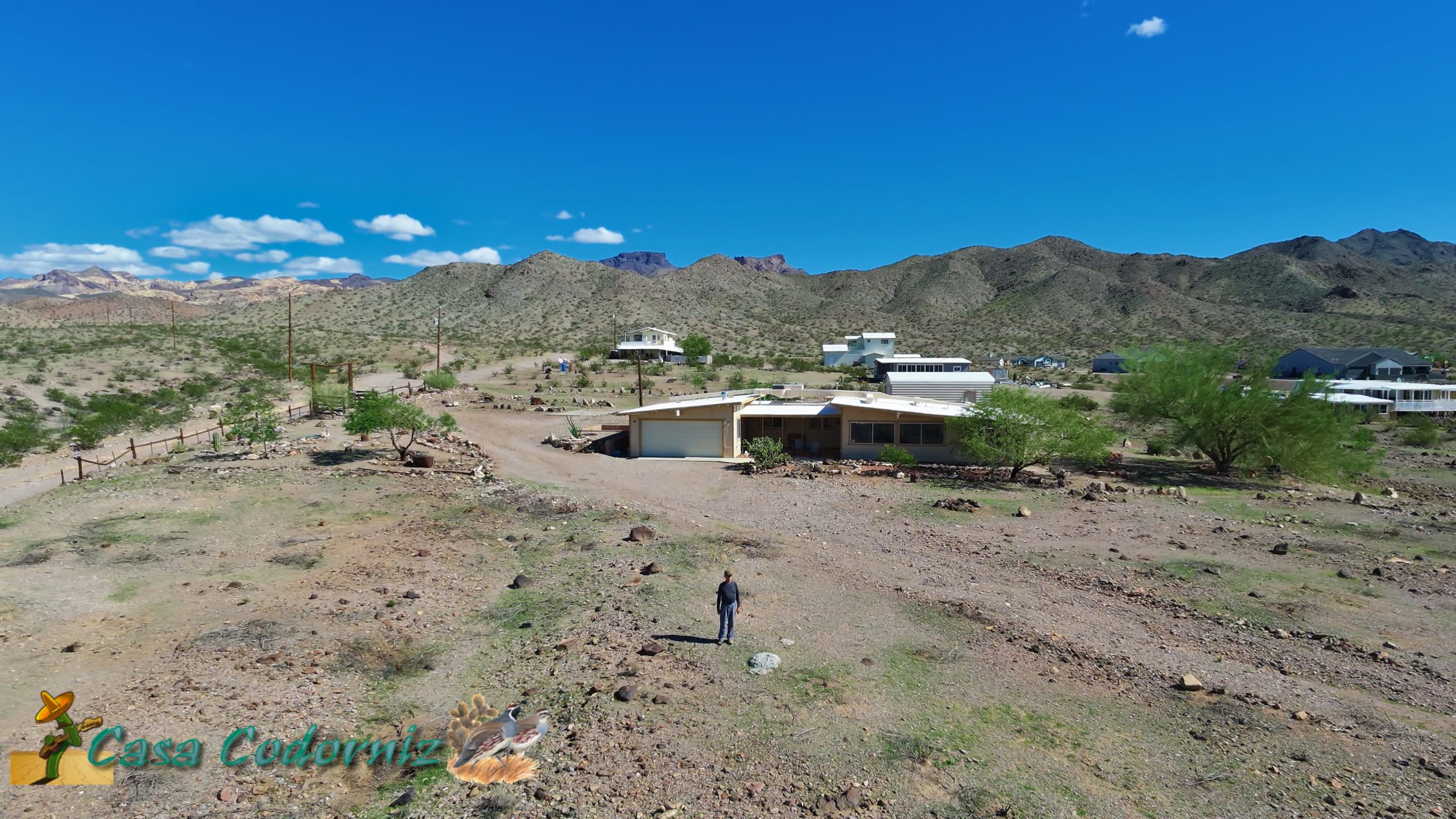
It's been a week since Paulette and I returned to Casa Codorniz for another winter season at Lake Mohave. The well pump decided to welcome us home by giving up the ghost—because nothing says "retirement" quite like emergency plumbing repairs—but that's finally sorted. Now, with the Rhino purring like a content mountain lion and the afternoon sun painting the Black Mountains in shades of amber and rust, there's only one question worth asking.
"Want to take a ride up to the Tyro Mine?" I call to Paulette.
Her answer, as always, is yes. After more than forty years together, from our mountaintop log cabin days at Angel Fire to our current split between Santa Fe summers and Lake Mohave winters, she's still my most trusted trail partner.
The Call of the Desert Trails
The afternoon temperature hovers in the mid-eighties—perfect weather for UTV trail riding in Arizona. Not too hot, not too cool, and the sun's position promises spectacular lighting for the video footage I plan to capture. I've got my action camera mounted to the roll bar, ready to record the journey to one of my favorite overlooks in the entire Black Mountains range.
For those unfamiliar with the distinction, let me take a moment to explain the difference between UTVs and ATVs—it's more than just alphabet soup. An ATV (All-Terrain Vehicle) is what most folks picture when they think of four-wheelers: a single-rider vehicle where you sit astride like a motorcycle, using handlebars for steering. They're nimble, sure-footed on tight trails, and perfect for solo adventures.
A UTV (Utility Task Vehicle), on the other hand, is what we're riding today—our trusty Yamaha Rhino. Think of it as a small, purpose-built off-road vehicle with side-by-side seating, a steering wheel, and a roll cage. You sit in it rather than on it, which makes it ideal for couples or when you're hauling gear. The Rhino has served us faithfully through countless desert expeditions, its solid construction and reliable engine making it the perfect partner for exploring the rugged terrain around the Tyro Mine and beyond.
The Yamaha Rhino strikes a beautiful balance between capability and comfort. With its 440cc engine, it has enough power to tackle the steep, rocky climbs we'll face today, but it's not so overpowered that it becomes difficult to control on technical sections. The side-by-side configuration means Paulette and I can ride together, share the experience, point out wildlife or interesting rock formations without shouting over engine noise. At my age—well into my eighties now—I appreciate the stability and safety features that a good UTV provides.
Safe Desert Riding: Lessons from a Lifetime Outdoors
Before we roll out, let me share some thoughts on safe UTV and ATV riding in Arizona, gleaned from decades of outdoor pursuits—from flying small aircraft across the country to navigating construction sites to spending countless hours on backcountry trails. The desert might look forgiving under that brilliant blue sky, but it demands respect.
First and foremost: always wear your seatbelt in a UTV and proper safety gear on an ATV. I learned about safety protocols during my aviation years—we called it "pre-flight checks" in the cockpit—and the same disciplined approach applies to off-road vehicles. Helmet, eye protection, long sleeves, boots, gloves. The desert is beautiful, but it's also full of thorns, sharp rocks, and the occasional disagreement with gravity.
Know your machine. I spent years as a mechanic's helper at Hull Airport, and that experience taught me that understanding your equipment isn't just smart—it's essential. Know your UTV or ATV's capabilities and limitations. The Rhino handles differently than an ATV; it has a higher center of gravity, which means you need to be mindful on steep side slopes. Take corners at appropriate speeds, keep your weight distributed properly, and never, ever get cocky.
Carry emergency supplies. Water—lots of it. First aid kit. Basic tools. A charged cell phone, though service out here is spotty at best. A GPS or good maps. Fire starter. Extra food. I learned this lesson on Kansas ranches: hope for the best, prepare for the worst. The desert is even less forgiving than the Flint Hills.
Tell someone where you're going and when you expect to return. Paulette and I follow this religiously. If we don't make it back, at least search parties will have a starting point.
Watch for wildlife, especially snakes. Rattlesnakes are active in the warmer months, and with my old eyes, I'm extra cautious about where I step when we stop for photos or to explore. I like to be back before dark for this very reason—stumbling around in rattlesnake country after sunset is a young person's game, and I'm no longer young.
Respect the land. Stay on established trails to minimize environmental impact. The desert ecosystem is more fragile than it appears, and those tire tracks you leave can last for decades. I've spent years documenting the wilderness and wildlife of the American Southwest through my photography and video work for the New Mexico Outdoor Sports Guide—this landscape deserves our stewardship.
The Journey Begins
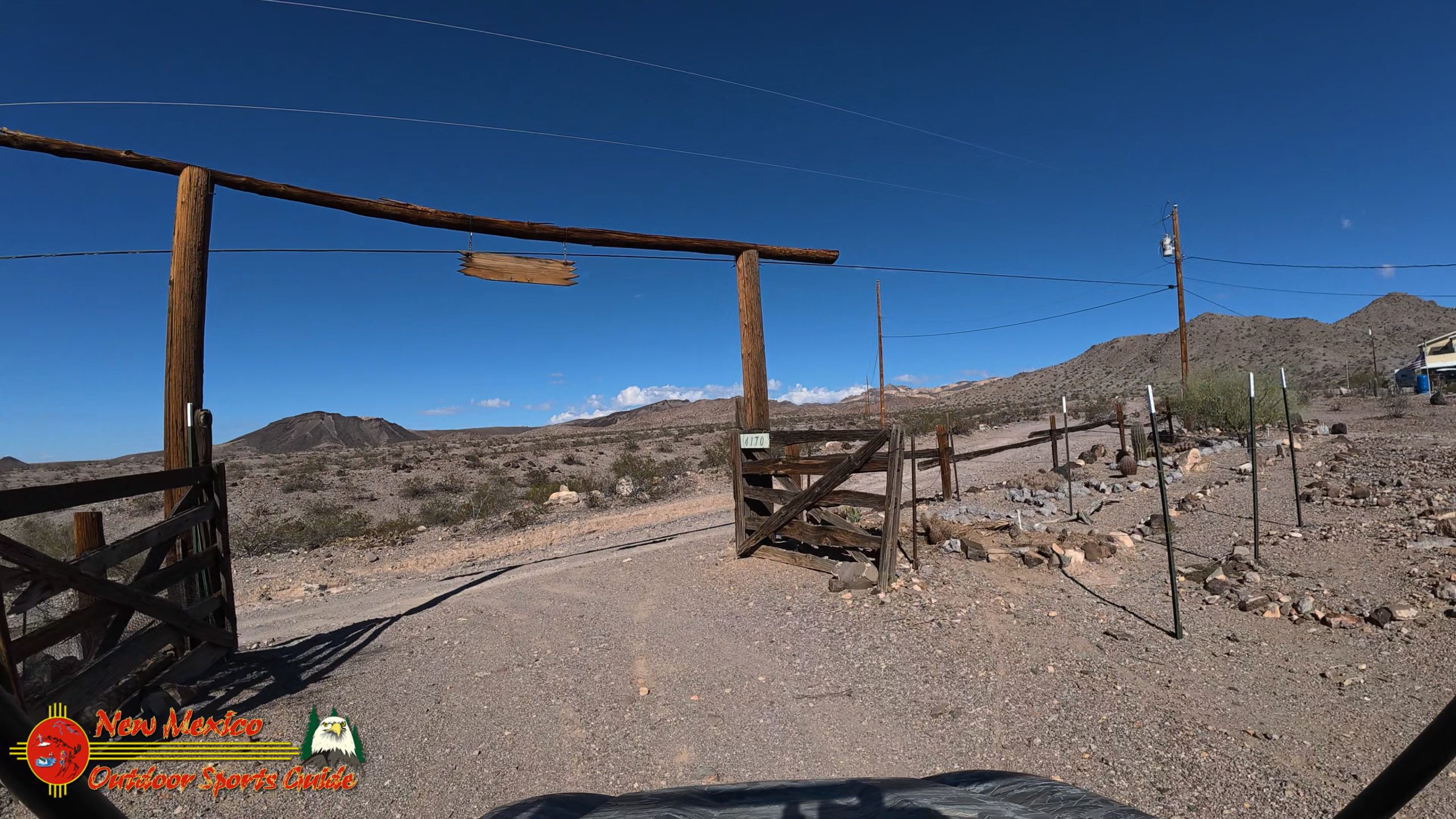
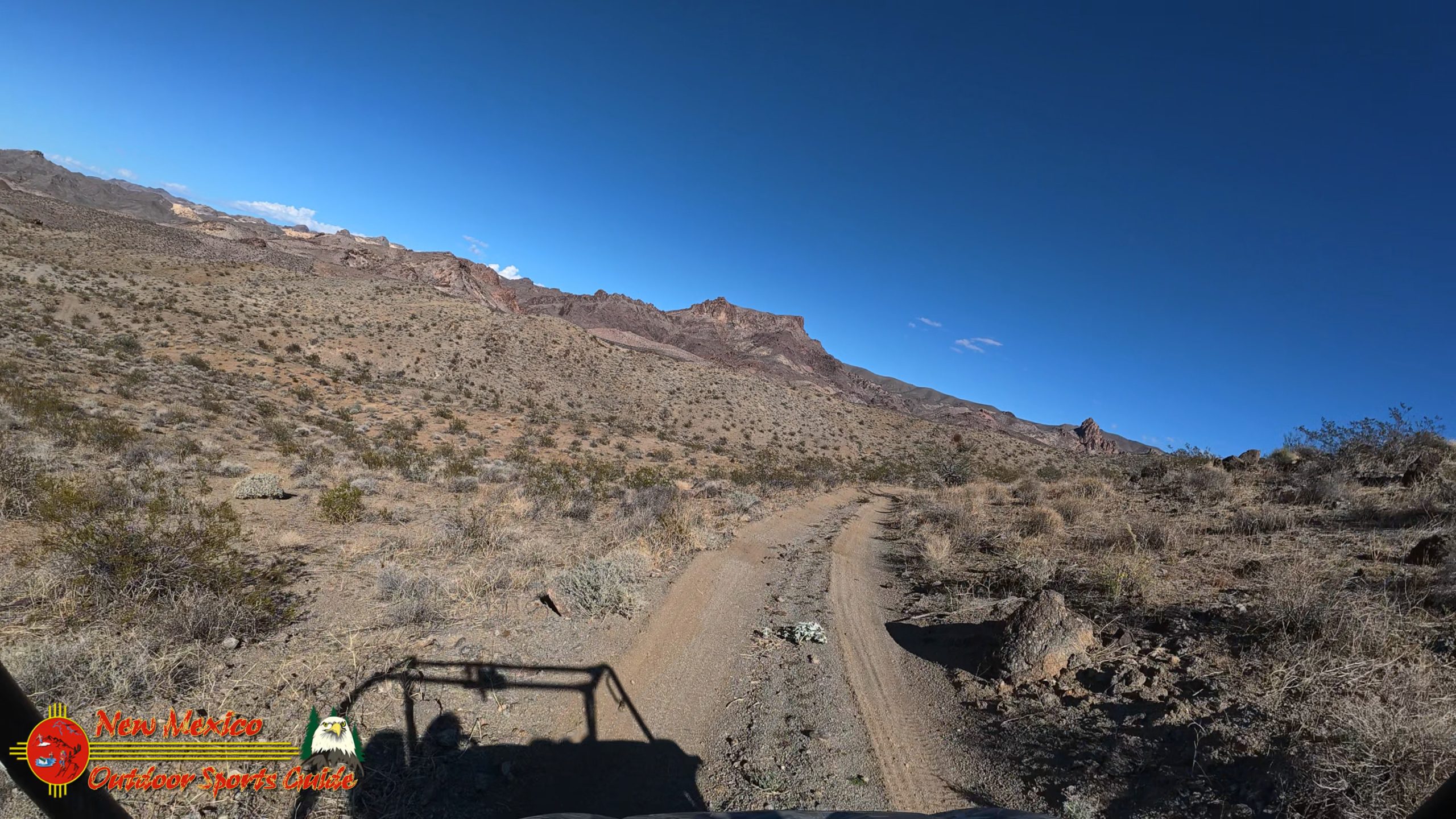
We head out from Casa Codorniz, pointing the Rhino south. The route I've chosen today is my favorite of several options for reaching the Tyro Mine overlook. It starts about a mile south of our place, where the trail begins its steep climb up to a ridge that runs parallel to the main Black Mountain range.
The Black Mountains themselves are a revelation for anyone accustomed to the green mountains of the East or even the pine-covered peaks of New Mexico. These are desert mountains, their faces exposed in layers of ancient volcanic rock, sedimentary formations, and mineral deposits that paint the slopes in every shade of brown, red, tan, and gold. They're young mountains by geological standards—part of the Basin and Range province that's been stretching and breaking apart for millions of years—and their bones show through their thin skin of desert vegetation.
As we climb, the Rhino's engine settles into a steady rhythm, and I'm reminded of those old days moving cattle on horseback. Different mount, different landscape, but the same sense of freedom, the same connection to something larger than yourself. The trail is technical here—loose rock, tight switchbacks, steep grades that require careful throttle control and good line selection. This is where the Rhino's low-range gearing and solid suspension earn their keep.
The action camera mounted to the roll bar captures every jostle and turn. The late afternoon sun is performing its daily magic, raking across the mountain faces at a low angle that brings out every detail, every color, every shadow. This is the golden hour that photographers live for, and I'm grateful to be here to witness it once again.
Ridge Running and Mountain Views
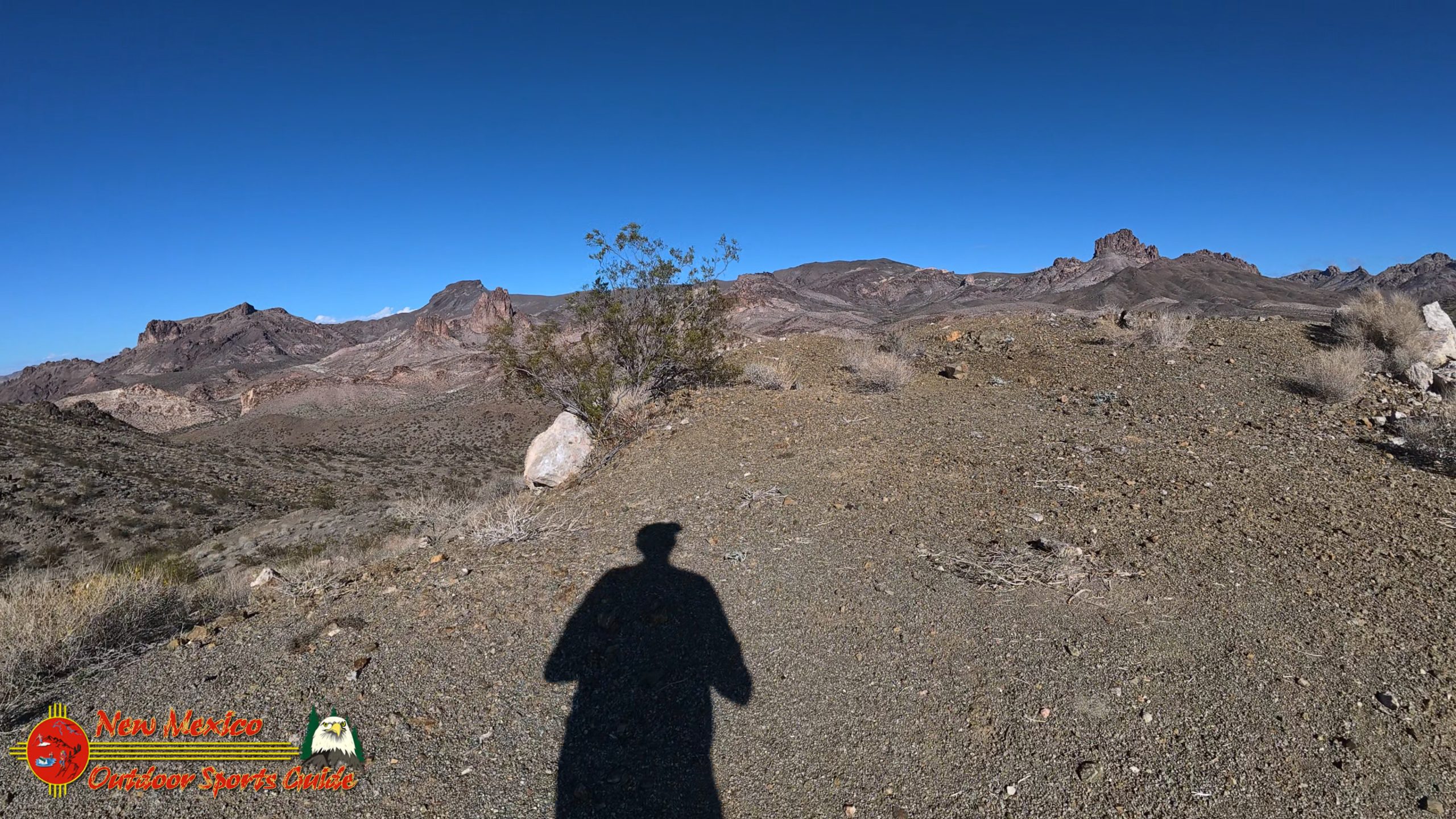
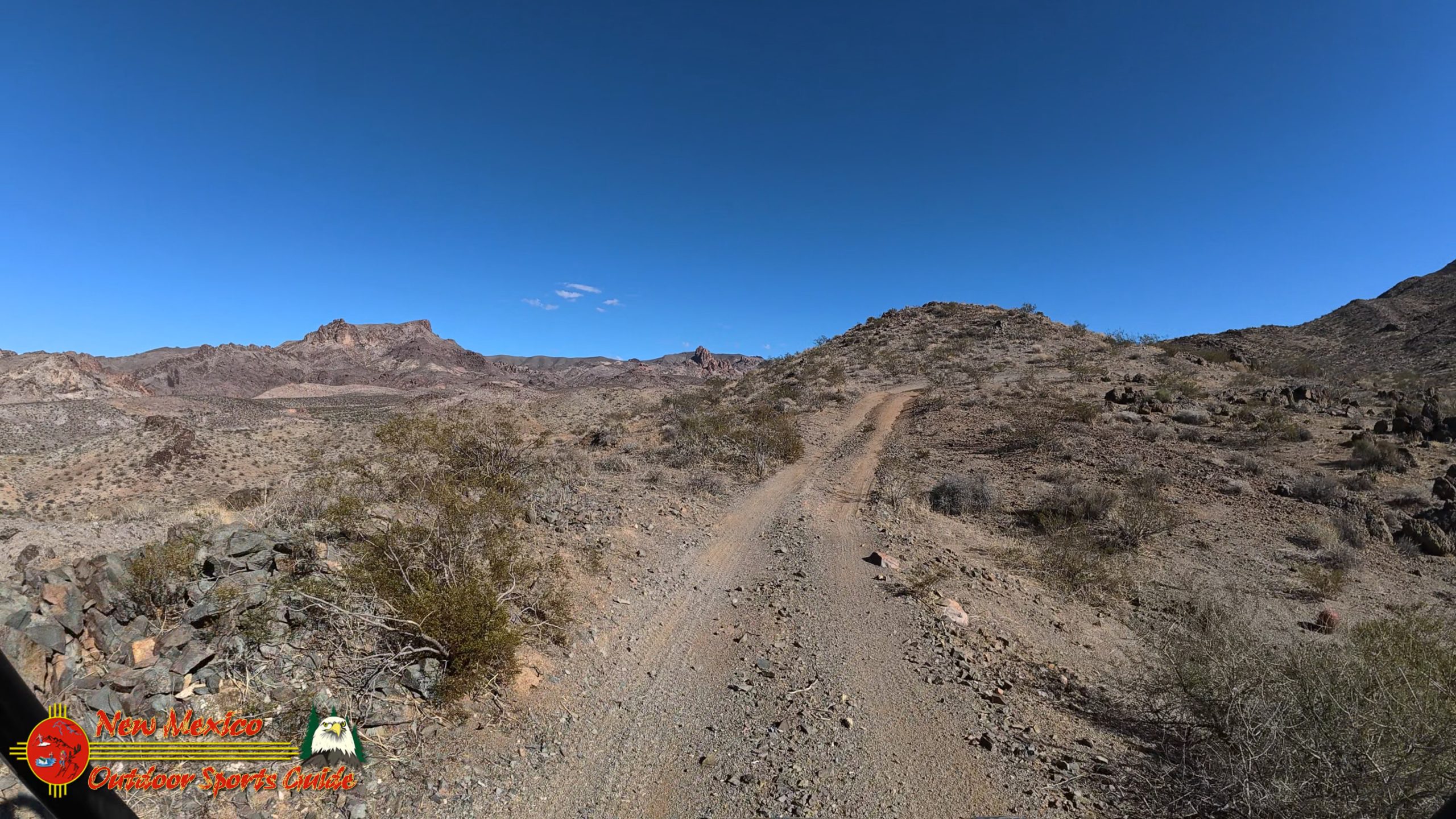
After that initial steep climb, we're rewarded with the ridge trail—a series of rolling ups and downs that run south along the spine of this lesser range. To our west, Lake Mohave spreads out in brilliant blue contrast to the tan and brown desert, the Colorado River's current barely visible from this height as it flows south from Davis Dam. To our east, the main Black Mountain range rises in imposing grandeur, its peaks catching the sun while its canyons fill with deepening shadows.
There are several lookout spots along this ridge, natural pull-offs where the view demands that you stop and simply absorb the scale of this landscape. We pause at one, and I shut down the engine to let the silence wash over us. It's not truly silent, of course—there's the whisper of desert wind, the distant call of a raven, the tick of cooling metal from the Rhino. But compared to the engine noise and trail noise, it feels like profound quiet.
From here, the Black Mountains reveal their character. These aren't the verdant, forested slopes of Angel Fire that we enjoyed for seventeen years, where Wheeler Peak wore its snow cap like a proud monarch and the aspens turned the mountainsides to gold each September. These mountains are harder, more austere, their beauty less obvious but no less real. You have to earn your understanding of desert mountains. They don't give up their secrets to casual visitors.
We wind along this ridge for a couple of miles, the trail sometimes barely wider than the Rhino, with exposure on both sides that demands attention. This is technical riding, the kind that keeps you focused and engaged. At eighty-something years old, I find I actually appreciate this level of challenge—it keeps the mind sharp, the reflexes tuned, the sense of adventure alive.
Dropping Down to the Tyro Mine Valley
Eventually, the trail drops down the east side of the ridge onto a side trail that leads toward the Tyro Mine. The descent requires careful speed control—too fast and you risk losing traction on loose rock; too slow in the wrong gear and you're riding the brakes too hard, risking overheating. It's a delicate balance, one that becomes second nature after years of trail riding.
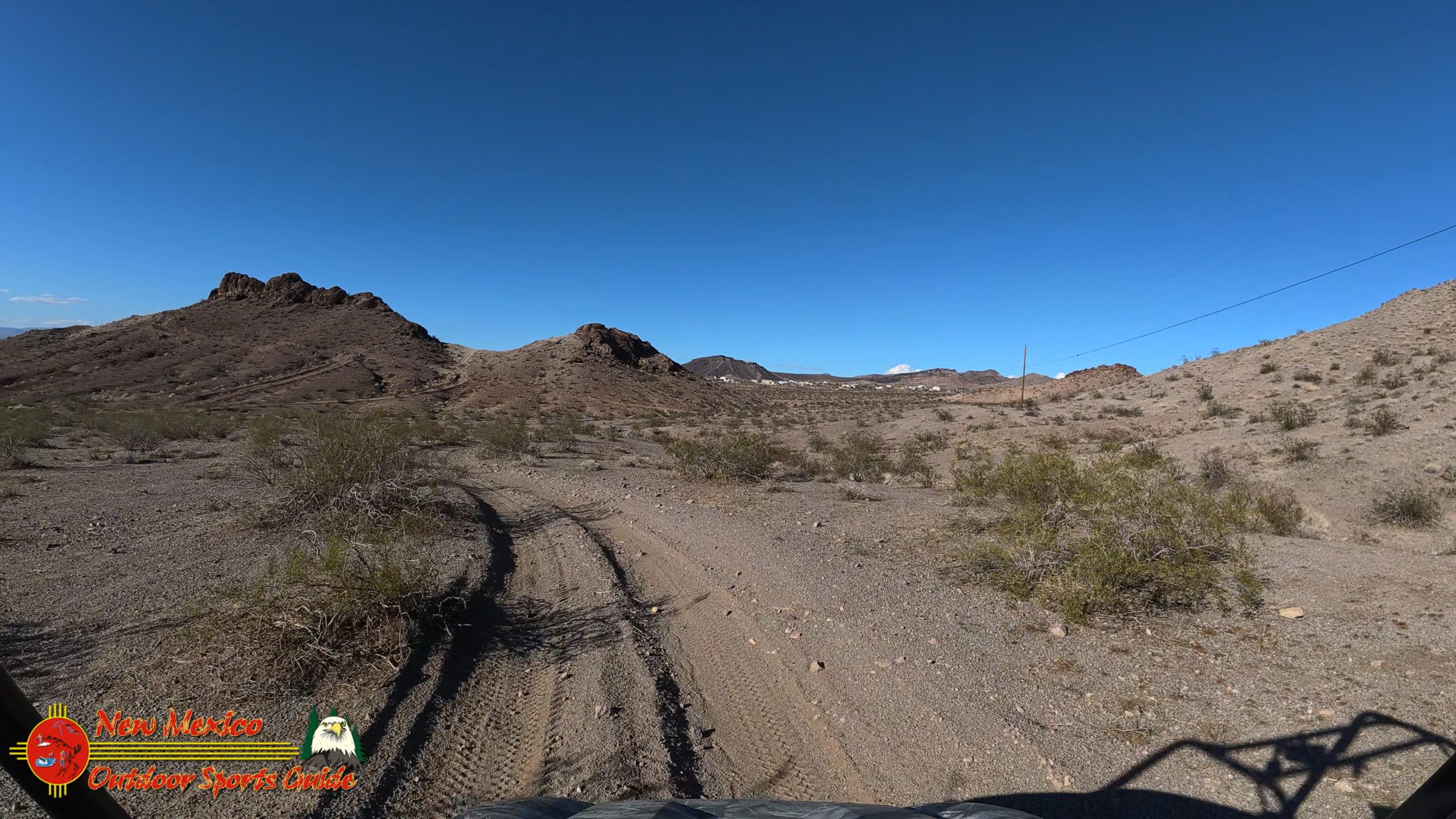
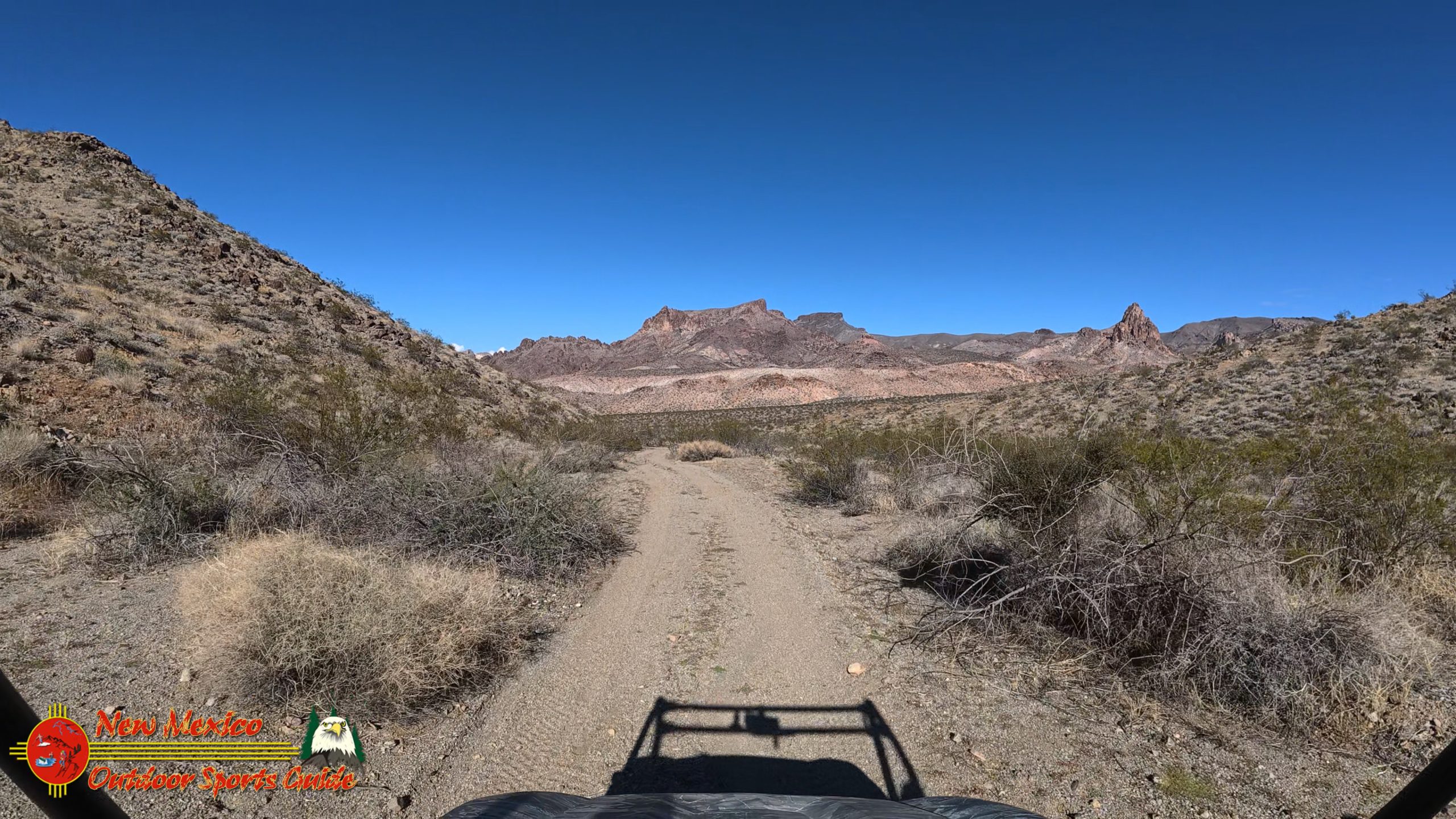
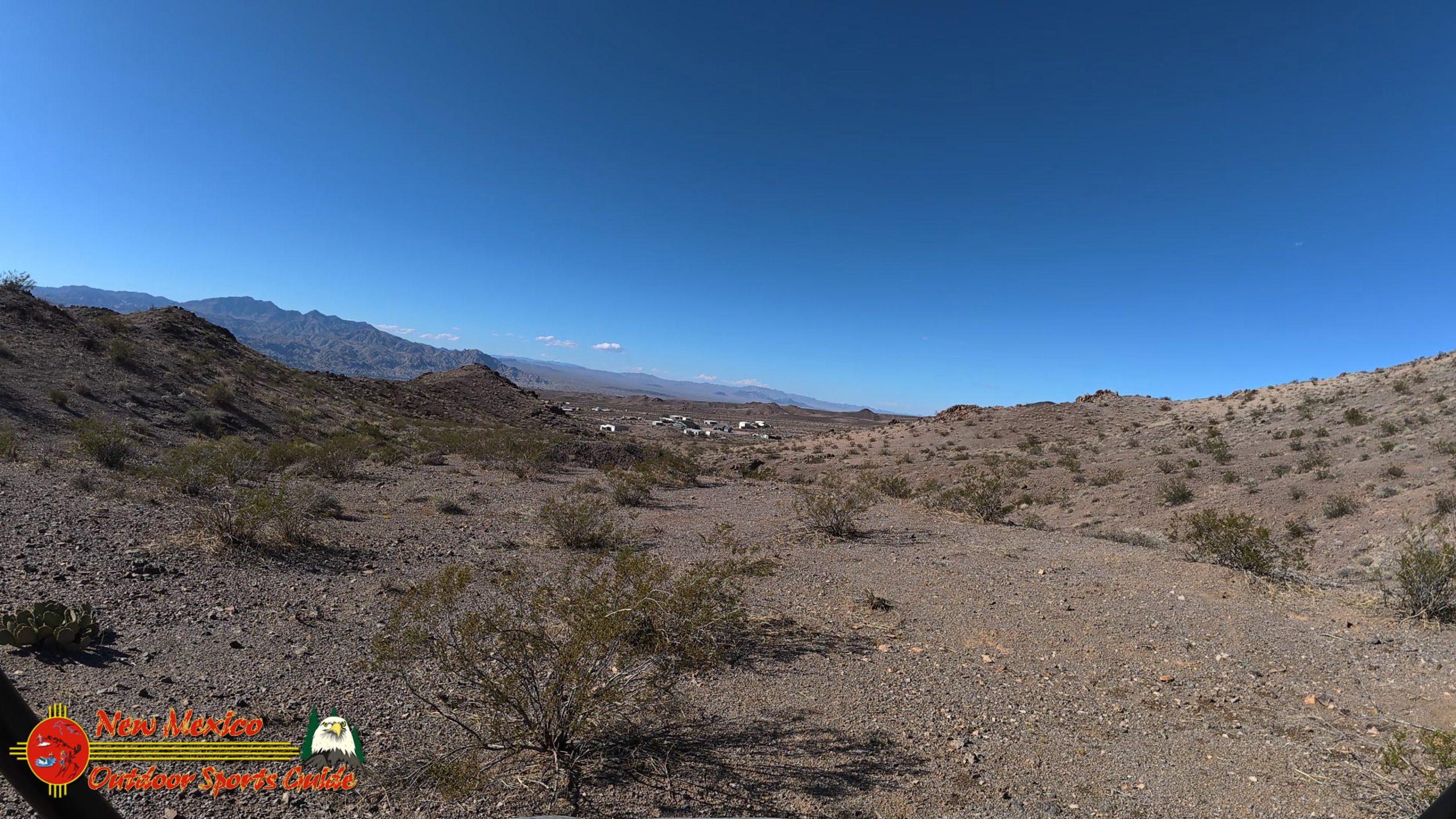
The valley between our ridge and the main Black Mountain range opens up before us, a broad basin dotted with creosote bush, barrel cactus, and the occasional palo verde tree. The trail here is better maintained, probably due to the recent activity around the Tyro Mine. We've noticed more traffic in the area over the past few years—engineers, surveyors, people in official-looking vehicles. With gold prices climbing, it makes sense that old mines are getting a second look. The Tyro Mine, with its history of gold production, would naturally attract renewed interest.
We settle into a comfortable pace, what I'd call "a reasonable clip" in the cowboy parlance of my youth. Fast enough to cover ground efficiently, slow enough to react to unexpected obstacles—a wash crossing, a sharp rock in the trail, a startled desert bighorn sheep. The Rhino handles this terrain confidently, its suspension soaking up the bumps while keeping us comfortable in our seats.
This is the kind of riding I love—engaging but not exhausting, challenging but not terrifying, beautiful beyond measure. Paulette points out a red-tailed hawk circling overhead, probably hunting for ground squirrels. Later, we spot the distinctive tracks of a coyote crossing the trail, and I make a mental note about the location for future wildlife photography.
We follow this valley trail south for about five miles, the Black Mountains growing larger and more imposing to our east. The late afternoon light continues its transformation of the landscape, shadows lengthening, colors deepening, the desert revealing depths of beauty that harsh midday sun conceals.
The Climb to Tyro Mine Overlook
Then comes the payoff climb—the steep trail that switchbacks west up to the overlook above the Tyro Mine. This is about a three-mile climb that gains significant elevation, and it tests both the Rhino and its driver. The trail is rocky, rutted in places, with loose surface material that requires careful throttle control and smart line selection.
I downshift, letting the engine's compression help control our speed on the steeper sections, powering through the loose spots to maintain momentum. The Rhino's low-range gearing is perfect for this—enough torque to pull us up without racing the engine, enough control to keep us safe on the technical sections.
As we climb, the view begins to open up. First, Lake Mohave comes fully into view, that improbable blue ribbon in the tan desert. Then Bullhead City appears, sprawling along the Arizona shore. Across the river, Laughlin, Nevada, rises in a cluster of casino towers, an oasis of civilization in the wilderness. The Colorado River traces its path beneath Davis Dam, the engineering marvel that created Lake Mohave and tamed this section of the once-wild river.
The Tyro Mine Overlook
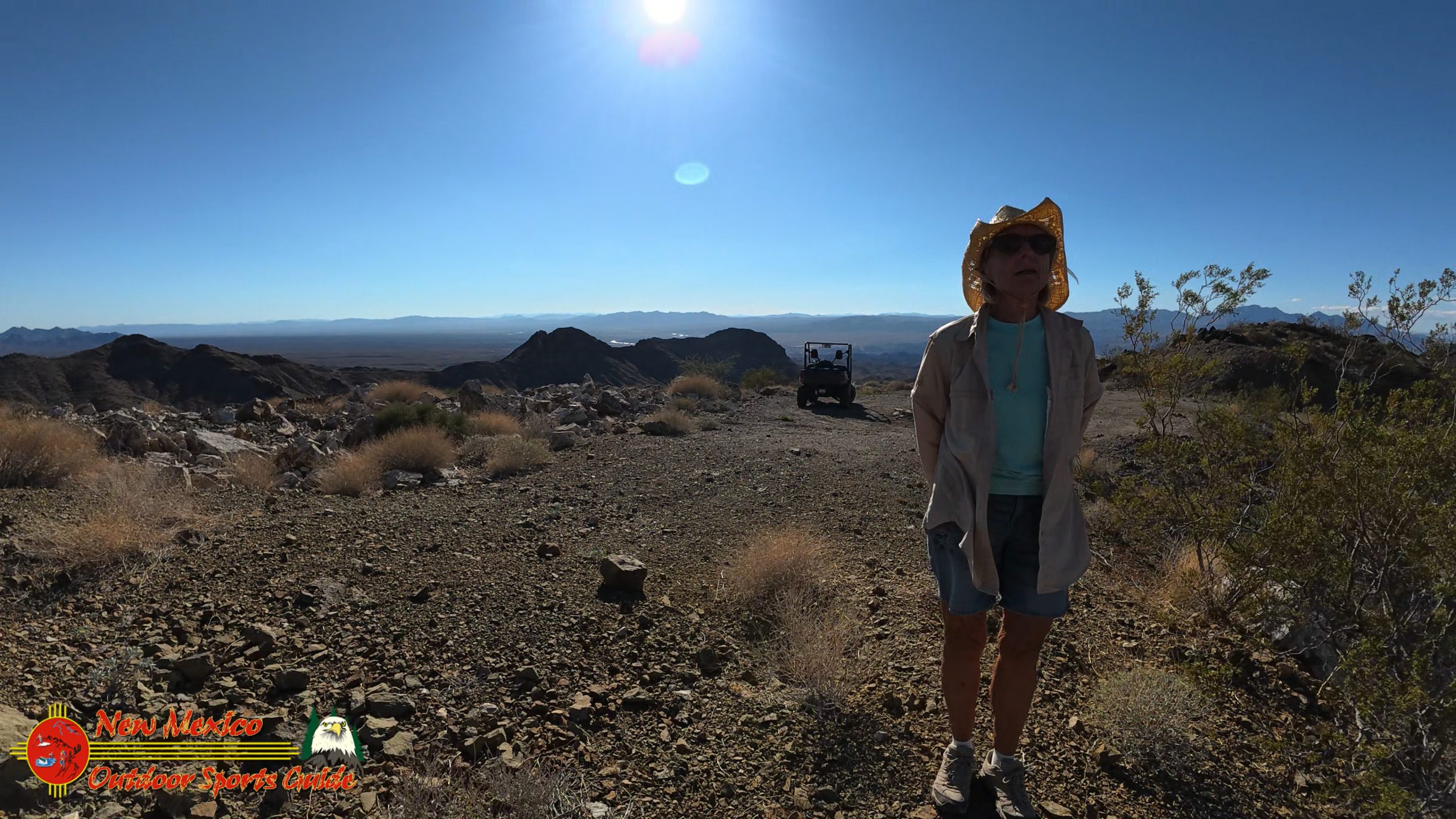
We reach the overlook and I pull the Rhino to a stop, setting the parking brake. This is our destination, the crown jewel of today's adventure, and it never disappoints.
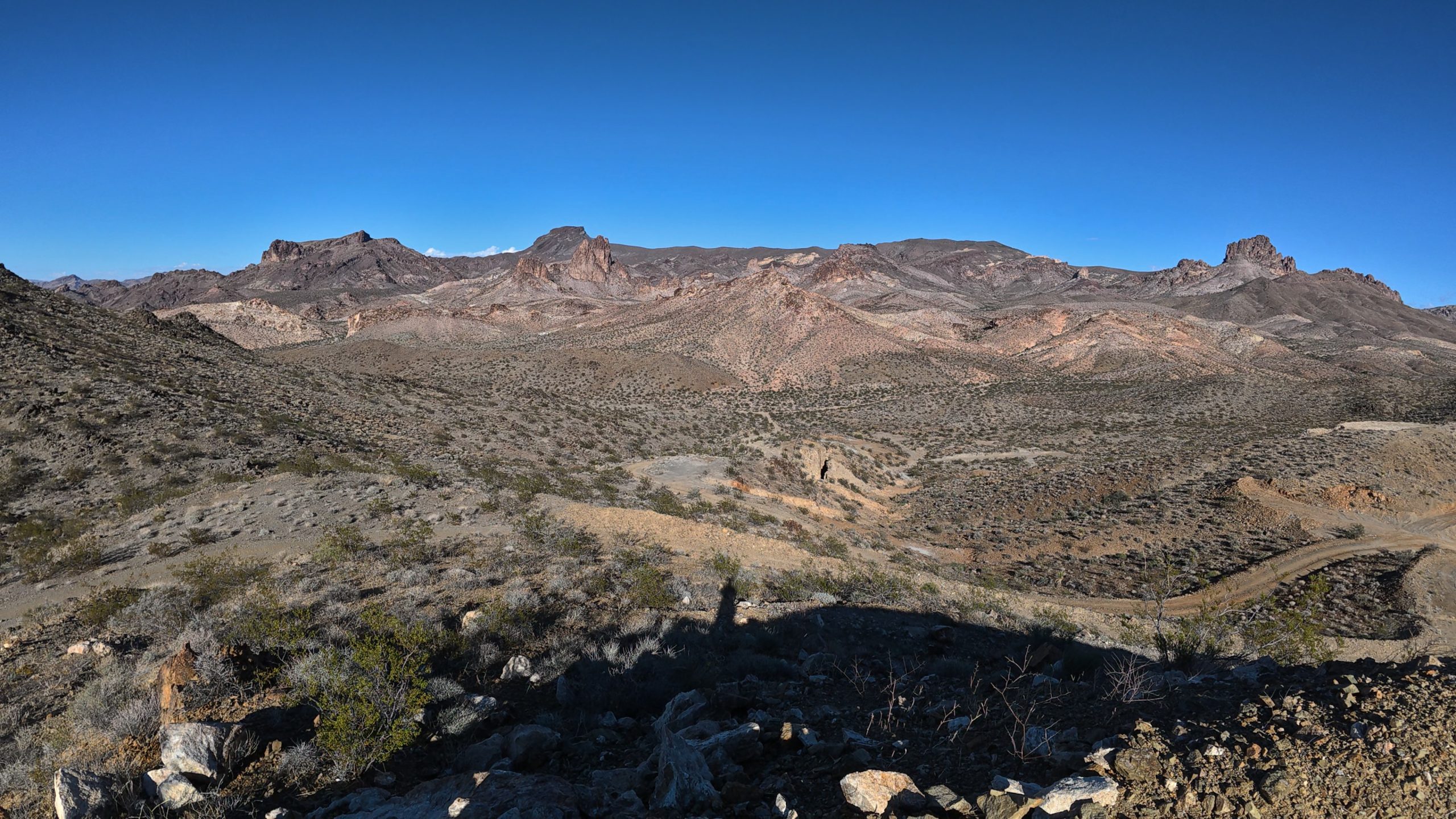
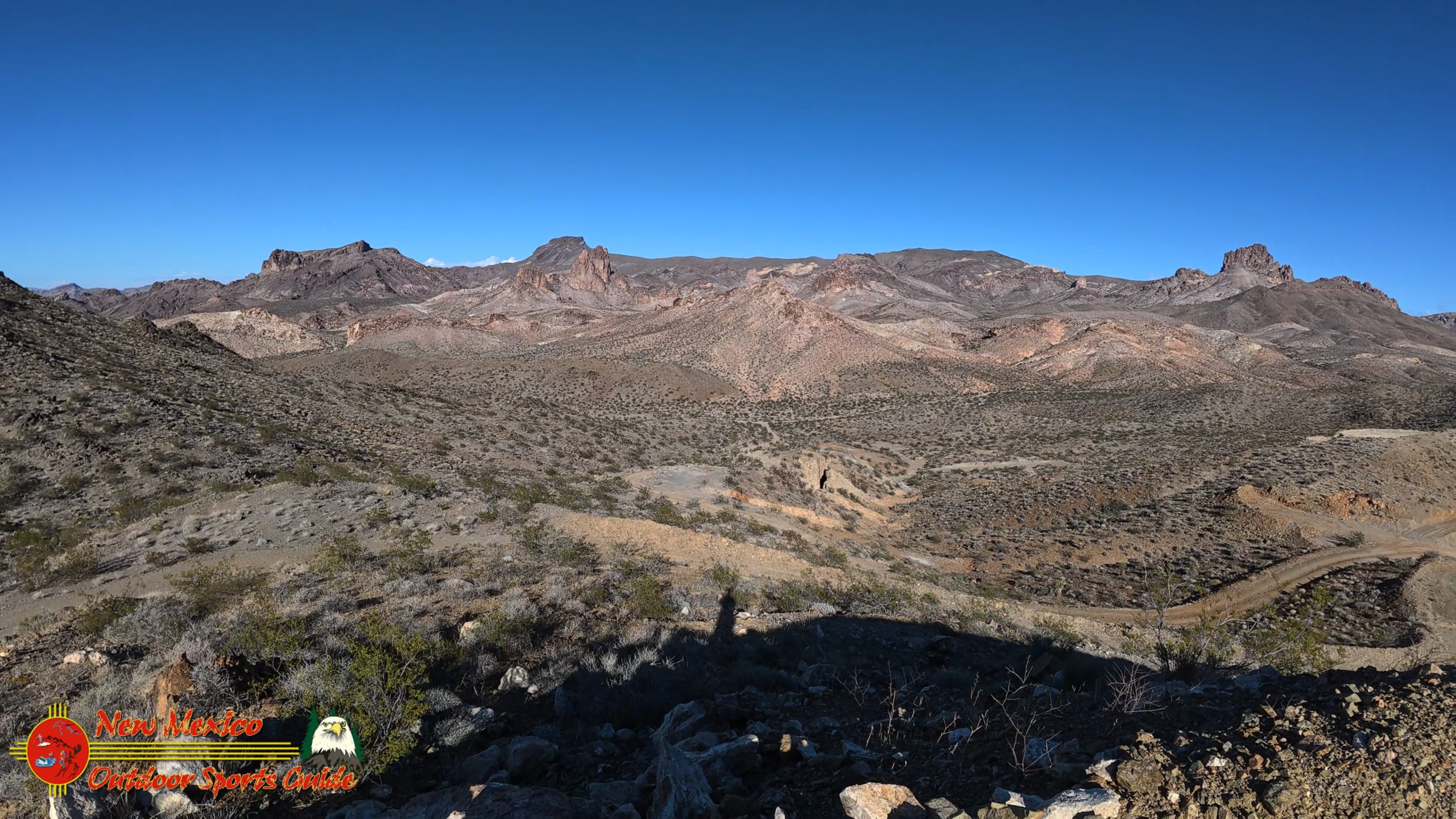
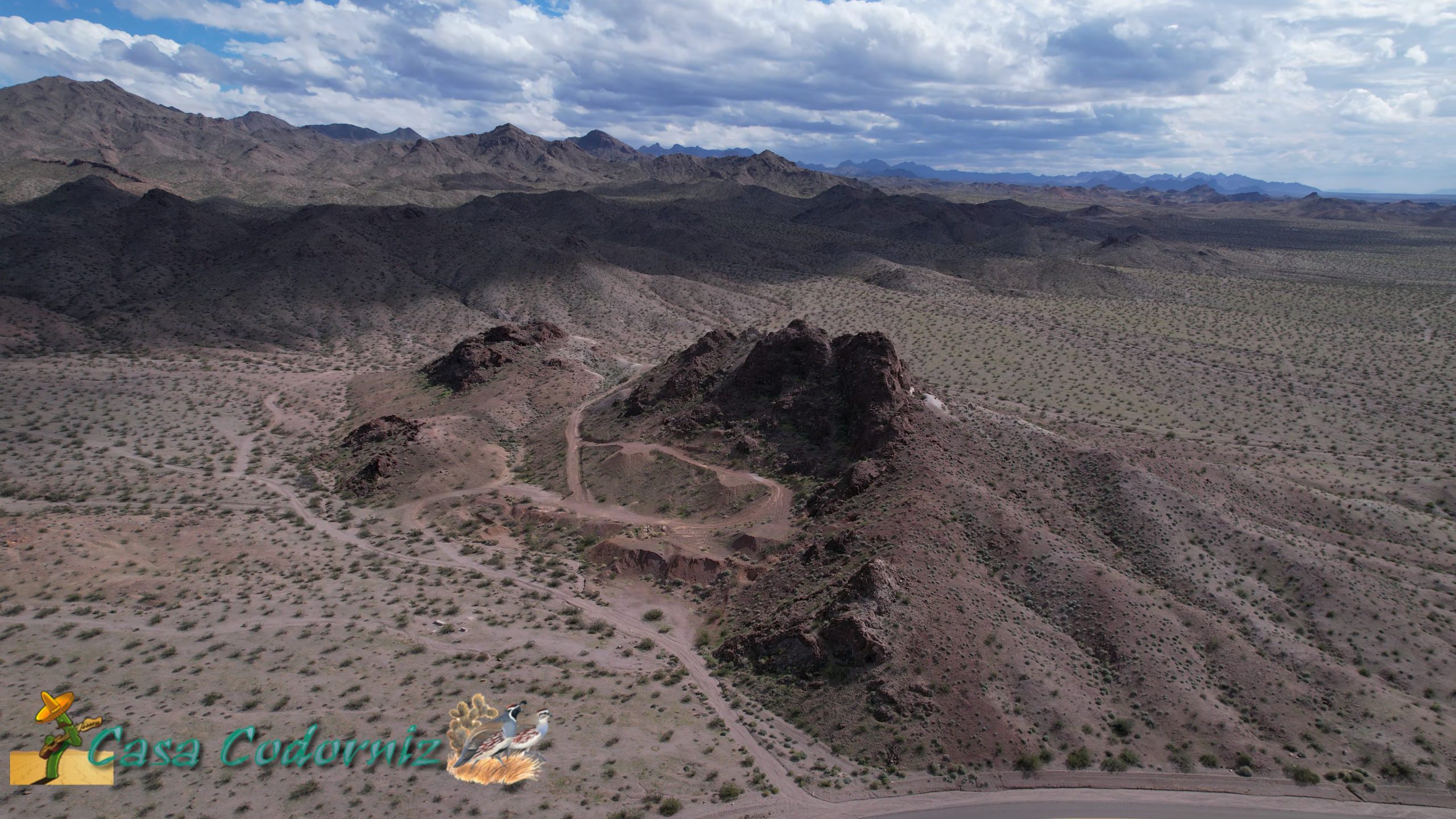
The Tyro Mine sprawls below us and to the south, a complex of many independent mines that collectively made up one of the Black Mountains' more significant gold mining operations. From up here, you can see the scale of the operation—old mine shafts, tailing piles, the remnants of processing facilities, roads carved into impossible slopes by men with more ambition than fear. The Tyro Mine represents a chapter of American history written in hard rock, harder work, and the eternal human dream of striking it rich.
Gold was discovered in this area in the early 1900s, and mines like the Tyro attracted prospectors, investors, and dreamers from across the country. They worked these mountains with hand tools, dynamite, mules, and sheer determination. Water had to be hauled in. Supplies came by rough wagon roads. Summer heat was brutal, winter nights freezing. Yet they persisted, driven by gold fever and the promise of fortune.
Looking at these old mines, I'm struck by the parallels to my own life—not the gold seeking, but the willingness to tackle difficult projects, to build something where nothing existed before. Whether it was teaching myself to fly, building Centaur Installations into a successful business, teaching myself computer programming and web design, or building Casa Oso at 9,500 feet in the New Mexico mountains, there's a common thread of "figure it out and get it done." Those old miners would understand.
The Tyro Mine and its neighbors produced gold, silver, copper, and other minerals over several decades. Production waxed and waned with metal prices, world events, and the richness of the ore bodies. Eventually, like most of these old operations, the easily accessible ore was exhausted, prices dropped, or both, and the mines were abandoned. Now they stand as monuments to a rougher, more adventurous era.
Exploring old gold mines is a passion of mine, though I'm always respectful and cautious. Never enter old mine shafts—they're death traps of bad air, unstable ground, hidden pits, and structural failure. From the surface, though, you can read the landscape, understand the operations, photograph the remnants, and imagine the lives of those who worked here. The Tyro Mine, visible from our overlook, offers all of this without requiring dangerous exploration.
From our high vantage point, the view extends for miles in every direction. To the north, on a clear day like today, you can just make out Mount Charleston near Las Vegas, Nevada, some ninety miles distant. In winter, it's easily distinguishable by its snow cap—the only mountain in this region that holds snow through most of the winter months. Today, it's a subtle presence on the northern horizon, more felt than seen.
Looking across the valley to the east, atop the ridge about five miles away, there's a speck that catches the eye. If you didn't know what you were looking at, you'd never guess it was a mountaintop log cabin built by Don Laughlin himself, the founder of Laughlin, Nevada. We took a Rhino ride there a few years back—a whole adventure in itself, and a story for another time. But knowing it's there, knowing its story, adds another layer of history and human ambition to this landscape.
Paulette and I step out of the Rhino, stretching legs that have been braced against the trail's challenges for the past hour. I pull out my camera for some still shots—the video footage from the action camera is great, but sometimes you want the contemplative moment of composing a photograph, of really seeing what's in front of you rather than just recording it.
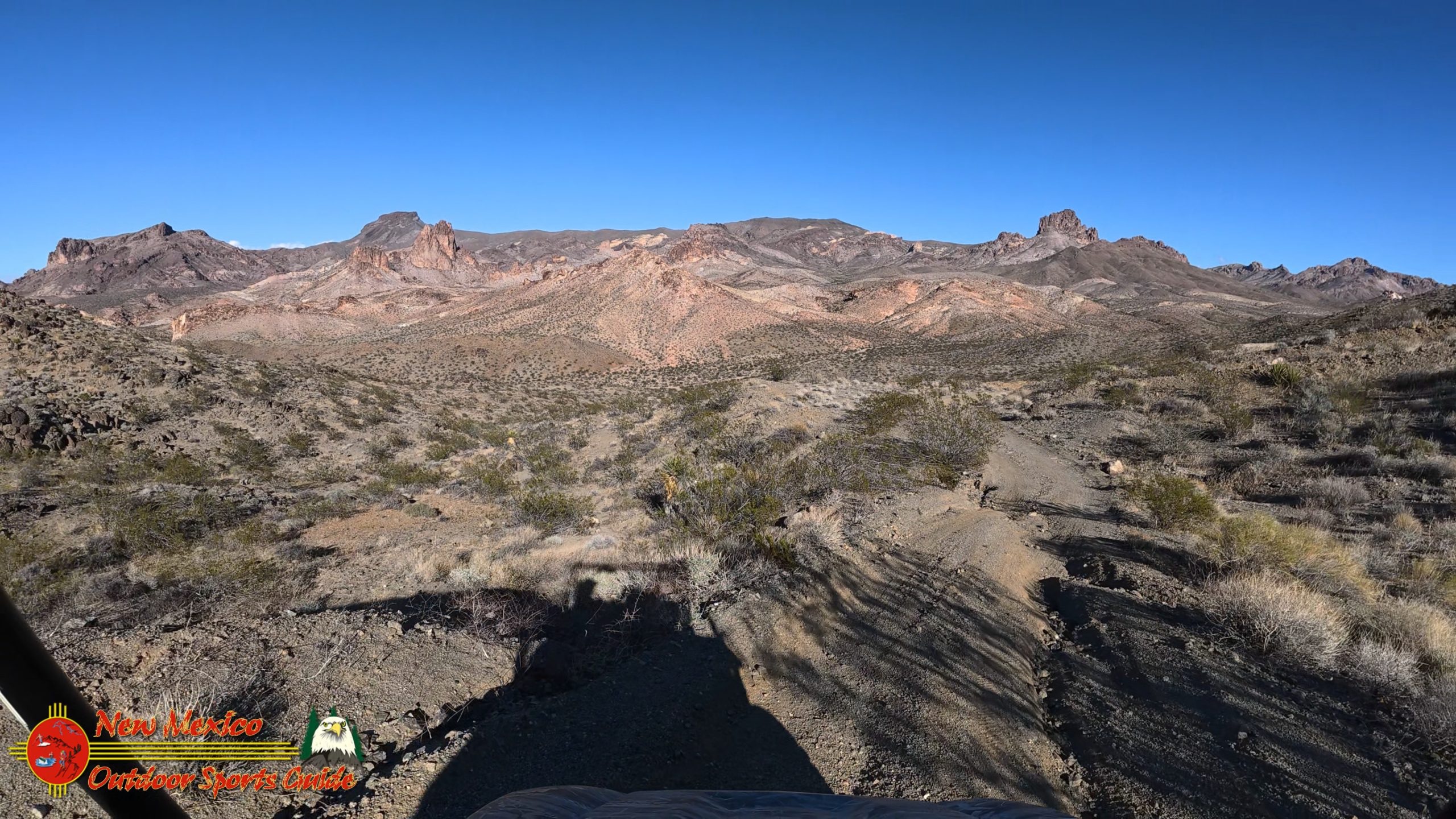
The colors at this time of day are spectacular. The Black Mountains glow in shades of rust, amber, burgundy, and bronze, the low sun raking across their faces to reveal every fold, every canyon, every geological story written in stone. The lake is impossibly blue against the tan desert. Bullhead City and Laughlin shimmer in the distance, their lights just beginning to come on as dusk approaches.
This is why we do this. This is why, at our age, we still load up the Rhino and head into the backcountry. Not for conquest or achievement, but for connection—to the land, to each other, to something larger than ourselves. I think of those old prospectors at the Tyro Mine, and while our pursuits are different, perhaps the underlying drive is the same: the need to explore, to see what's over the next ridge, to experience the raw beauty of the American West.
The Journey Home
But the sun won't wait for reminiscence, and we've got miles to cover before dark. I don't relish the idea of navigating these trails after sunset, not with my eighty-something-year-old eyes and the very real presence of rattlesnakes in this country. Best to be rolling.
We drop down the west side of the ridge through the Tyro Mine complex itself. Up close, the scale of the operation becomes even more apparent—multiple mine entrances, some partially collapsed, others still gaping dark into the mountain. Tailings piles, discolored by the minerals extracted from the ore, cascade down slopes. Rusted equipment parts, bits of old rail, cable remnants—the detritus of hard-rock mining scattered across the landscape.
We reach Katherine Mine Road, another testament to the mining history of this region, and point the Rhino west toward Lake Mohave. This is easier going, a maintained dirt road that allows us to make good time. Six or seven miles pass quickly, the light fading but still adequate, the temperature dropping as evening approaches.
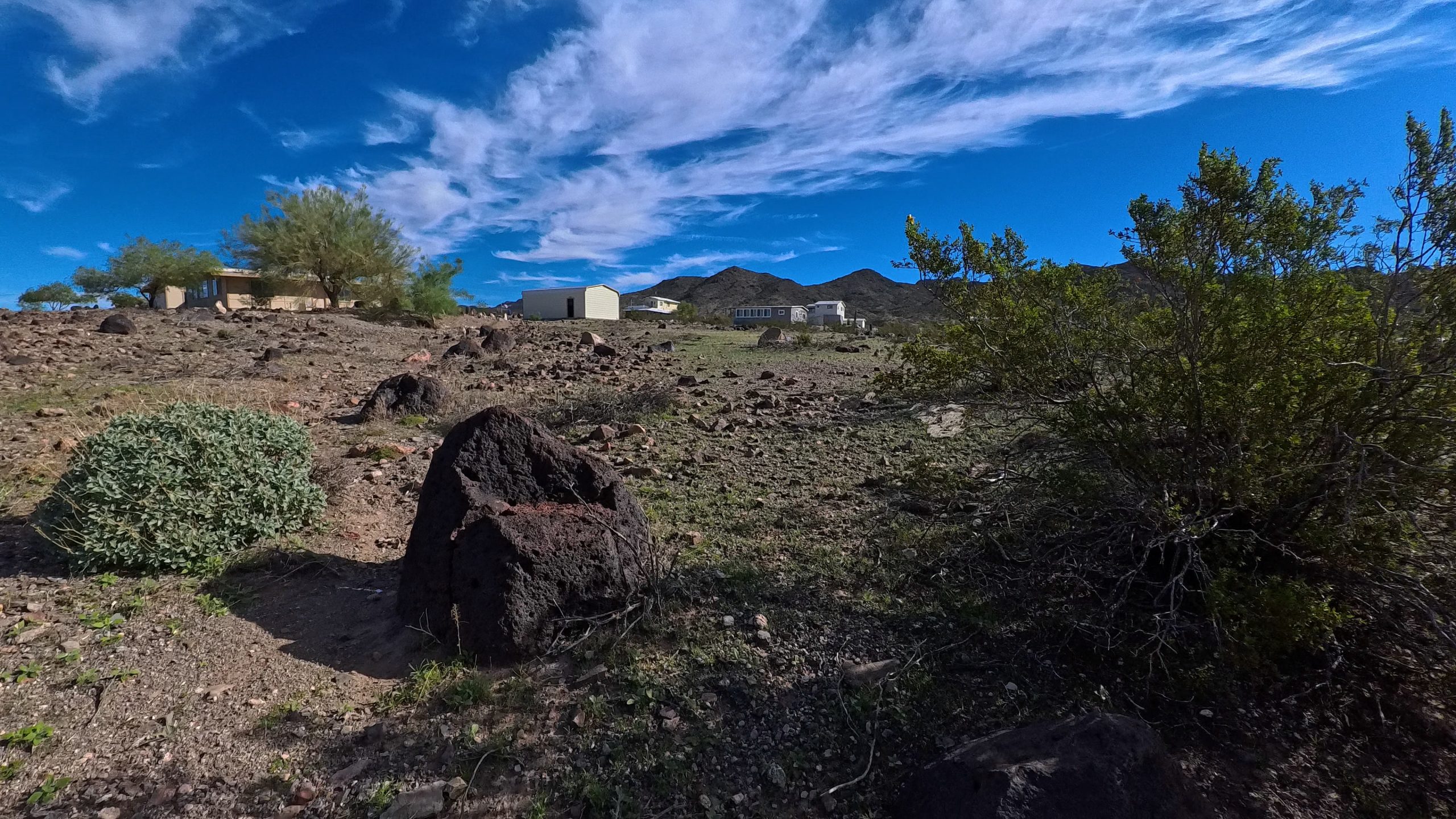
Then we pick up a trail heading north—our homeward route—threading between desert hills and washes, familiar country now as we approach Casa Codorniz. The Rhino has performed flawlessly today, as it always does, earning its keep and then some. I make a mental note to change the oil soon, check the air filter, maybe grease a few fittings. Good equipment deserves good maintenance.
We roll into the driveway just as the last light fades from the western sky, and I pull the Rhino into the garage with a sense of satisfaction. Another successful adventure, another day of exploring this magnificent desert country, another collection of memories and footage and photographs to document the wilderness I love.
Reflections on Desert Adventure
As I write this, comfortable in Casa Codorniz with a cold drink and the day's video footage uploading to my computer, I'm struck by how lucky we are. From the Kansas Flint Hills to Houston aviation to construction company ownership to bass fishing tournaments to web design to mountaintop living at Angel Fire to now dividing our time between Santa Fe summers and Lake Mohave winters—it's been quite a journey.
The Tyro Mine, in its own way, represents what I love about this country. It's history and geology, human ambition and natural beauty, accessible adventure and genuine wildness all rolled into one spectacular package. You can ride there in a UTV, safely and comfortably, and experience something that speaks to the very heart of the American Southwest.
For those considering their own UTV or ATV adventures in Arizona, I can't recommend it highly enough—with the proper preparation and respect for safety. The trails around the Black Mountains, Lake Mohave, and the Tyro Mine offer everything from easy scenic routes to technical challenges, all wrapped in landscape that will stop your heart with its beauty.
The Yamaha Rhino has been our faithful partner in these adventures, reliable and capable, comfortable enough for two people to spend hours exploring without excessive fatigue. Whether you choose a UTV or ATV depends on your needs and preferences, but either can open up a world of backcountry exploration that you'll never forget.
As for me and Paulette, we'll be back on those trails soon. There are more ridges to explore, more overlooks to discover, more sunsets to witness from unlikely vantage points. The desert keeps calling, the mountains keep beckoning, and we keep answering.
After all, as Gene Autry sang, we're back in the saddle again. And there's nowhere else we'd rather be.
Until the next adventure from the mountains and deserts of the American Southwest...
0 Comments