
Desert Whispers
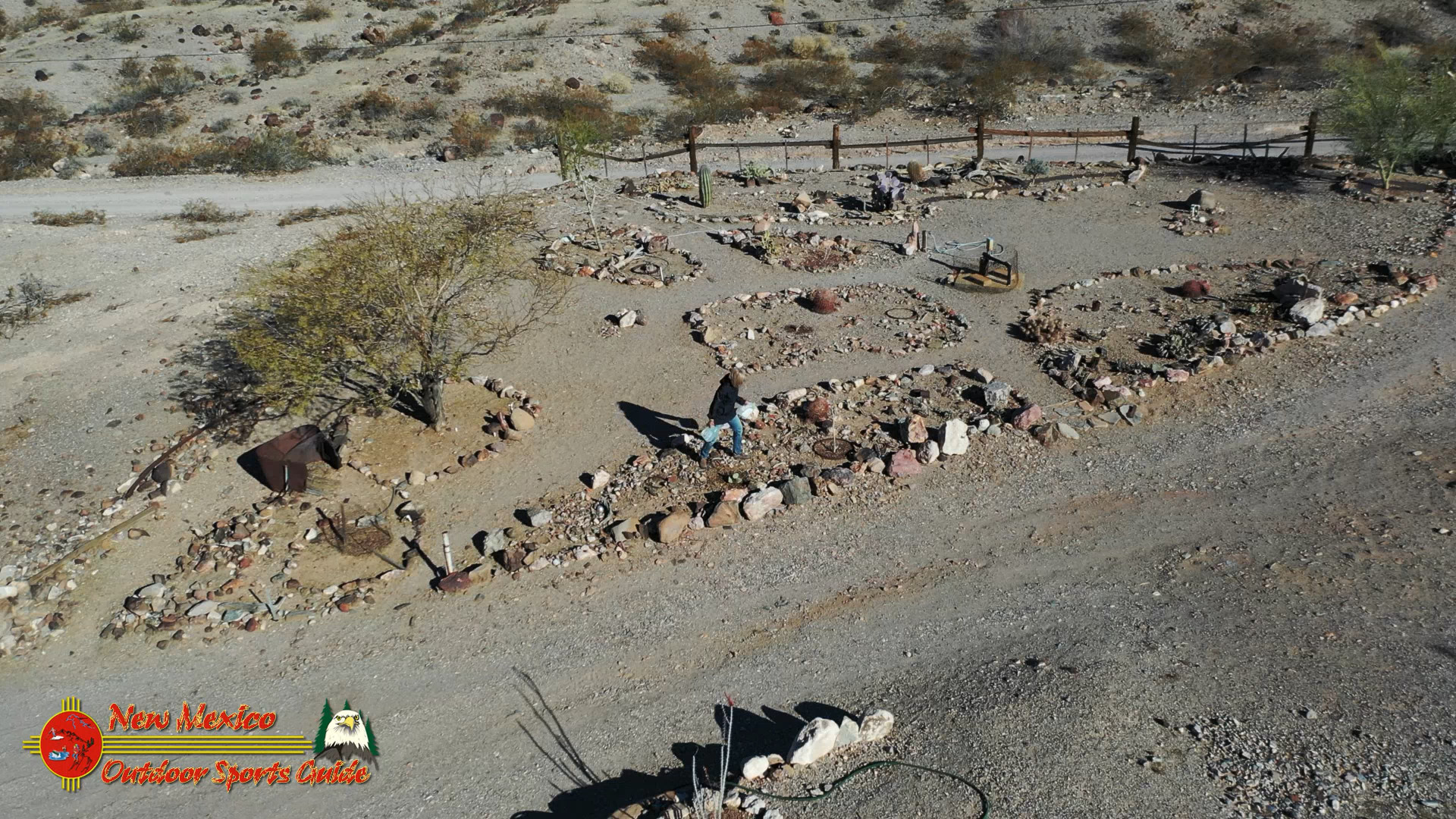
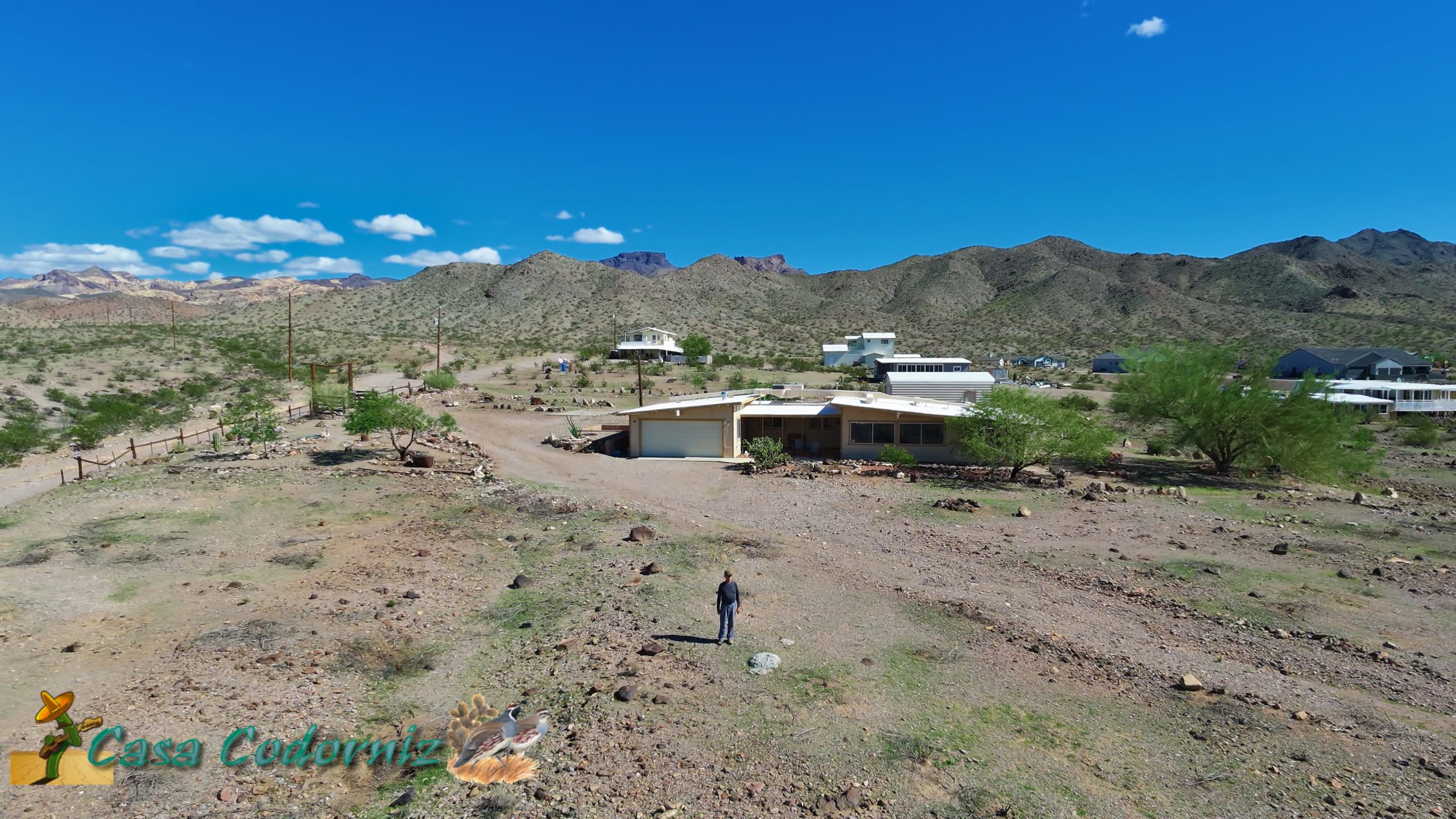
The pale February sun had barely lifted itself above the ragged eastern Black Mountain hills when I first spotted Paulette making her way through the garden. From my vantage point on the ridge—camera in hand as always—I watched her emerge from the ranch-style home, two old milk jugs dangling from her weathered fingers. Some folks might call it peculiar, my habit of rising before the sun to capture the way light first touches the Mojave Desert. But after eighty-two years on this earth, most spent with dirt under my nails and horizons stretching before me, I've earned my peculiarities.
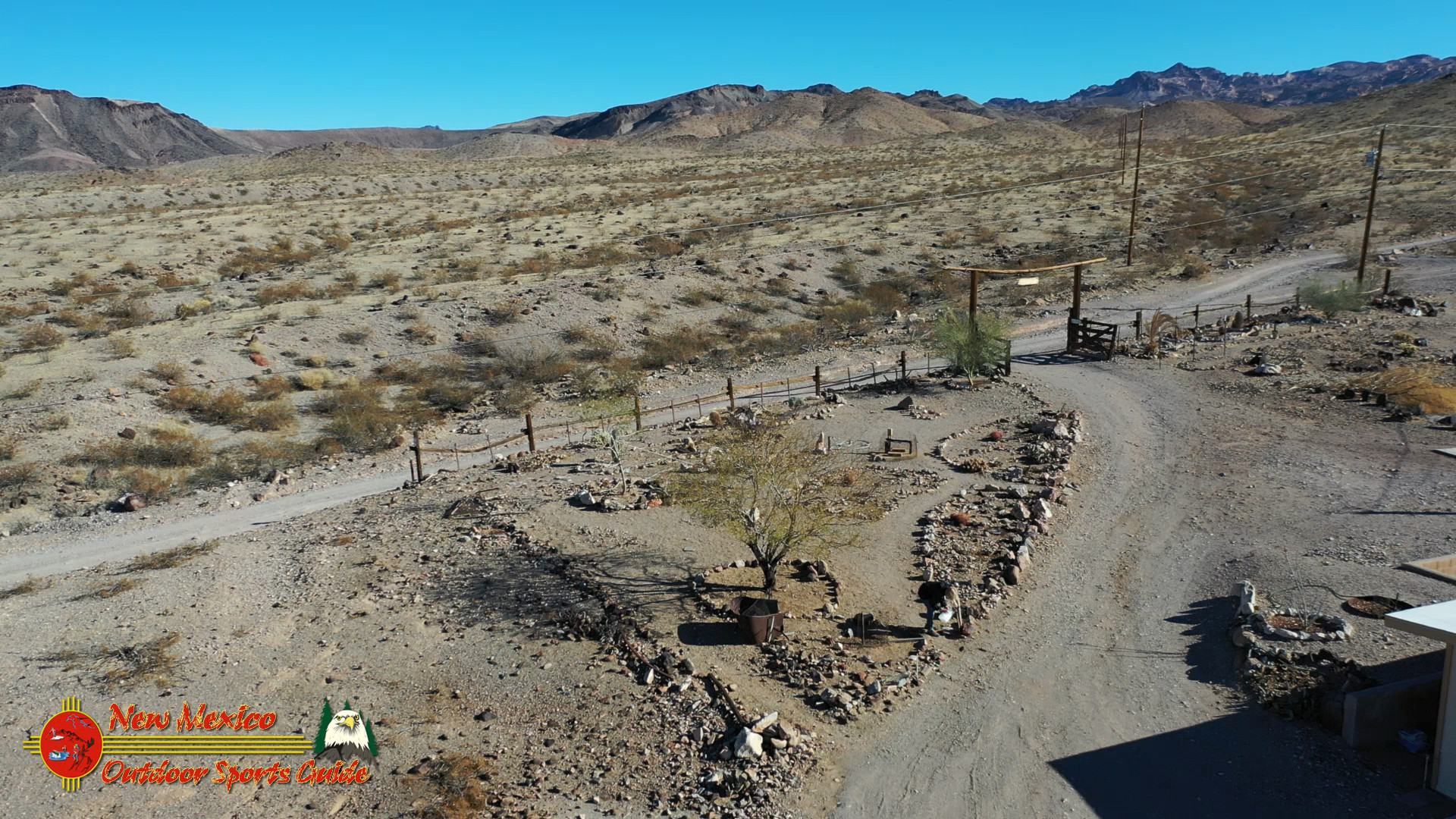
Paulette's cactus garden, perched on that gentle slope overlooking Lake Mohave's strip of silvery expanse, tells a story I've been documenting for nearly twelve years now. It's become something of a ritual, these silent mornings watching her tend to her desert children while I tend to my photographs. This particular morning had a special quality to it—almost crisp enough to see your breath, with a gentle breeze carrying the promise of spring, though winter hadn't quite released its grip on the Mojave.
The Morning Dance: Water and Wisdom in the Mojave Desert
"Mornin' " Paulette called, spotting me and my tripod. "Caught me doing my rounds again?" She lifted one of the milk jugs in greeting, water sloshing inside like liquid treasure. Out here in the Mojave Desert, that's exactly what it is.
I adjusted my cap against the strengthening light. "The way you water those plants makes for stunning footage. Like watching a dance."
She laughed, the sound carrying across the rocky terrain. "Dance, my foot. It's just an old woman trying not to drown her cactus."
But there was grace to it, no doubt. Paulette's careful ministrations with those repurposed milk jugs—one filled with well water, the other with a weak solution of coffee grounds she swears by—showed the wisdom that comes only from years of desert living. Each plant received precisely what it needed, no more and certainly no less. In the Mojave Desert, generosity with water can be as harmful as neglect.
"Pat, you ever notice how a garden is just like raising children?" Paulette called over, kneeling before a barrel cactus with its crown of vibrant yellow spines. "Give 'em too much of what they want, and they grow up weak. Give 'em too little attention, and they shrivel away. The trick is knowing each one's particular nature."
I nodded, adjusting my camera to capture how the morning light illuminated the tiny droplets she'd just placed at the base of the barrel. Through my viewfinder, those droplets became tiny prisms, each holding a miniature reflection of Lake Mohave stretching away in the background. Some shots simply compose themselves, a gift from nature to those patient enough to watch.
Lake Mohave: The Desert's Blue Heart
From Paulette's garden, Lake Mohave stretches like a thin blue artery through the rugged desert landscape. Created by the Davis Dam on the Colorado River, it's technically a reservoir, but that clinical term fails to capture its wild beauty. This morning, with the breeze rippling its surface, the lake caught the early light in flashes of gold and silver.
"Lake's down about eight feet from last year," Paulette observed, following my gaze as she moved to tend her cluster of beavertail cacti. Their flat, paddle-shaped pads were just beginning to show hints of the magnificent magenta blooms that would explode across the garden come April.
She wasn't wrong about the lake. Twenty-seven years behind the wheel of fishing boats had taught me to read these waters like others read books. Lake Mohave, like its bigger sister Lake Mead to the north, bears the marks of the drought that's been squeezing the Southwest in its fist for longer than many care to acknowledge.
"Always comes back, though," I said, more hoping than knowing. "Desert's good at enduring."
Paulette snorted softly. "That it is. Might be why I feel so at home here." At seventy-four, with her blonde hair pulled back in a no-nonsense cut and skin tanned to the texture of fine leather, Paulette embodied the desert's resilience as much as any saguaro.
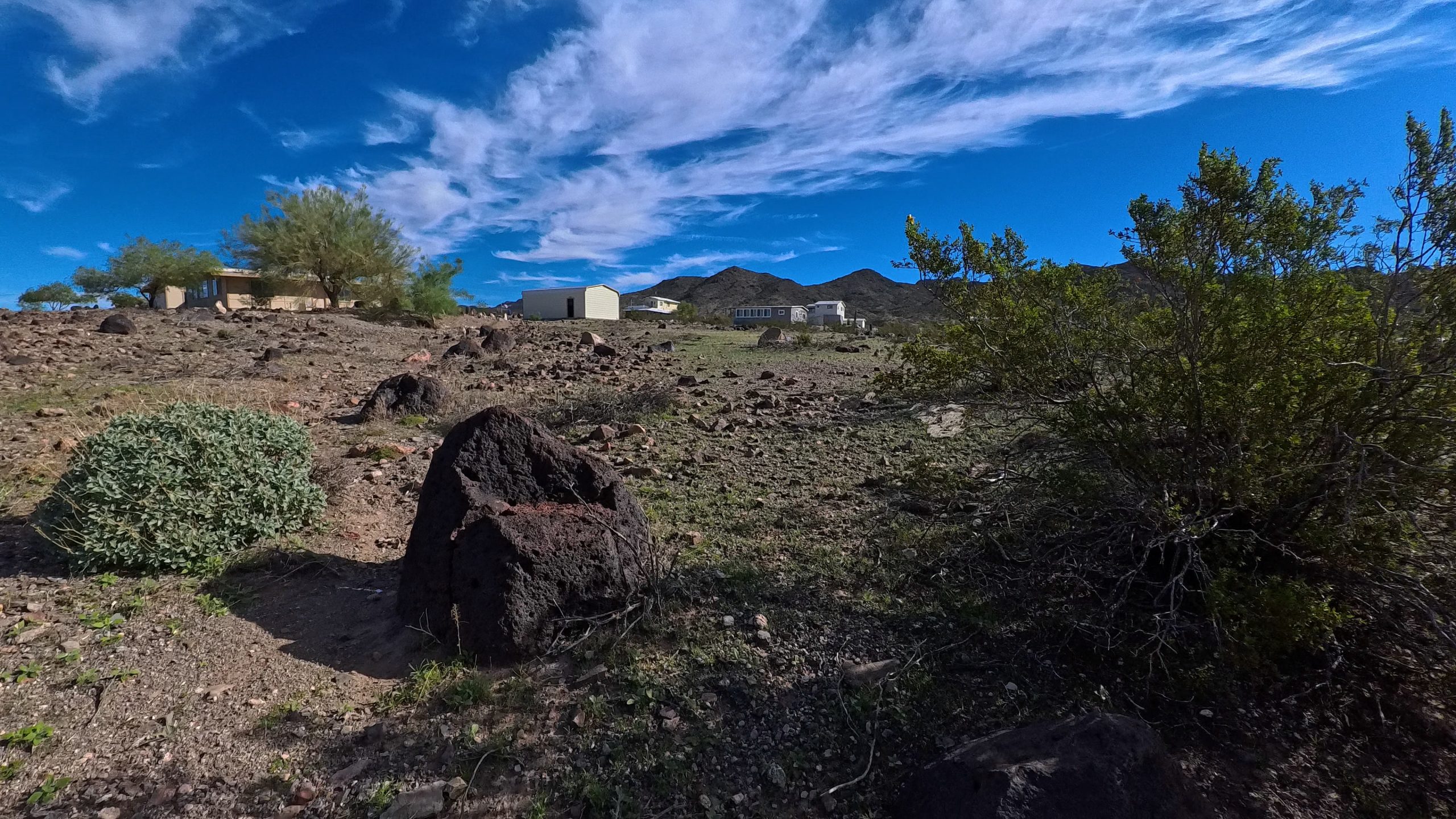
I panned my camera slowly across the vista, catching how the Black Mountains rose behind the lake, their slopes dotted with creosote bush and brittlebush. From this angle, with Paulette's garden in the foreground and the lake beyond, the scene captured the essence of the Mojave Desert—not merely surviving but thriving in conditions that would defeat lesser landscapes.
The Saguaro Sentinel: Grandfather of the Garden
"How's old Geronimo this morning?" I asked, nodding toward the young saguaro that stood like a sentinel at the garden's northern edge.
Paulette smiled, patting the cactus's trunk with familiar affection. "Doing just fine. Think he might even be getting ready to put out an arm." She pointed to a barely perceptible bulge forming about seven feet up the column.
That saguaro was something of an anomaly this far north in the Mojave Desert, more commonly found in the Sonoran regions to the south. But Paulette's sheltered slope, with its southern exposure and her careful tending, had allowed it to flourish for the twelve years.
I recorded a slow pan up the saguaro's height capturing how its pleated surface created alternating patterns of light and shadow in the strengthening morning sun. The footage would make a perfect transition in the documentary series I was creating about the changing southwestern landscapes I'd roamed since boyhood.
"These big fellas can go a month without water in the wild," Paulette continued, her voice taking on a teaching tone. "But I give Geronimo a little drink every two weeks since he's not in his native soil. Just enough to keep him happy without making him soft."
Ocotillo Dreams and Desert Wisdom
Moving through her garden with practiced efficiency, Paulette approached the cluster of ocotillo that formed a living fence along the property's eastern boundary. Their spindly, whip-like stems reached skyward, dotted with tiny green leaves that had emerged after the January rains.
"These beauties are about to put on a show," she said, tilting her milk jug to deliver a measured serving to each plant's base. "Another couple weeks and those tips will be on fire with blooms."
I zoomed in on the ocotillo's uppermost stems. By March, they would burst into flaming crimson tubes that would draw hummingbirds from miles around. My fingers itched to adjust the settings on my Lumix, already imagining the slow-motion footage of those metallic-winged visitors hovering among the blossoms.
"Used to be, my father would point out ocotillo when we'd ride the ranch boundaries," I shared, lowering my camera for a moment to watch Paulette work. "He'd say they're like desert people—look all tough and thorny, but come the right season, they show their true colors."
Paulette nodded approvingly. "Your father sounds like a wise man. I used to say something similar—called them 'desert optimists' because no matter how long the dry spell, they're always ready to green up and bloom at the first hint of rain."
The breeze picked up slightly, carrying the faint scent of creosote and mineral-rich soil. Below us, Lake Mohave's surface rippled in sympathy, catching and fracturing the light into countless diamonds. I captured this moment in a wide shot, knowing it would convey the interconnectedness of sky, water, and desert that makes the Lake Mohave landscape so compelling.
The Supporting Cast: Cholla, Palo Verde, and Mesquite
"Watch yourself around these troublemakers," Paulette cautioned as she approached a cluster of teddy bear cholla, their deceptively fuzzy-looking segments masking some of the desert's most tenacious spines. "These fellas are just looking for an excuse to hitch a ride."
I chuckled, remembering countless painful encounters with what old-timers call "jumping cactus" for their seeming ability to leap onto passing hikers. "Got a segment stuck in my calf back in '62 while tracking a wounded mule deer near Christmas Tree Pass. Thought I'd never get all those barbs out."
Paulette tended the cholla with special care, placing water precisely at their bases without disturbing the fallen segments that lay ready to root themselves into new plants. Their ability to propagate themselves through these detached pieces makes cholla some of the Mohave's most successful colonizers.
Beyond the cholla stood the garden's pride—a mature palo verde tree, its green bark gleaming like polished jade in the morning light. Unlike the cacti, which Paulette watered with surgical precision, the palo verde received a more generous portion from her jug.
"This old fellow sends roots down deep," she explained. "Taps into the water table when he can, but these days that's getting harder to reach." She patted the tree's trunk affectionately. "Come April, he'll be covered in yellow blooms so thick you'll think the sun got caught in his branches."
I moved my tripod to capture how the palo verde's feathery branches created a dappled shade pattern across the ground. In that shifting light and shadow dance lay a quality that photographs alone couldn't quite convey—the reason I'd switched to video in my later years after decades of still photography. Some desert stories need movement to be truly told.
Near the southern edge of the garden, a gnarled mesquite spread its canopy of compound leaves. Though less showy than the palo verde, the mesquite represented the true utility player of desert flora.
"Jose's grandfather taught him that the mesquite is the desert's greatest gift," Paulette said, giving the tree its modest water ration. "Beans for food, wood for fire, shade for rest, and roots that find water where nothing else can."
I nodded, recalling how my own father would seek out mesquite honey whenever we'd visit towns along the Colorado River. "Best sweetness in the world comes from the toughest places," he'd say, words that seemed to capture something essential about desert living.
Beavertail Wisdom and Desert Time
As the morning advanced, painting the Black Mountains in progressively warmer hues, Paulette knelt beside a sprawling patch of beavertail cactus. Their flat, oblong pads grew in convoluted patterns, reaching toward the strengthening sun.
"These were the first cactus I planted when we bought this place thirty years ago," she said, her voice soft with memory. "Just three pads I got from a friend in Searchlight. Now look at them—covering half the hillside."
I zoomed in with my camera, focusing on how the beavertails' surfaces were dotted with nearly invisible glochids—tiny barbed hairs that can cause more irritation than their larger spines. The play of light across their blue-green surface created an almost velvety appearance that belied their defensive nature.
"Desert teaches you patience," Paulette continued, carefully placing water droplets around the plants' perimeter where their shallow roots could access it. "Salvador and I used to joke that we measured time differently out here—not in days or years, but in bloom cycles and rain events."
I understood exactly what she meant. My own sense of time had shifted over the decades, especially after retiring from the ranger service. The artificial urgency of modern schedules had given way to natural rhythms—migrations, seasonal changes, the slow dance of light across canyon walls through the year.
"That's what my videos try to capture," I said. "Desert time. Slow enough to notice things changing, but steady enough that nothing gets missed if you're paying attention."
Paulette straightened with a slight grimace, one hand pressing against her lower back. "Speaking of time, mine's telling me I'd better finish up before this old body decides it's done for the morning."
Lake Mead National Recreation Area: A Changing Paradise
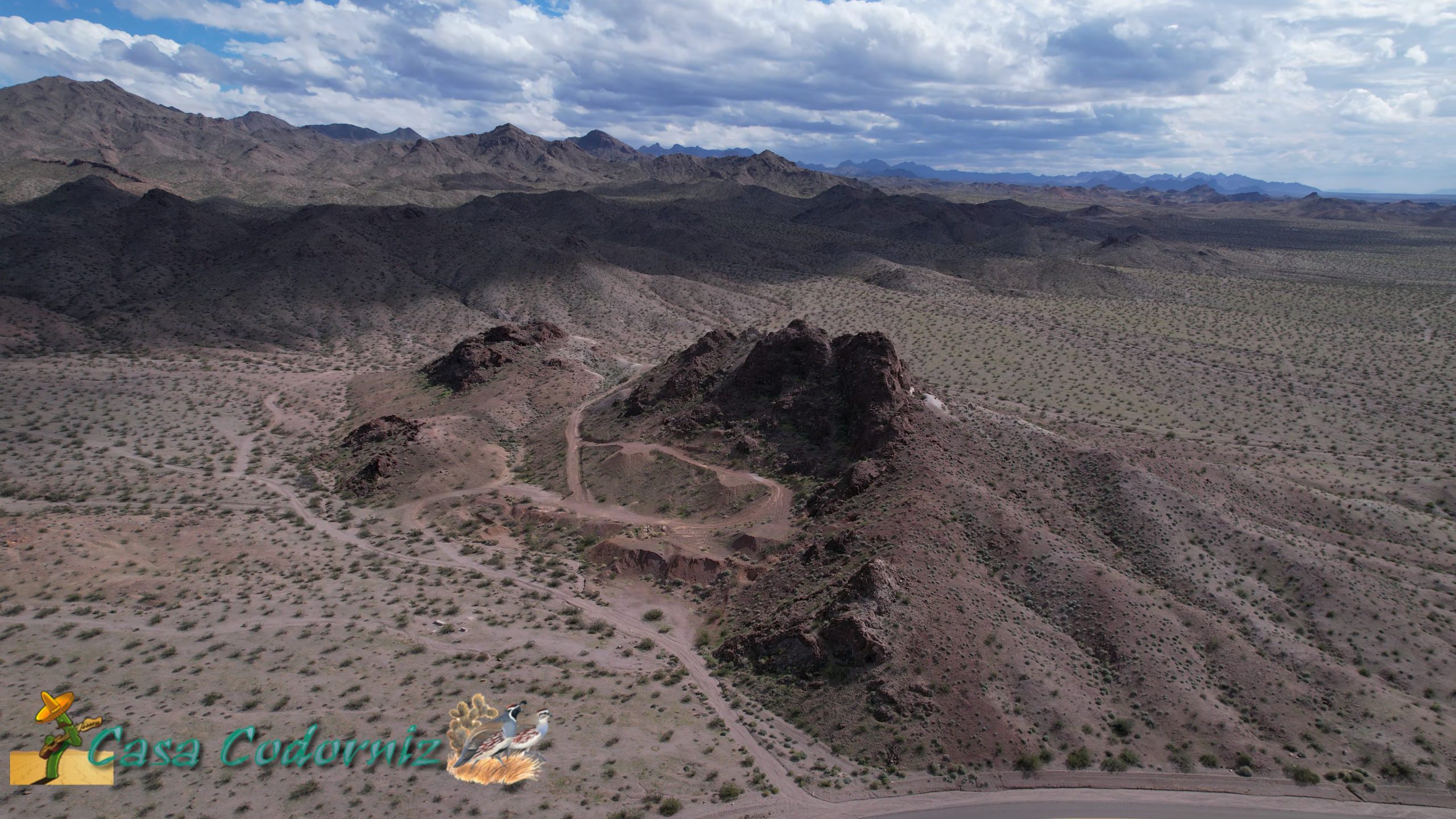
As Paulette continued her rounds, I took the opportunity to capture some establishing shots of the broader landscape. From our elevated position, portions of the Lake Mead National Recreation Area stretched away in a panorama of stark beauty—volcanic ridges, limestone outcrops, and the sinuous curve of Lake Mohave cutting through it all.
Having spent much of my career exploring these 1.5 million acres, I'd witnessed firsthand how the recreation area had changed over decades. Established in 1964 as America's first national recreation area, it had seen boom and bust cycles of visitation, fluctuating water levels, and shifting management priorities.
"You know what I appreciate about living inside the recreation area, Pat?" Paulette called over her shoulder as she moved toward her cluster of barrel cactus. "It's knowing this view won't get cluttered up with condos and casinos. What we see is what folks will still see a hundred years from now."
She wasn't wrong, though the view itself was changing in more subtle ways. The drought's effects on Lake Mohave and Lake Mead had exposed shorelines unseen for generations, while shifting climate patterns were slowly altering which plants thrived and which struggled. As a photographer and videographer chronicling these landscapes, I'd found myself increasingly becoming a visual historian, documenting transitions that happened too slowly for casual visitors to notice.
"Remember when the water came all the way up to that rock outcropping?" I asked, pointing to a limestone formation now standing nearly thirty feet above the current shoreline.
Paulette nodded.
I panned my camera slowly across the exposed shoreline, capturing the bathtub ring of mineral deposits that marked higher water levels of decades past. These visual records of change were part of what drove my photography—the need to bear witness to a landscape in transition.
The Barrel Cactus: Nature's Compass
"These fellas need special attention," Paulette said as she approached a cluster of golden barrel cactus. Their ribbed, spherical bodies gleamed in the morning light, topped with crowns of stiff golden spines. "They're not native to the Mojave, so they need a bit more babying than the locals."
She knelt beside the largest specimen, a impressive globe nearly two feet in diameter that she'd named "Columbus" for its tendency to lean distinctly toward the south.
"Old timers used to call barrel cactus the 'compass cactus,'" I mentioned, focusing my camera on how the morning light caught the golden spines. "They tend to tilt southward as they grow, looking for maximum sun exposure."
Paulette smiled approvingly. "Exactly right. Jose used to joke that you could never get lost in the desert as long as you could find a barrel cactus. Not entirely accurate, but there's some truth to it."
She measured out the smallest portion of water yet for these cacti, explaining that their thick, waxy skin and globular shape evolved specifically to minimize water loss. "Overwater these beauties and they'll rot from the inside out. Desert justice is swift for the overgenerous gardener."
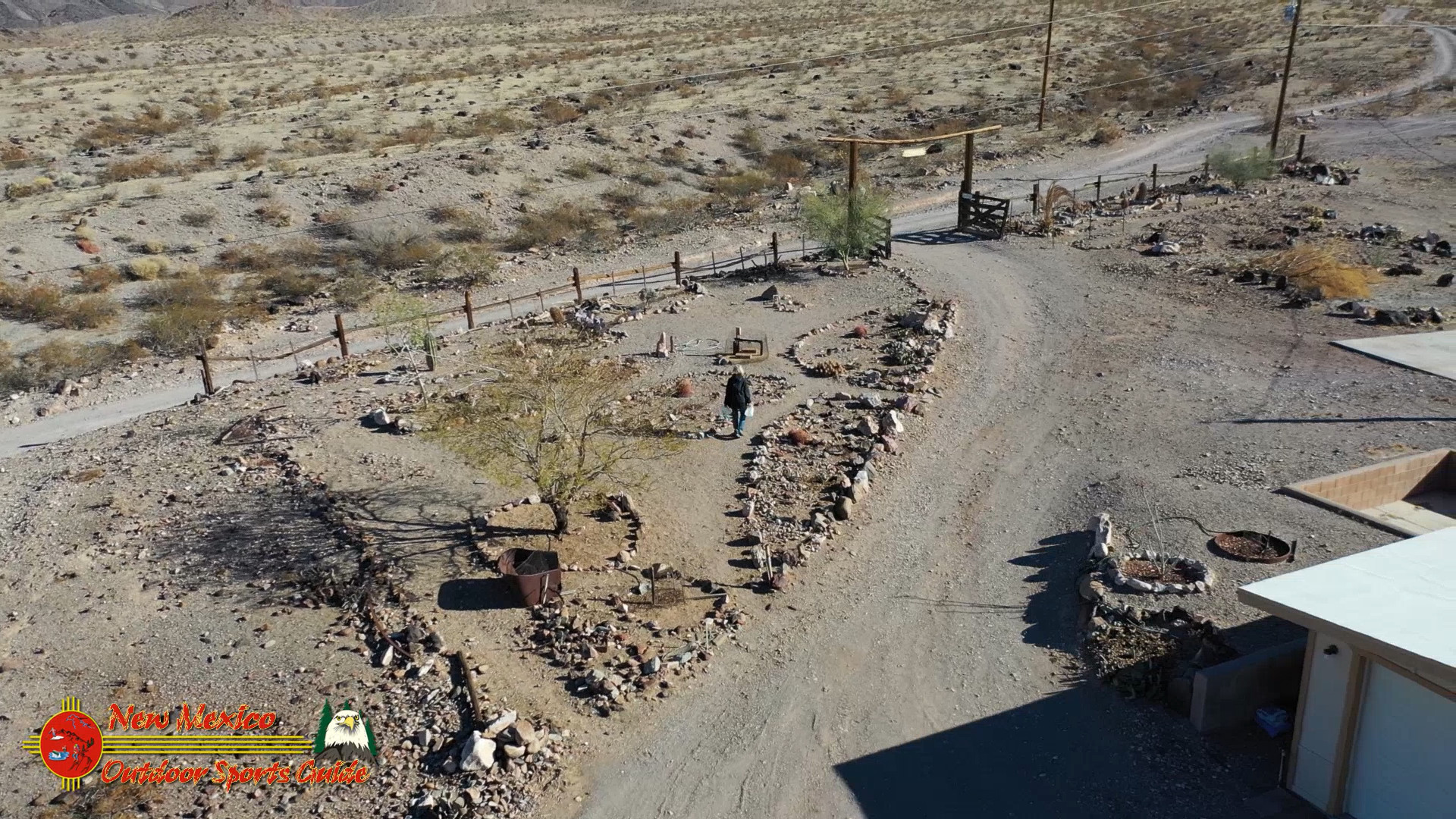
I zoomed out to capture Paulette in her element—this knowledgeable caretaker with her deliberate movements and intimate understanding of each plant's needs. The scene embodied something essential about the relationship between humans and the Mojave Desert—respect, adaptation, and careful stewardship rather than domination.
Morning's End: Light and Legacy
As the morning advanced, the quality of light shifted from the cool blues of dawn to the warmer golds of day. Paulette had nearly completed her rounds, the milk jugs considerably lighter now as she approached the garden's western edge, where a row of recently planted cholla cuttings represented her newest additions.
"These little ones get just a few drops," she explained, demonstrating with a careful tilt of her jug. "Too much kindness kills a young cactus faster than neglect."
I captured this final act of her morning ritual, focusing on how the water droplets caught the light as they fell from the jug's narrow spout to the sandy soil. In that simple action lay decades of accumulated wisdom about desert gardening—knowledge passed down through generations and refined through personal experience.
"Well, that's it for today," Paulette announced, straightening with her empty jugs. "Next watering won't be for another two weeks, unless we get a surprise rain." She glanced skyward at the cloudless blue expanse with the perpetual hopefulness of all desert dwellers.
I lowered my camera, satisfied with the morning's footage. "Got some beautiful shots today. That light on the lake with your garden in the foreground—can't buy that kind of composition."
Paulette smiled, her face a map of sunlines earned through a lifetime outdoors. "You've been documenting this little patch for what, twelve years now? Must have hours of footage of an old woman pouring water on stubborn plants."
"Going on thirteen years," I corrected. "And it's more than that. It's a record of something special—how people and the Mojave Desert can live together when there's respect flowing both ways."
She nodded, understanding. We stood for a moment in companionable silence, looking out over Lake Mohave's shimmering surface to the rugged Arizona shoreline beyond. The breeze carried the faint call of a canyon wren, that descending cascade of notes that has accompanied my desert wanderings for seven decades now.
"Jose used to say we don't really own this piece of land," Paulette said finally. "We're just its current caretakers. The garden was here before us in different forms, and it'll be here after, changed again."
I thought of all the landscapes I'd photographed over my long life—alpine meadows in the Sangre De Christo Mountains, river bends along the Colorado, countless desert sunrises and sunsets. How many of those places had changed, sometimes beyond recognition? The photos and videos remained as witnesses, telling stories of what was, what changed, and perhaps offering wisdom for what might yet be.
"That's why I keep filming," I said. "Figure somebody ought to keep track of how things are, so folks in the future can see what they came from."
Paulette gathered her empty jugs and nodded toward my camera. "Well then, Paddy, you keep on with your picture-taking. And I'll keep watering my garden, for as long as these old knees hold out."
I watched her walk back toward her ranch-style home, its walls glowing warm against the desert morning. Then I turned to capture one final wide shot of the scene—the garden in its entirety, the lake beyond, and the vast Mojave Desert stretching away under the endless sky.
In the viewfinder, I could see the story of resilience written in every carefully tended cactus, every measured drop of precious water, and in the determined figure of Paulette herself—all of us temporary but essential characters in the Mojave's ancient, ongoing tale.
0 Comments