
There's something about the desert that keeps calling me back. After seven decades of exploring the American Southwest, you'd think I'd have seen it all. But that's the magic of these lands – they're always revealing new secrets to those patient enough to look. Today's adventure would take me into a hidden canyon in Arizona's Black Mountains, a place where wild burros still roam free and ancient springs whisper tales of times long past.
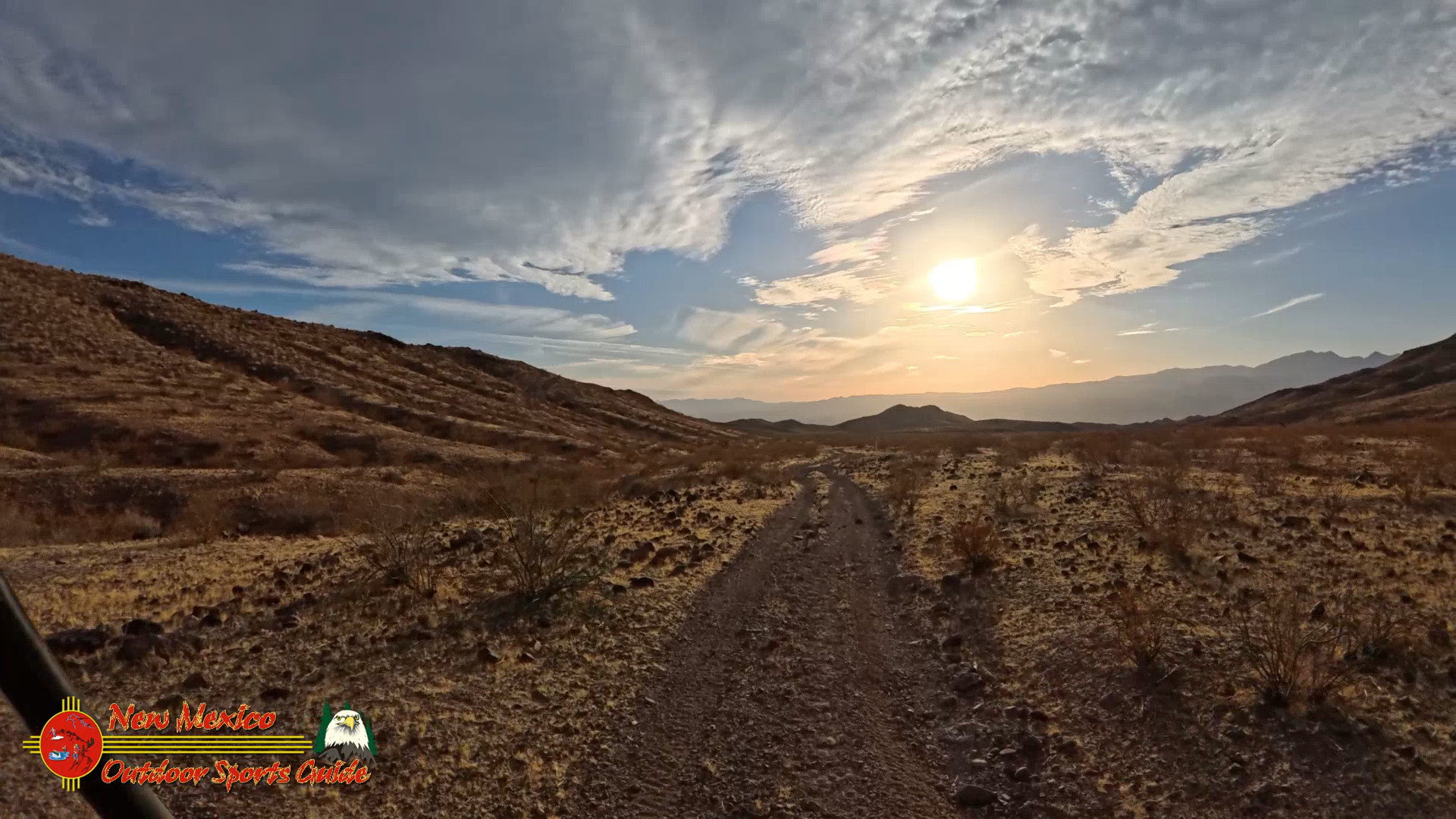
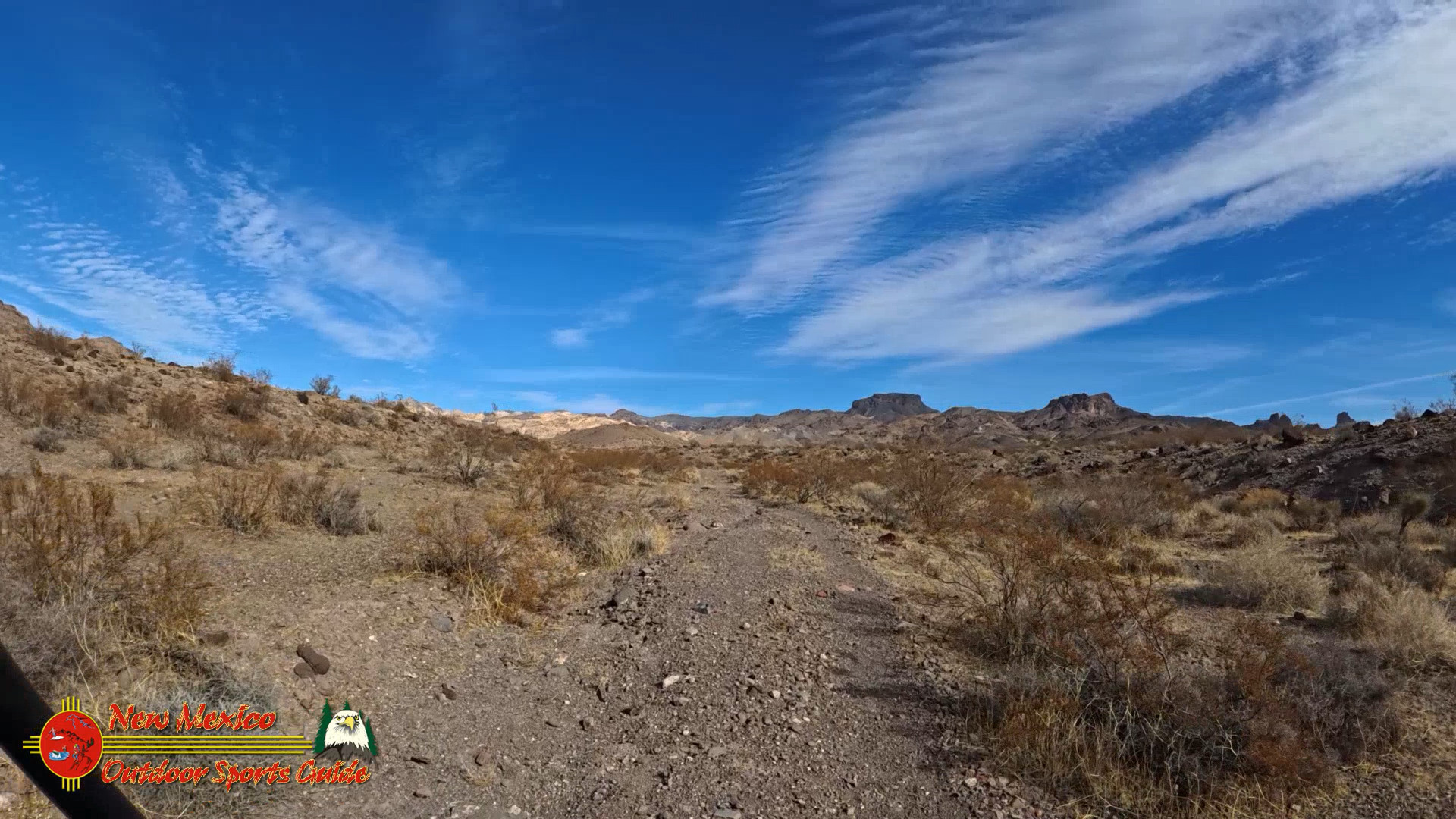
The morning sun was already warming the desert air as I fired up my trusty Yamaha Rhino. This old side-by-side UTV has been my faithful companion on countless adventures, its familiar rumble a comfort as I navigate the rugged terrain. The temperature gauge on my dash showed a perfect 72 degrees – ideal conditions for a desert hike. Above me, patches of white clouds drifted lazily across an impossibly blue sky, nature's own art gallery on display.
The Rhino's tires crunched over loose rocks as I made my way toward the canyon entrance. My camera gear bounced gently in its padded case beside me, ready to capture whatever moments the desert might offer up today. After all these years behind the lens, I've learned that the best photographs aren't just about composition and light – they're about patience and being present in the moment.
As I rounded the final bend before the canyon mouth, movement caught my eye. There, not thirty yards ahead, stood four wild burros – living remnants of the area's mining history. I killed the engine and reached slowly for my camera. The lead burro, a graying jenny with wise eyes, regarded me with mild curiosity. These descendants of abandoned pack animals have adapted perfectly to desert life, their presence a testament to nature's resilience.
Through my viewfinder, I watched as they moved unhurriedly across the wash, their hooves leaving delicate prints in the sand. These are the moments I live for – when the modern world falls away, and you can imagine yourself back in a time when the West was still wild and untamed. The burros disappeared around a bend, but their presence had set the perfect tone for the day's exploration.
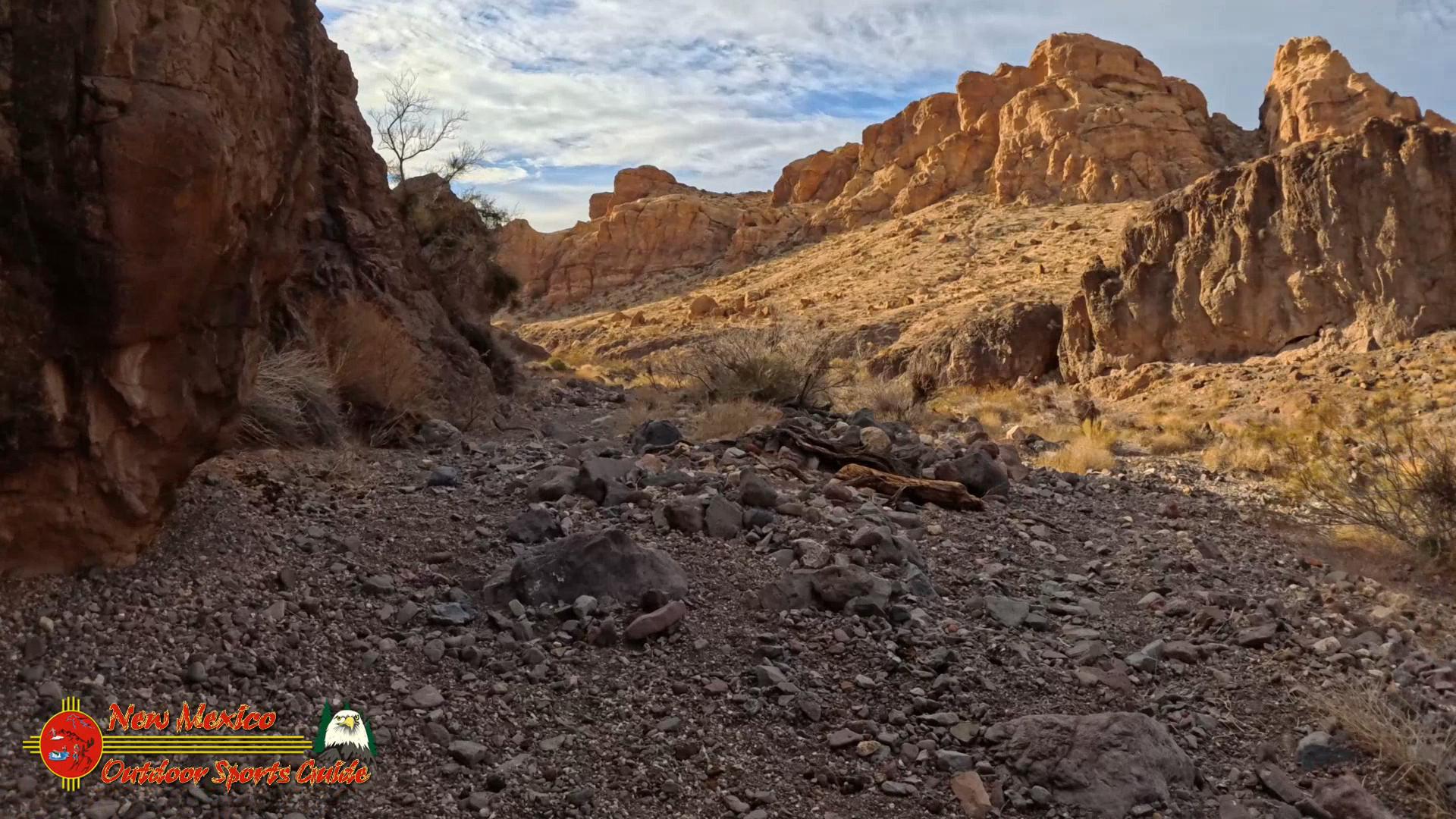
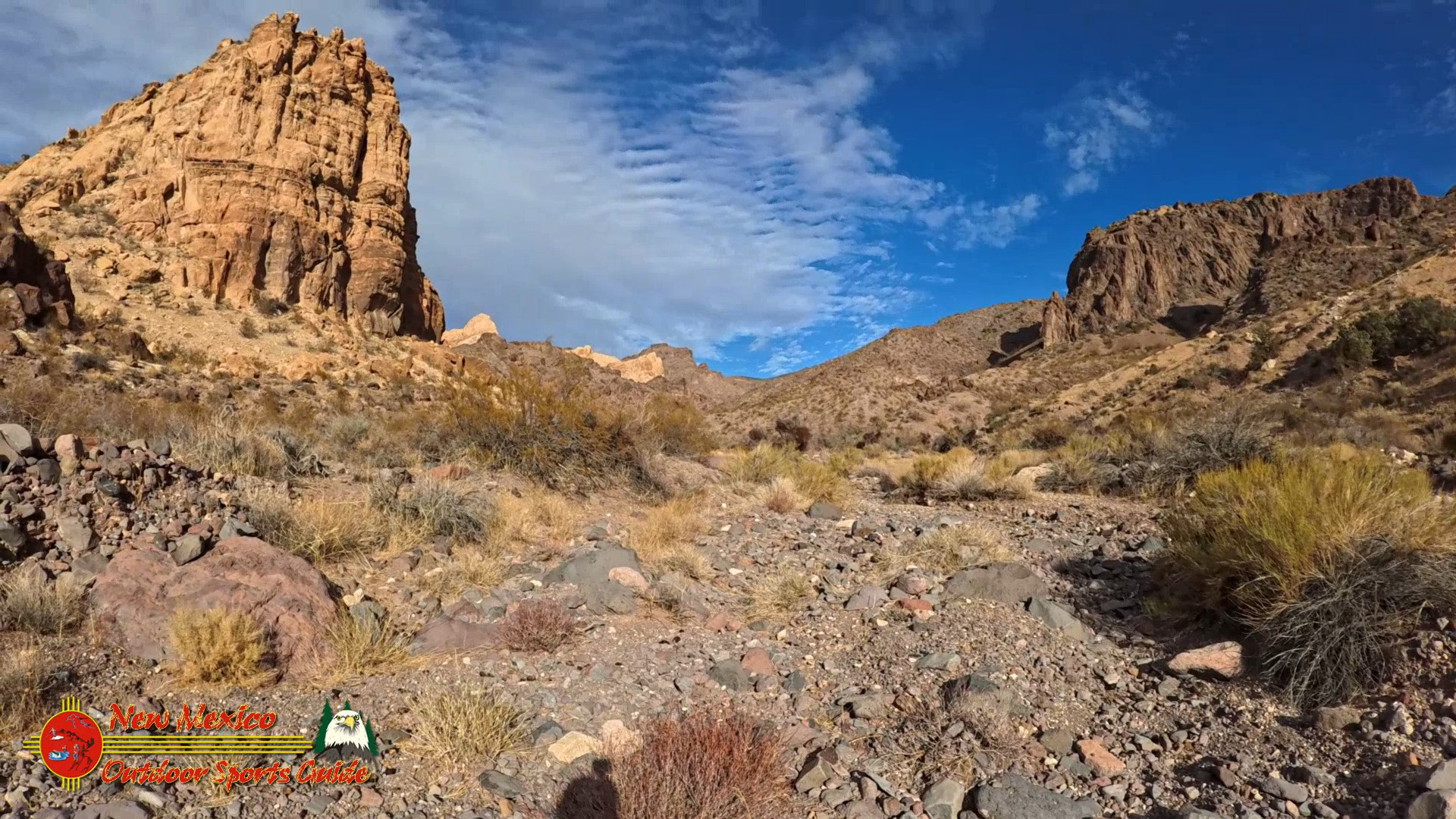
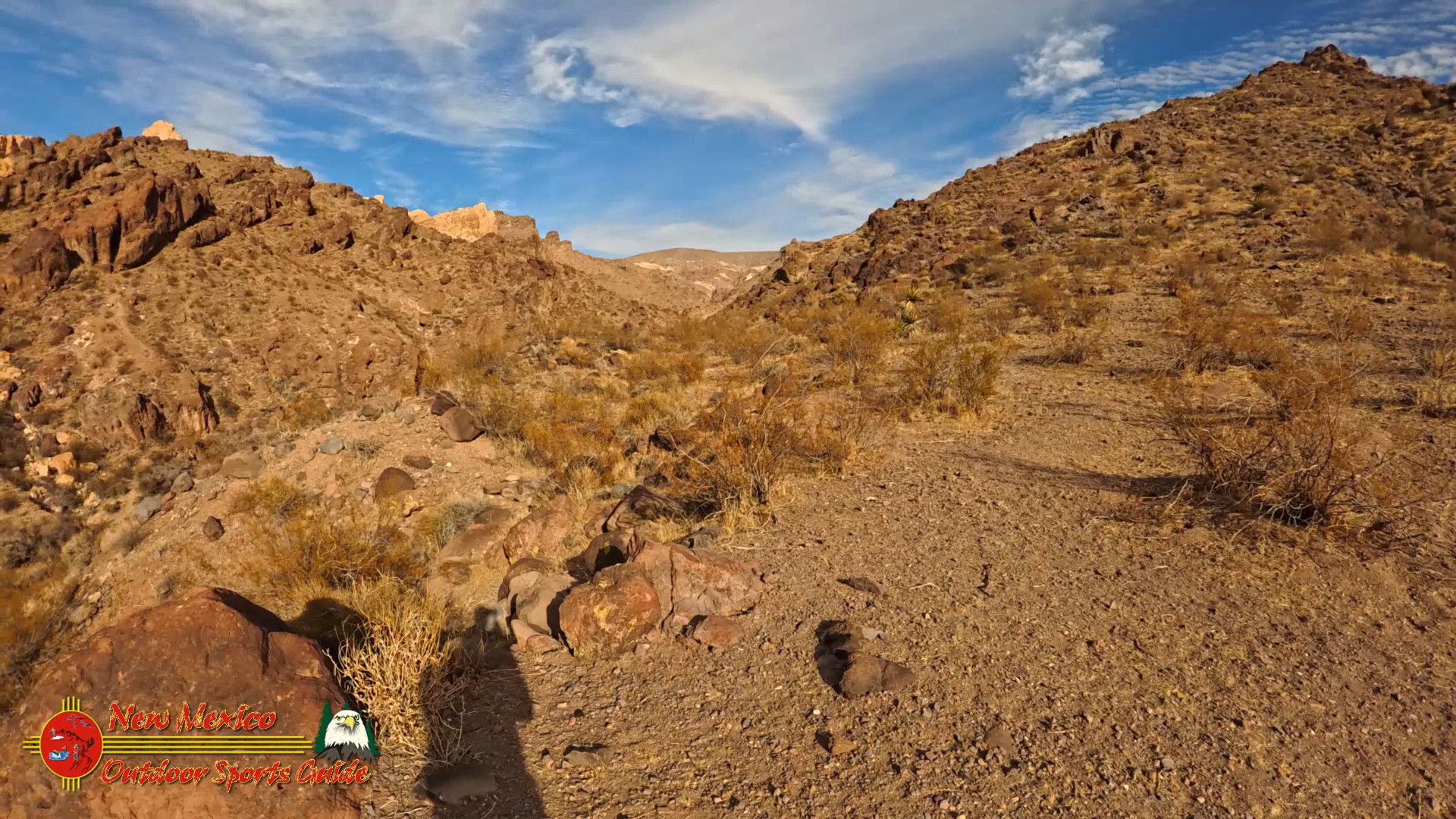
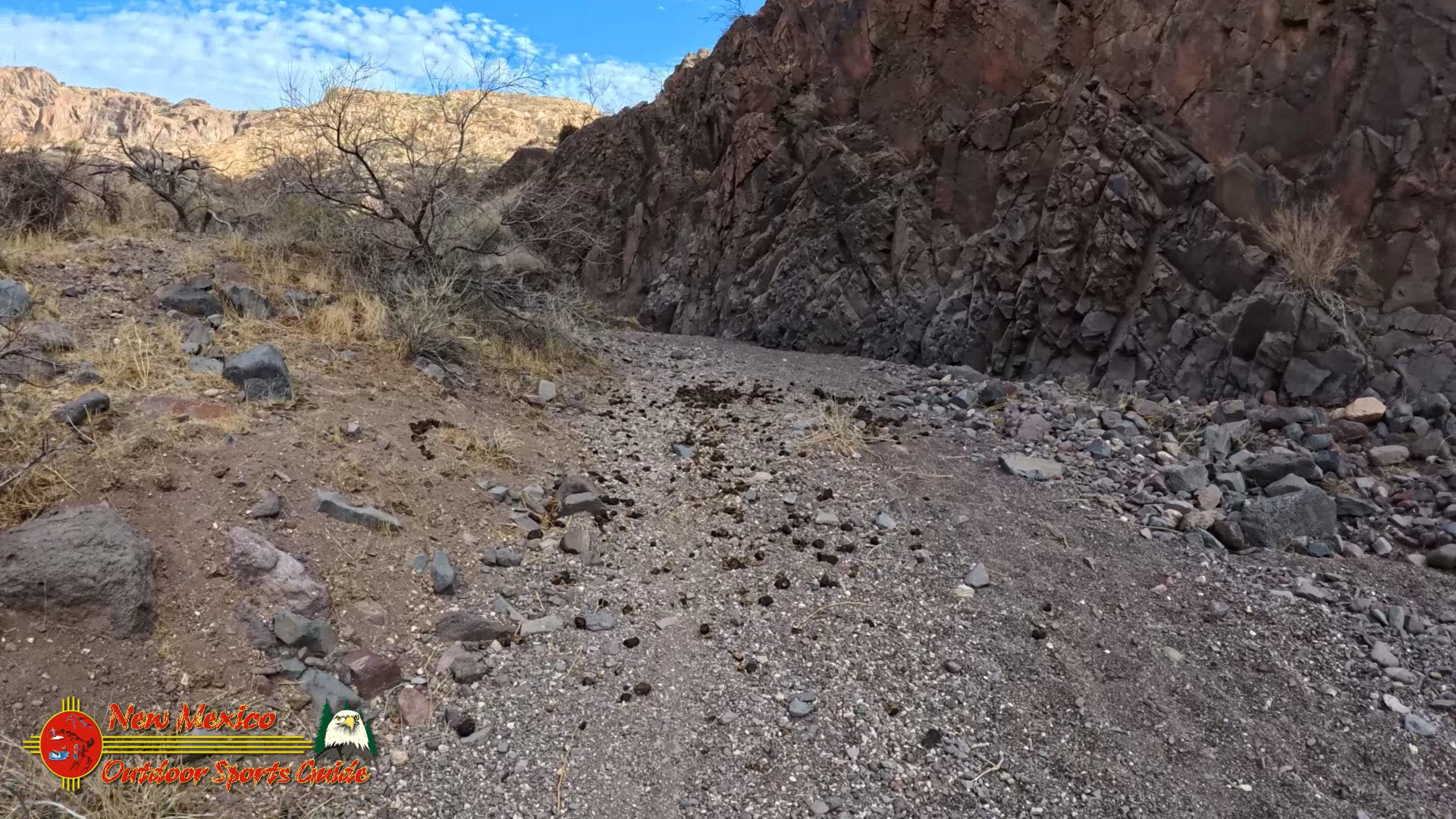
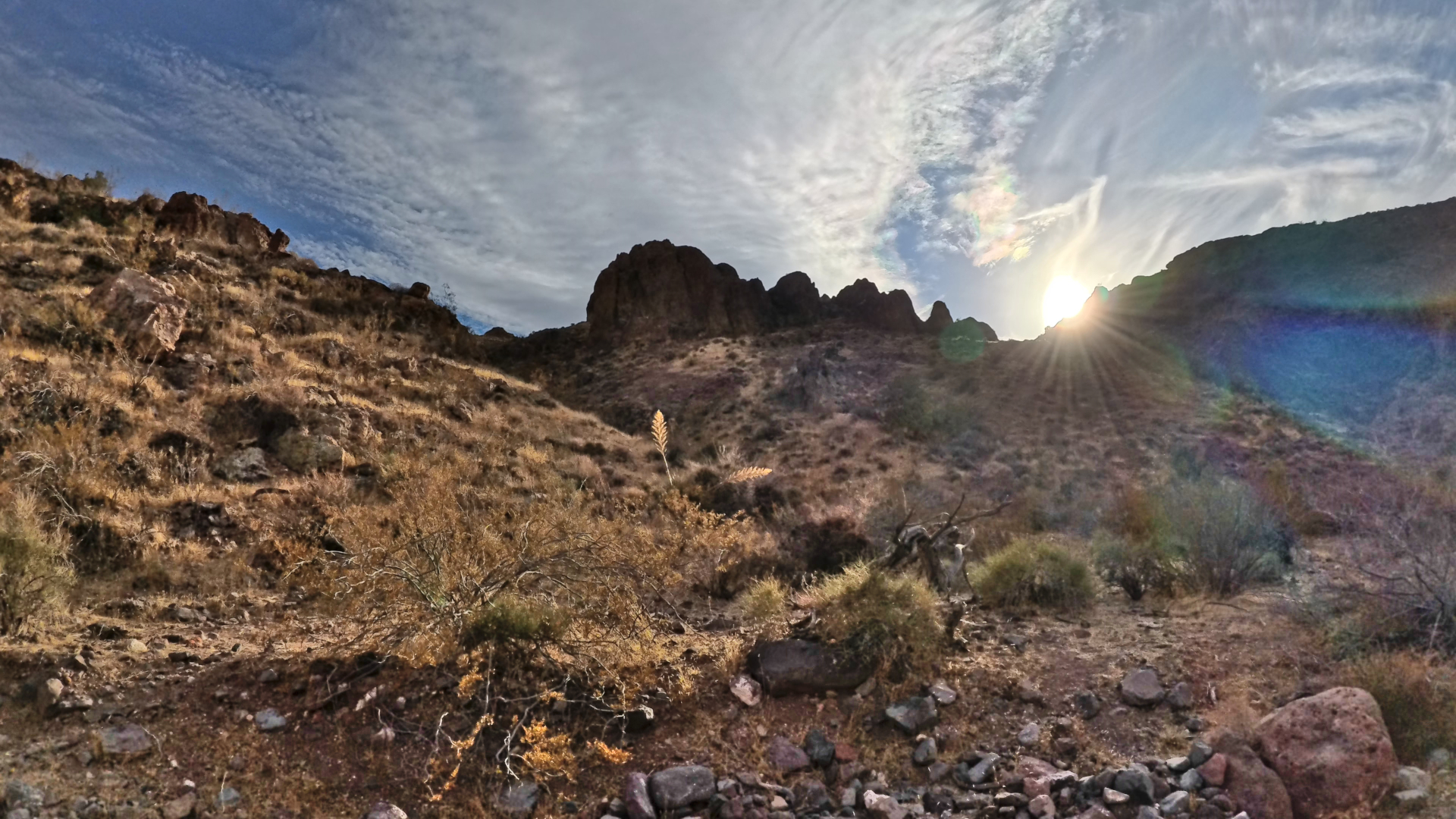
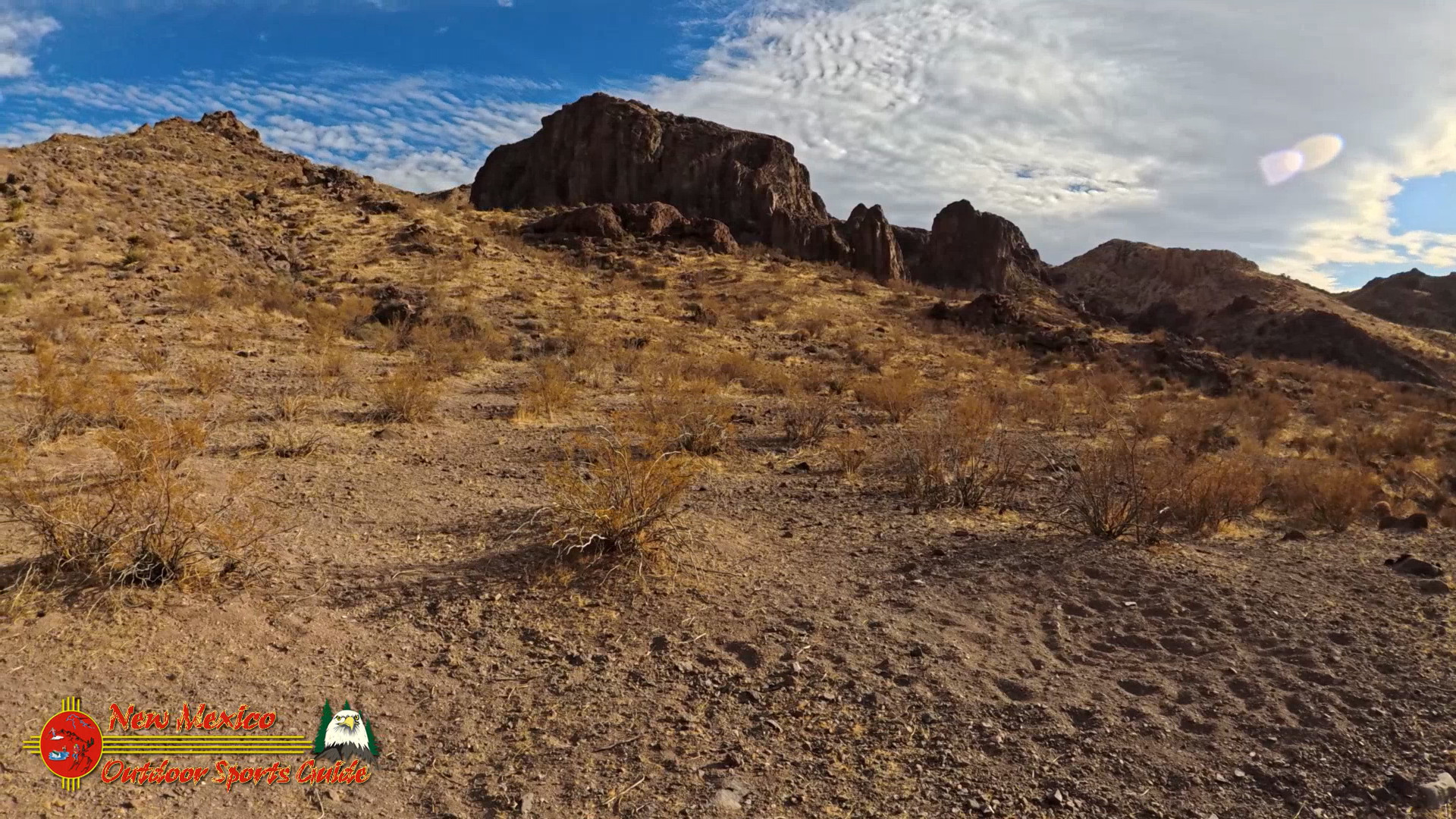
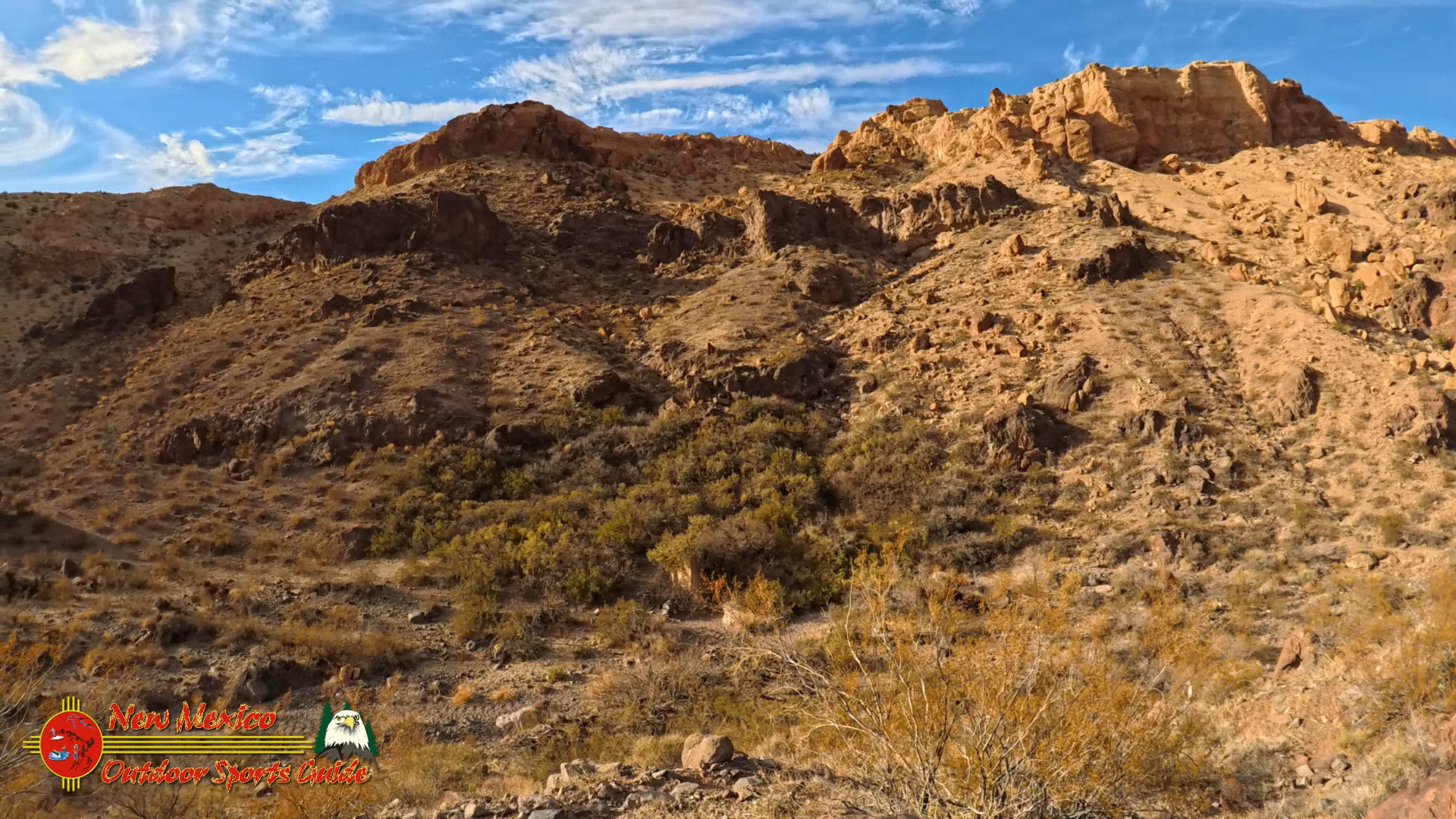
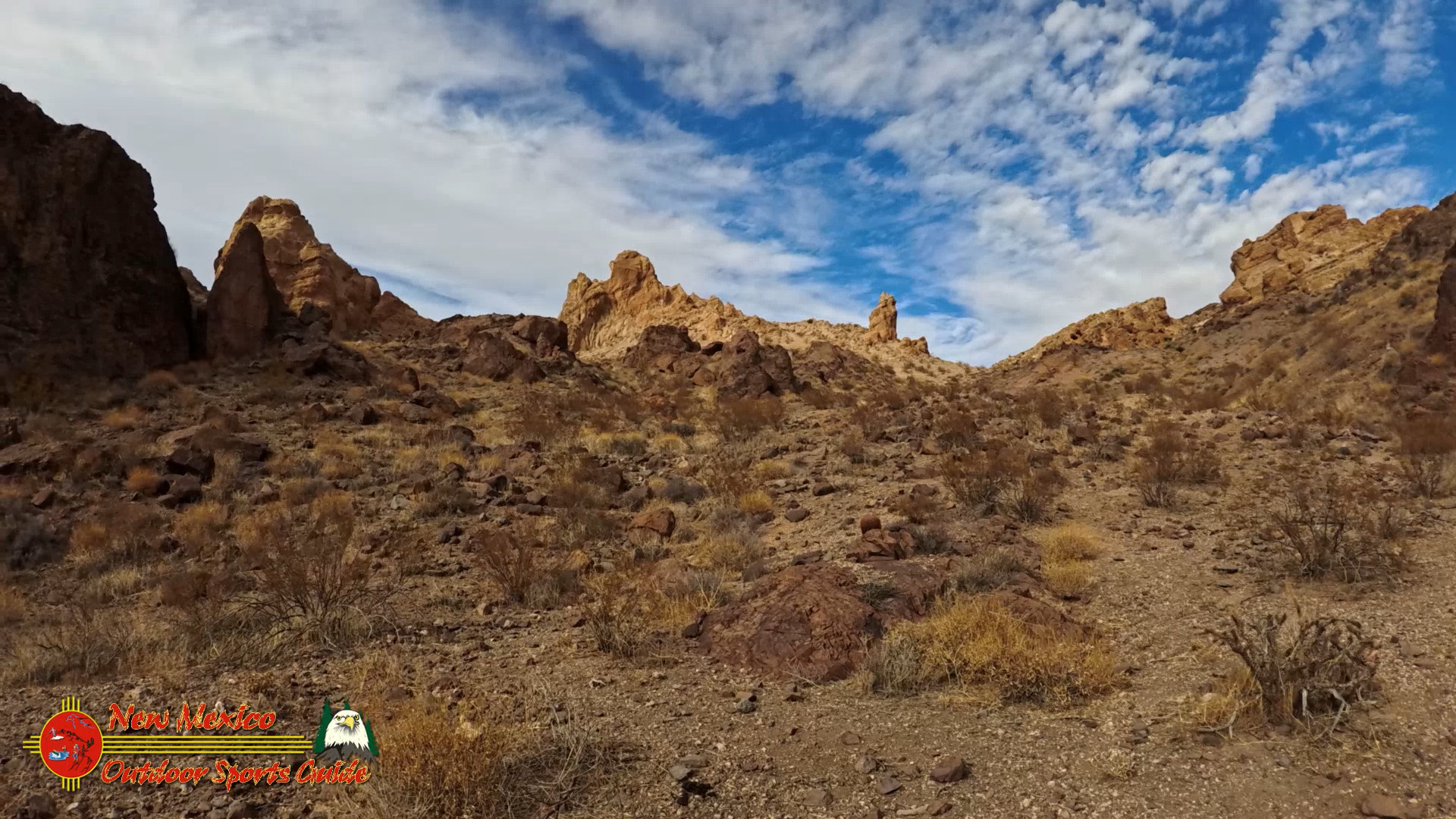
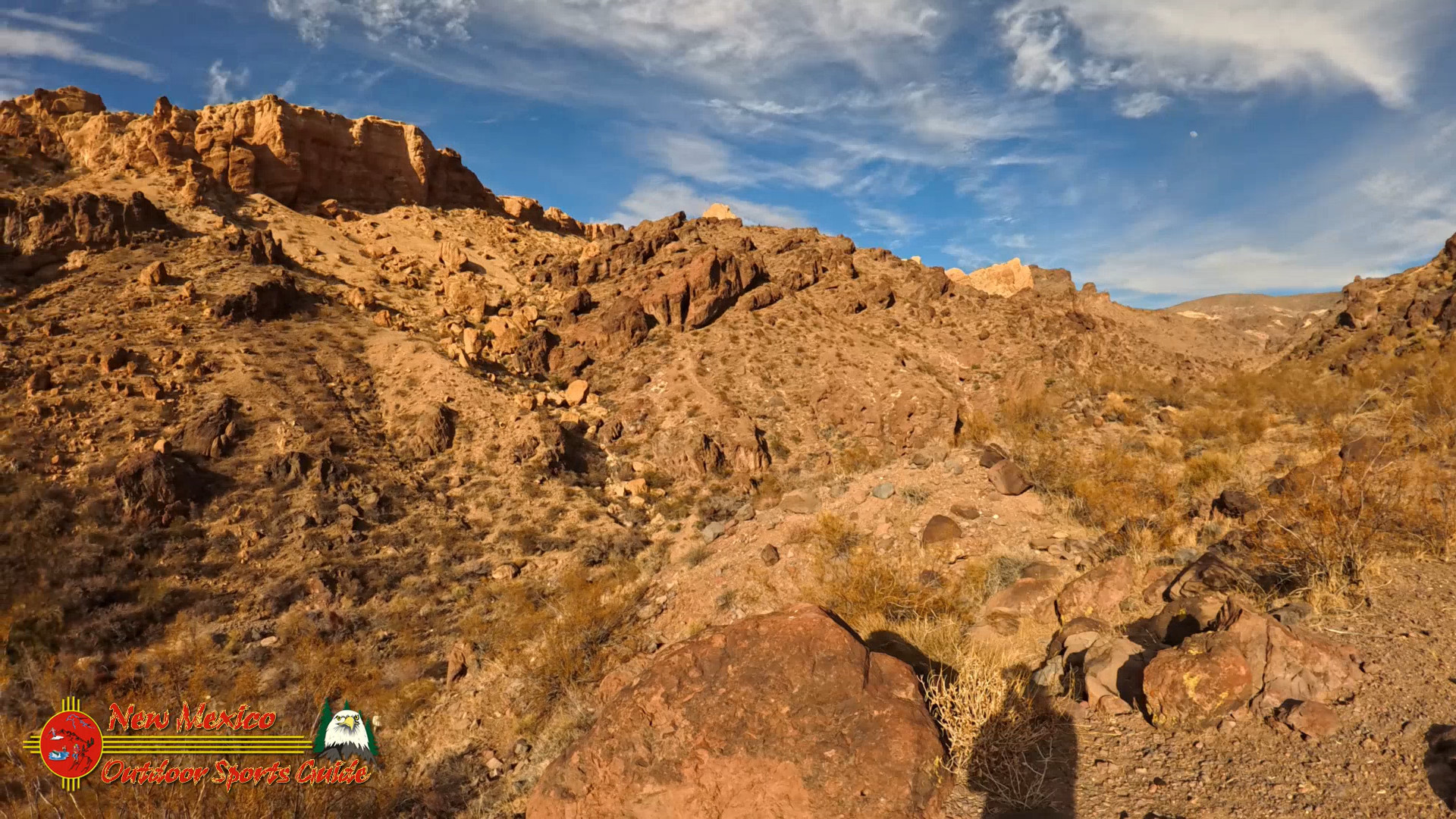
Parking the Rhino in a shaded spot, I shouldered my daypack and started up the canyon on foot. The walls rose dramatically on either side, their stratified layers telling a story millions of years in the making. The afternoon light played across the rock faces, bringing out brilliant hues of red, orange, and purple. Each layer represented a different chapter in Earth's history, and I've spent countless hours photographing these natural canvases.
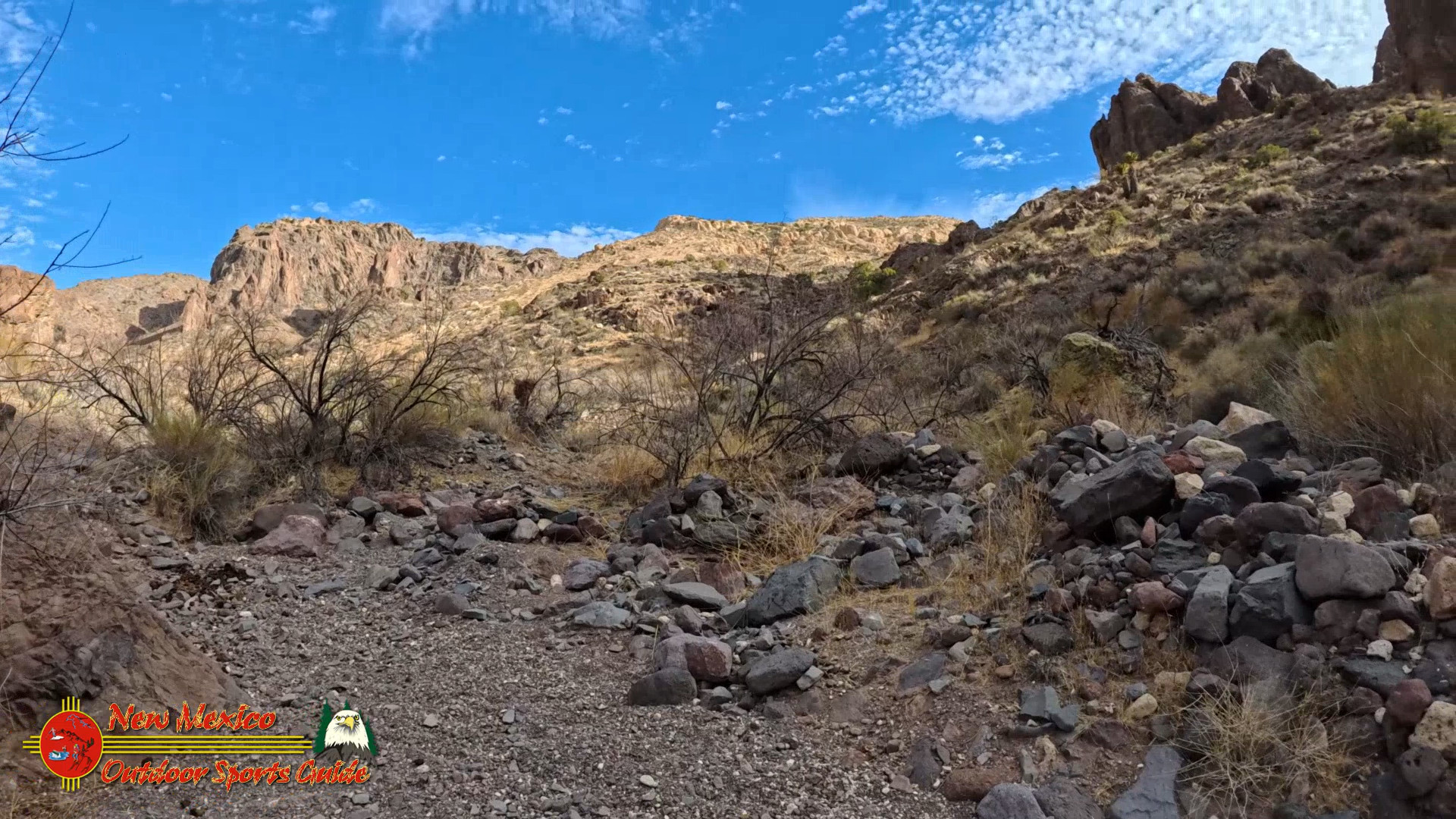
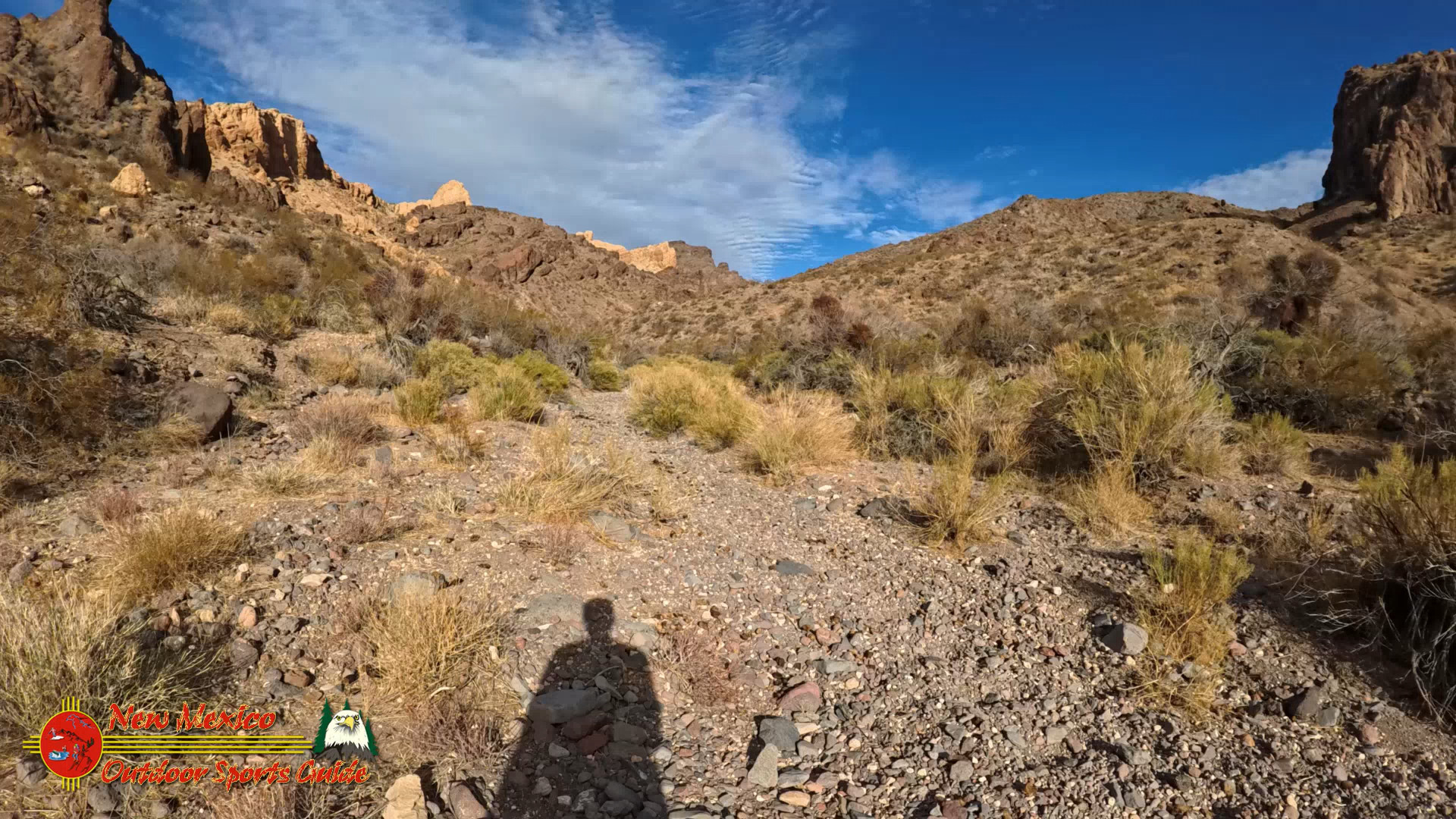
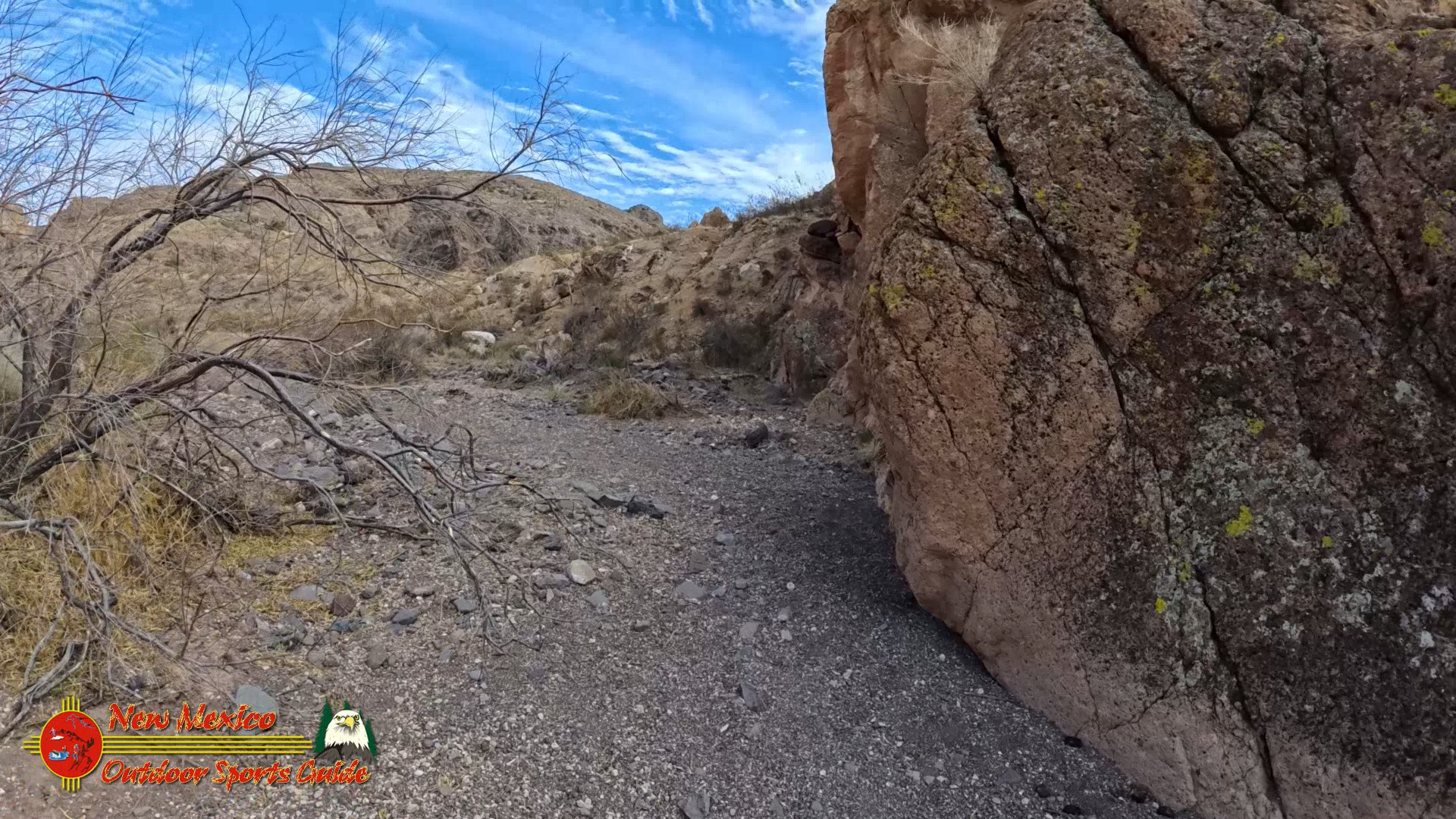
The canyon floor was a maze of boulders, some as big as pickup trucks, tumbled down from the cliffs above during ancient floods. Years of experience have taught me to read these washes like a book. Each boulder placement, each bend in the canyon holds clues about water flow and safe passage. Today, the wash was bone dry, but the smooth-worn rocks spoke of the tremendous forces that shaped this landscape.
Cat claw acacia reached out from the canyon walls, their thorny branches a reminder to stay alert. These hardy plants are well-named – many a careless hiker has learned the hard way about their sharp hooks. But they're also crucial to this ecosystem, providing shelter for small birds and fixing nitrogen in the poor desert soil.
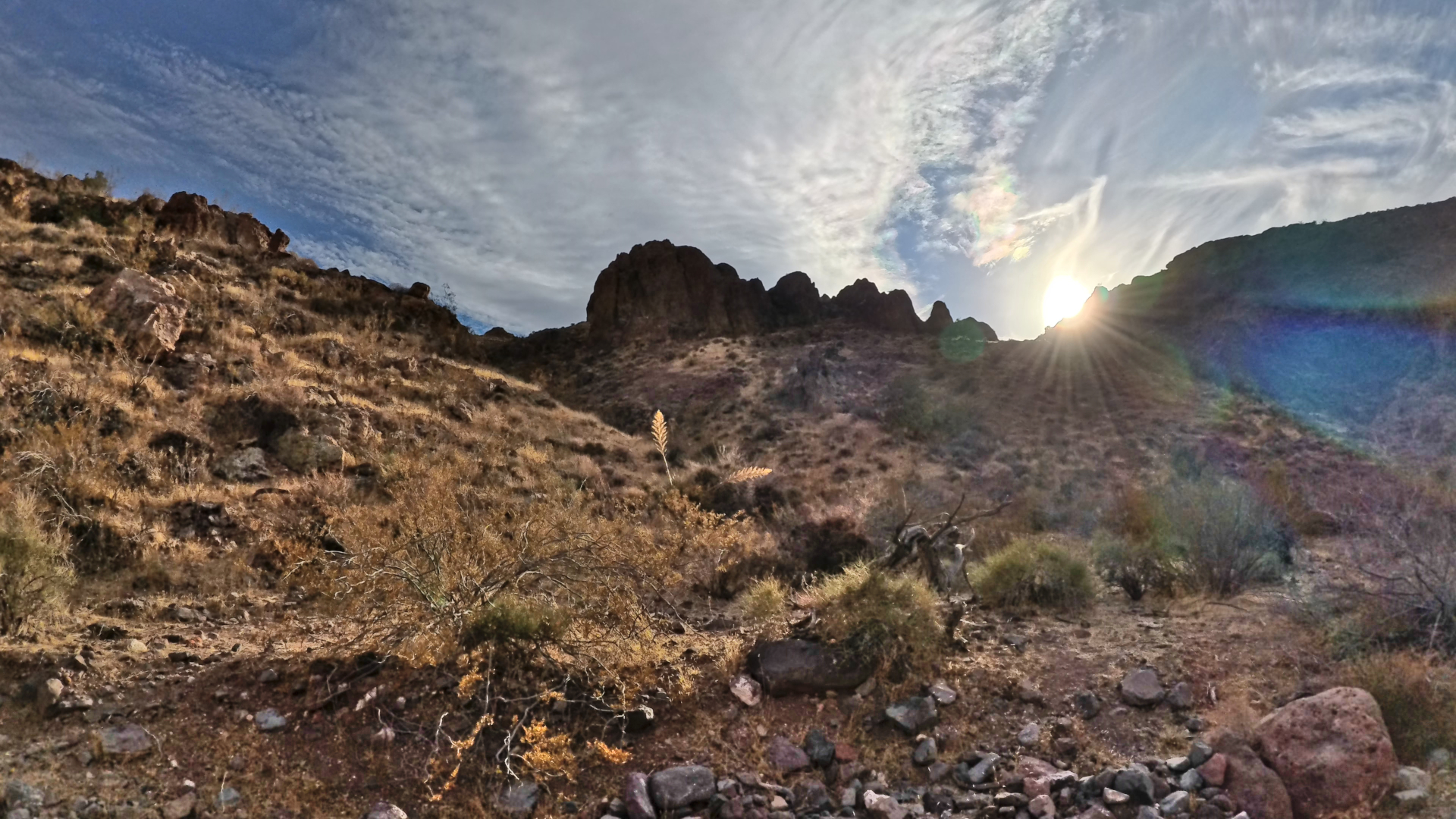
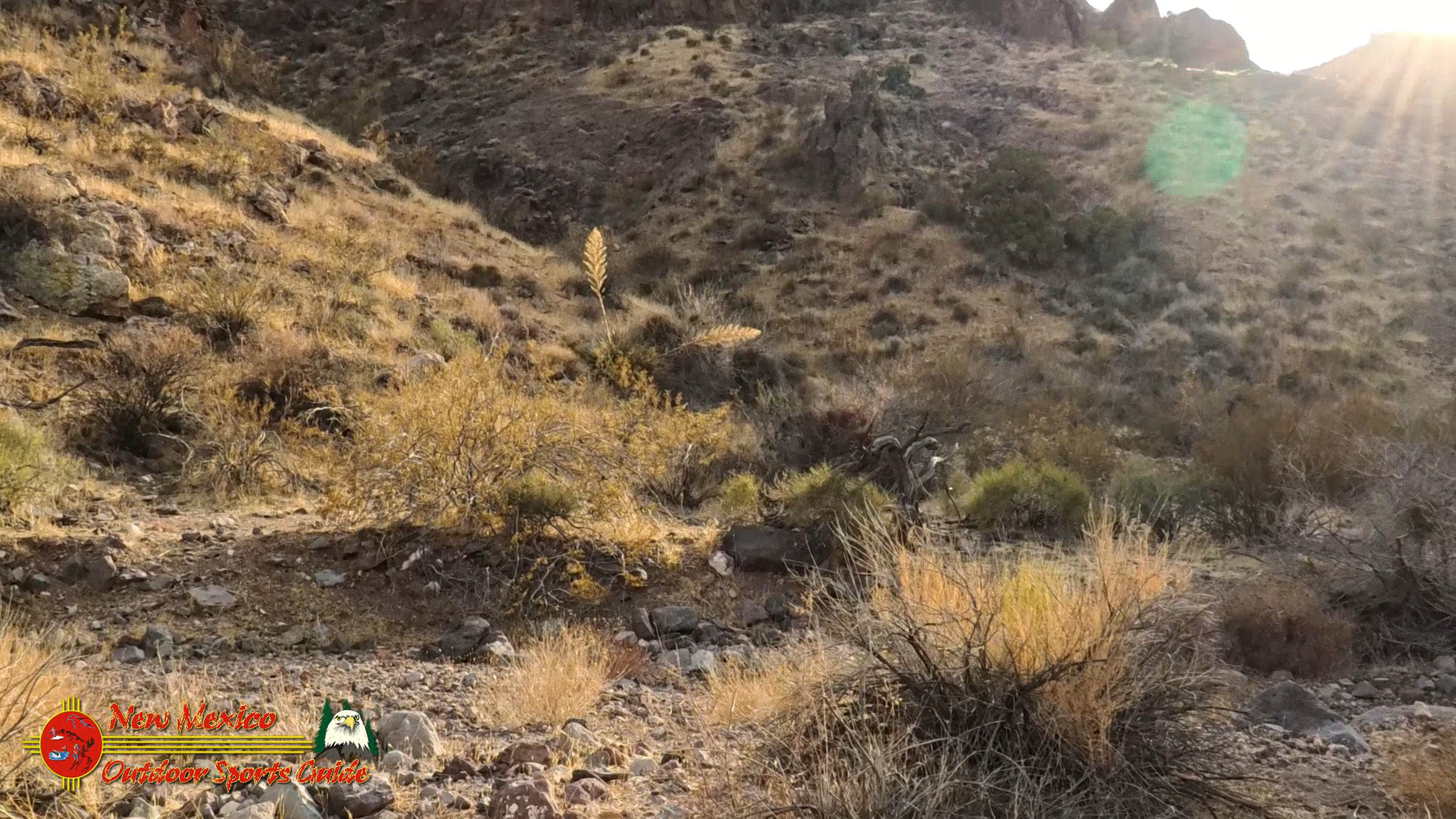
About an hour into my hike, a splash of white caught my eye. There, standing proud against the rocky backdrop, was a lone yucca in full bloom. Its tall stalk reached skyward, decorated with dozens of creamy white flowers. I spent a good twenty minutes capturing this desert beauty through my lens, trying to do justice to the contrast between its delicate blooms and the rugged surroundings.
The yucca's presence was a reminder of the desert's remarkable ability to support life. These plants, which the native peoples once used for food, fiber, and soap, are perfectly adapted to the harsh conditions. Their deep roots tap into hidden water sources, while their thick leaves store precious moisture for the dry times.
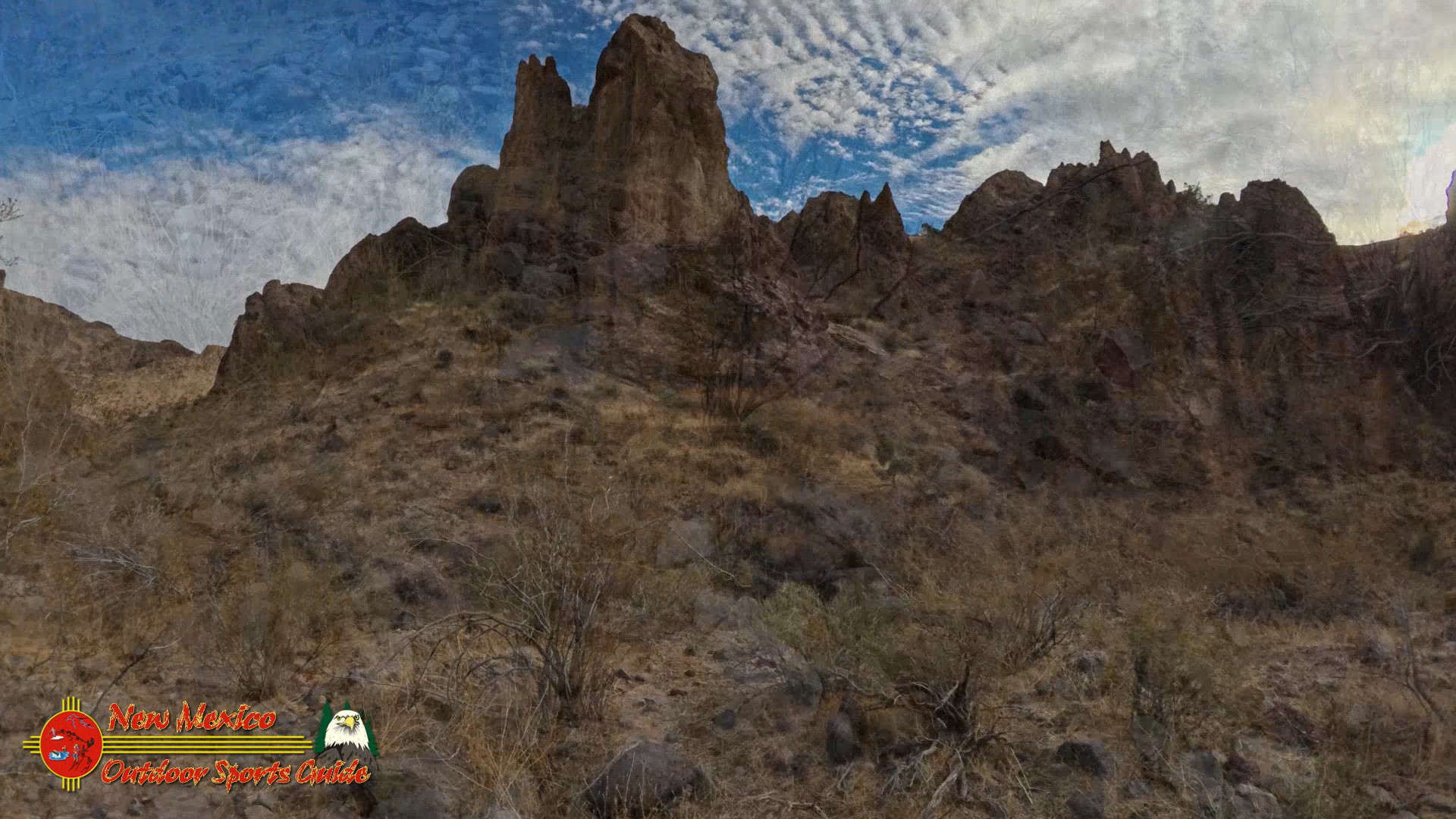
As the afternoon wore on, I pushed deeper into the canyon. The walls grew higher, sometimes reaching up to 500 feet or more, creating a natural cathedral of stone. The play of light and shadow across these surfaces is a photographer's dream, changing minute by minute as the sun traces its arc across the sky.
After navigating a particularly challenging section of the boulder-strewn wash, I came upon an old rock cairn marking a desert spring. These stone markers, some dating back to the early prospectors, are vital navigational aids in this harsh landscape. The spring itself was little more than a damp spot today, but green vegetation around its base proved it was still active.
I settled down in the shade of an overhanging rock to rest and have a drink from my canteen. The silence of the desert is never really silence – if you listen carefully, you can hear the soft whisper of the wind, the distant call of a red-tailed hawk, the rustle of a lizard moving through dry grass. These are the sounds that have accompanied me on countless adventures over the decades.
As the afternoon began to wane, I knew it was time to head back. The return journey in the desert is always different – new details emerge as the light changes, familiar landmarks take on different aspects. The lowering sun painted the canyon walls with even more intense colors, and I stopped frequently to capture these fleeting moments with my camera.
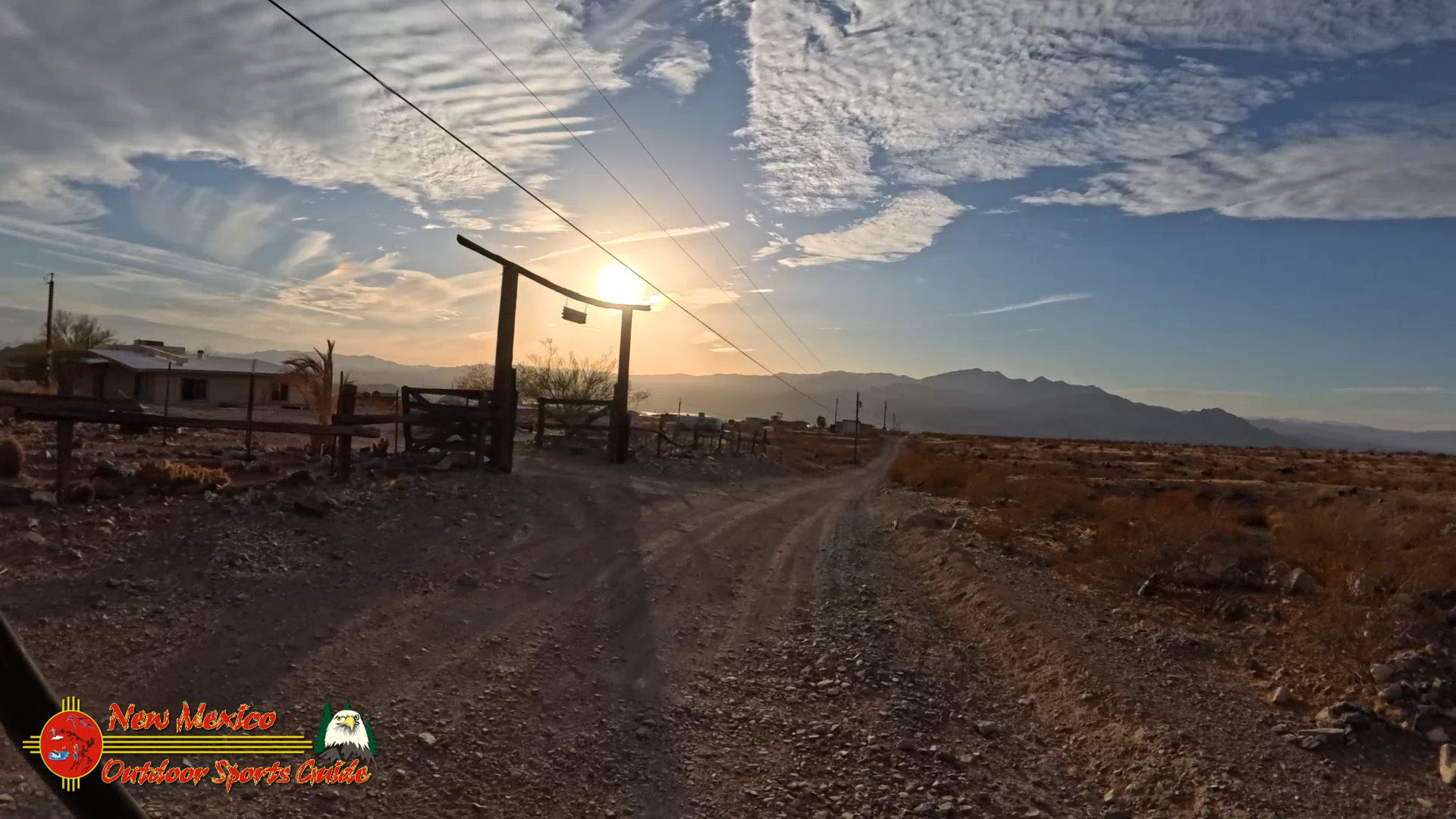
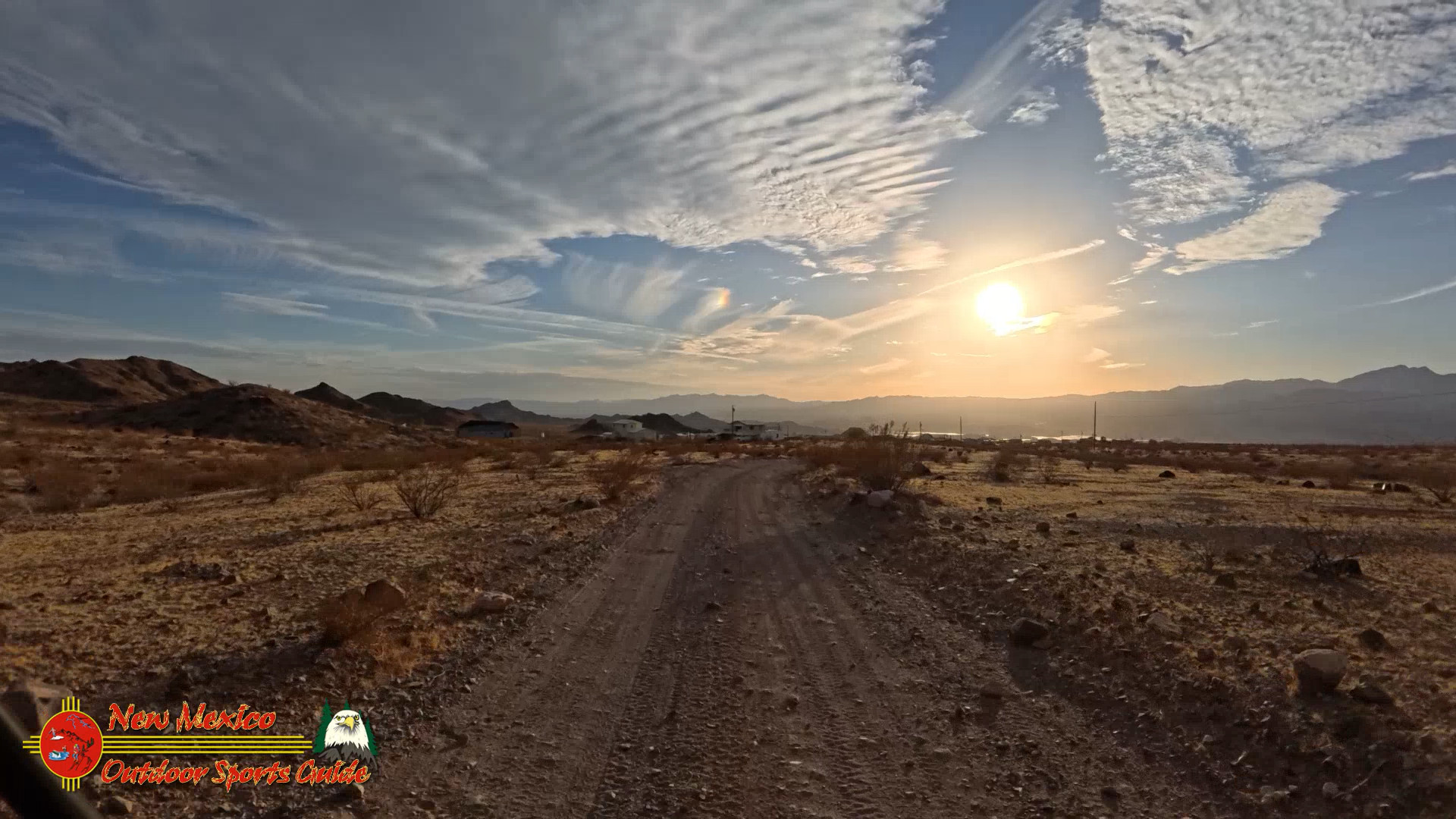
Back at the Rhino, I secured my gear and pointed the UTV toward home. The ride back was a meditation in itself, watching Spirit Mountain silhouetted against the setting sun. The old mining roads twisted through the desert landscape like silver ribbons, leading me back to my cabin overlooking Lake Mohave.
From my deck that evening, I reviewed the day's photographs on my camera's screen. Each image brought back memories not just of today's adventure, but of countless others over the years. The desert has been my teacher, my challenge, and my inspiration. Through my lens, I've tried to capture not just its physical beauty, but its spirit – that ineffable quality that keeps drawing people back to these wild places.
For those considering their own desert hiking adventures, here are a few hard-learned tips:
Never underestimate the importance of water. Even on mild days, the dry air can quickly dehydrate you. I always carry more than I think I'll need.
Study the weather forecast carefully. Flash floods can occur even when no rain is visible in your immediate area.
Let someone know your planned route and expected return time. The desert's beauty can be deceptive – it's still a wilderness that demands respect.
Carry basic emergency supplies, including a first aid kit, map, compass, and emergency shelter. Cell phone coverage is spotty at best in these remote areas.
Take time to observe and understand the wildlife. From burros to bighorn sheep, each animal's behavior can tell you something about the environment you're in.
As I sit here writing this, watching the last light fade from the sky and the first stars appear over Lake Mohave, I'm already planning my next expedition. That's what the desert does to you – it gets in your blood. Each journey reveals new mysteries, new possibilities for photographs, new stories to tell.
After all these years, I've learned that hiking the Arizona desert isn't just about reaching a destination. It's about connecting with a landscape that has remained largely unchanged for millennia. It's about finding those perfect moments when light, landscape, and life come together in ways that take your breath away. Most of all, it's about maintaining that sense of wonder that first drew me to these wild places so many years ago.
Whether you're an experienced hiker or someone just beginning to explore the desert's mysteries, the Black Mountains have something to offer. Just remember to approach them with respect, patience, and an open heart. The desert's lessons come slowly, but they're worth every step of the journey.
[Author's Note: All photographs mentioned in this blog post are available in my online gallery, where you can experience the full beauty of Arizona's desert landscapes through my lens.]
0 Comments