
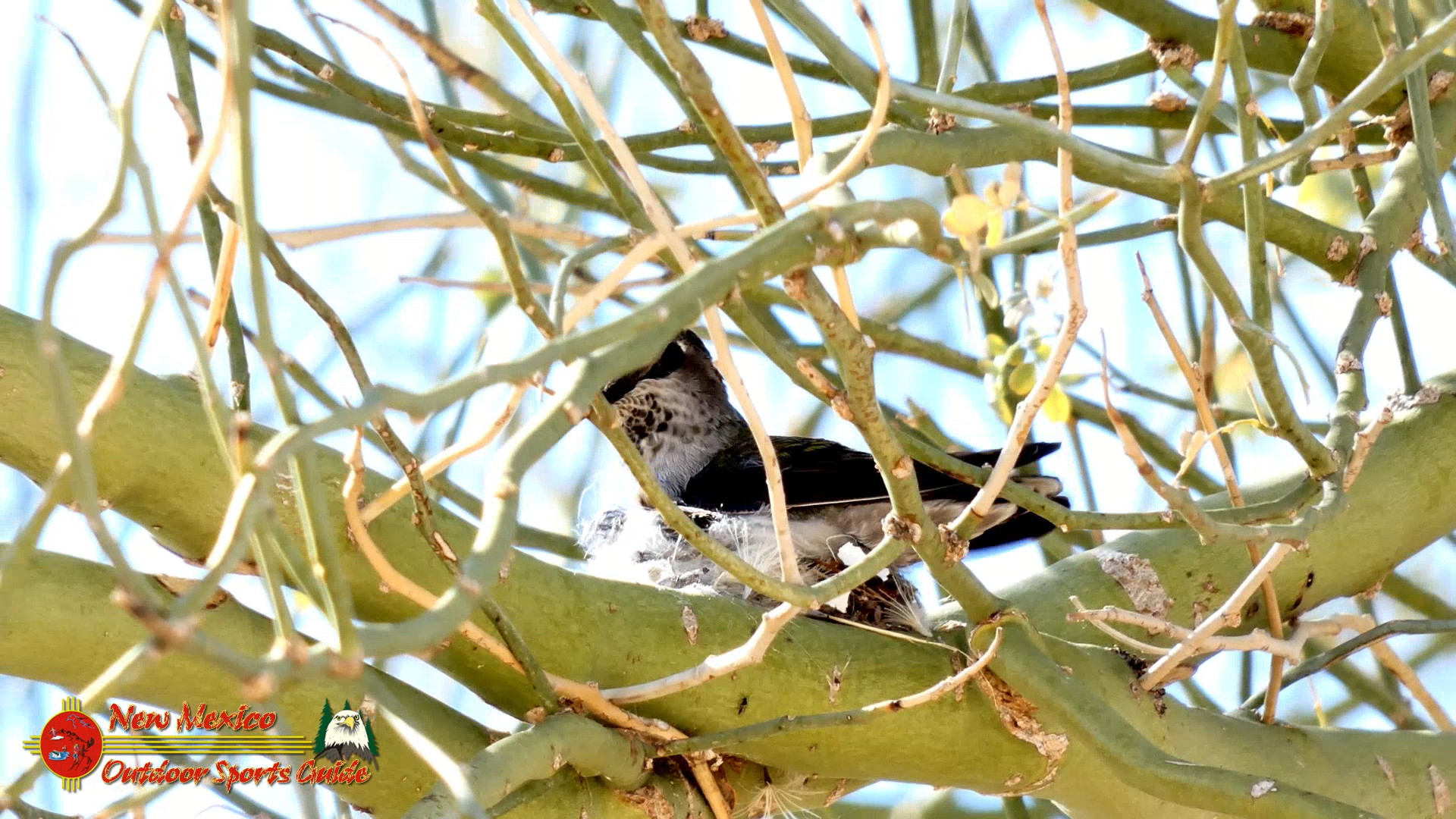
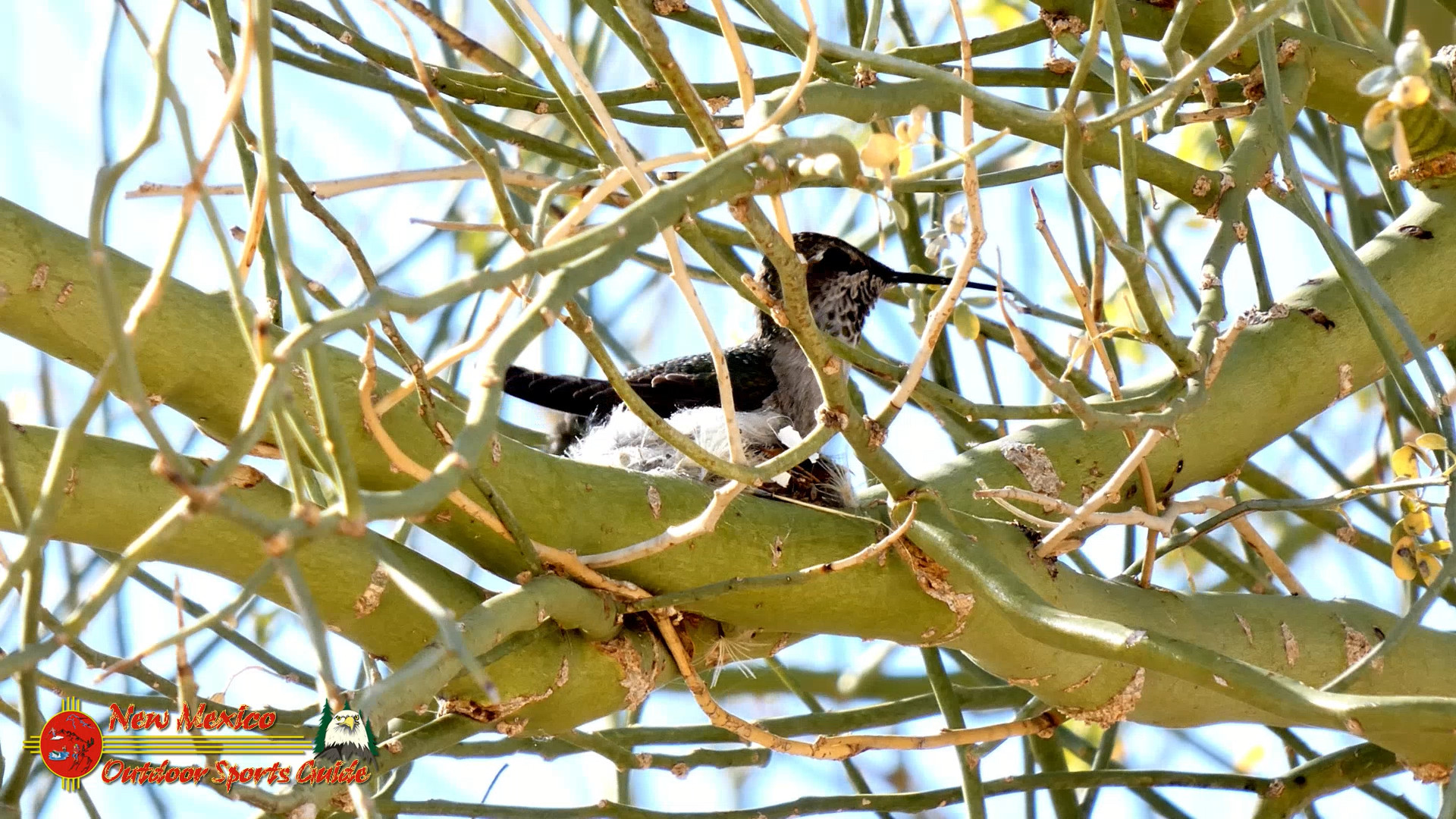
There's something about watching a hummingbird build its nest that takes me back to my childhood days on our family ranch. Back then, I'd spend hours perched in the old cottonwoods along the creek, observing everything from eagles to field mice. But today, sitting here under the spreading canopy of a Palo Verde tree near Lake Mohave, I'm witnessing something even more special – a female Anna's Hummingbird crafting her tiny home.
The morning started like many others in the Lake Mead National Recreation Area. The thermometer on my truck read a perfect 72 degrees as I set up my camera gear, hoping to capture some shots of the desert wildflowers that carpet the terrain this time of year. The Palo Verde trees are about to bloom, their yellow flowers will create a golden canopy against the deep azure sky that seems to stretch endlessly over the Mojave Desert.
As I adjusted my tripod, a flash of iridescent green caught my eye – a female hummingbird, darting back and forth with purpose. Having spent over five decades photographing wildlife across the American Southwest, from the Colorado Rockies to the Sonoran Desert, I've learned to recognize when an animal is up to something interesting. This little lady was definitely on a mission.
The Palo Verde she chose couldn't have been more perfect. These trees, with their green bark and delicate leaves, are the masters of survival in our harsh desert environment. Their name, Spanish for "green stick," tells only part of their story. These trees can photosynthesize through their bark when drought forces them to shed their tiny leaves, making them the perfect shelter for desert wildlife. The particular branch she selected was about fifteen feet up, positioned just so – protected from the afternoon sun while offering a clear view of any approaching predators.
Setting up my 1200mm lens and settling into my camp chair, I prepared myself for what I knew would be a remarkable display of natural engineering. The breeze coming off Lake Mohave carried the scent of creosote and desert sage, while the distant Colorado River sparkled like diamonds in the midday sun. The same waters that carved the Grand Canyon now create this oasis in the desert, drawing wildlife from miles around.
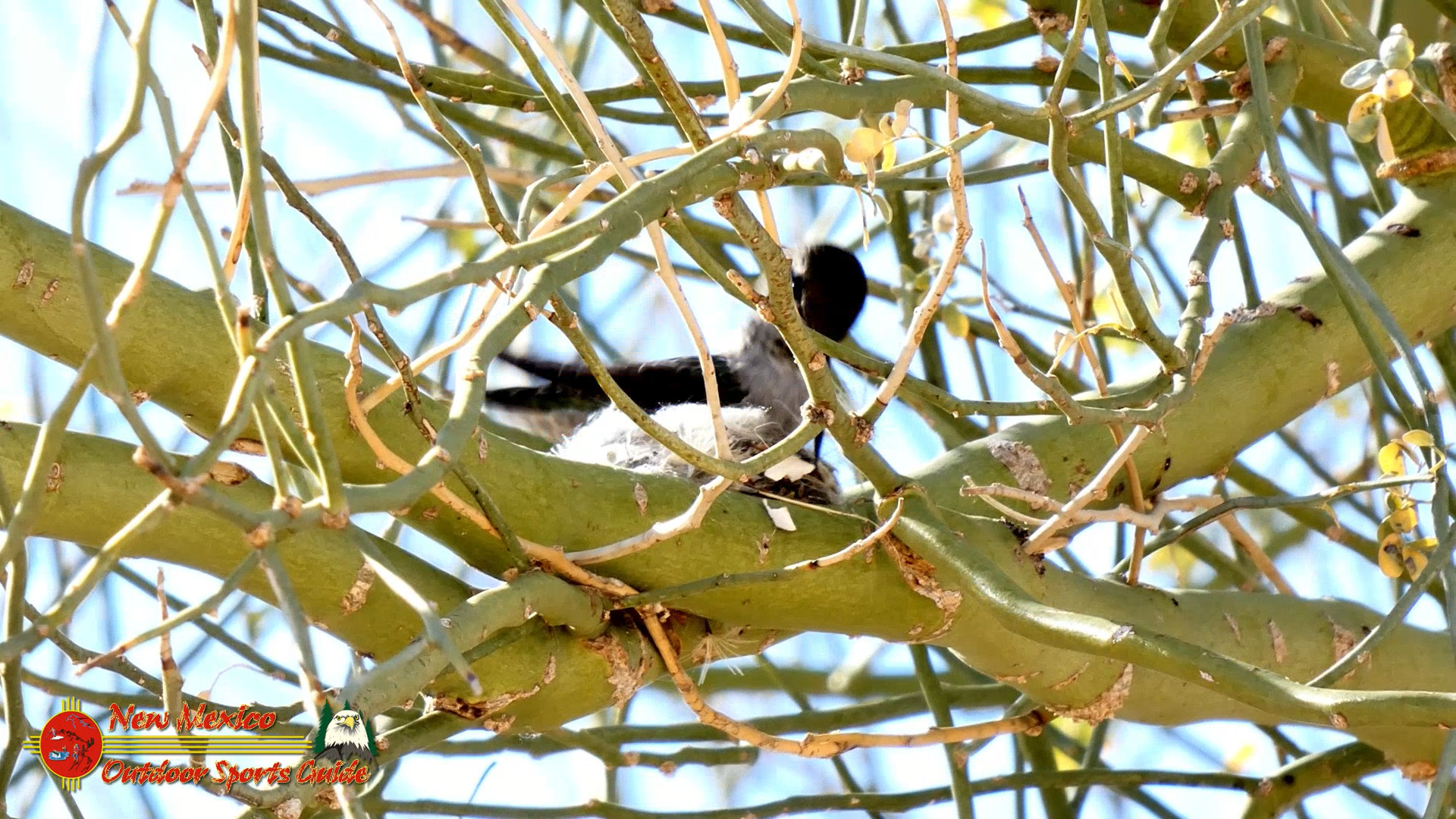
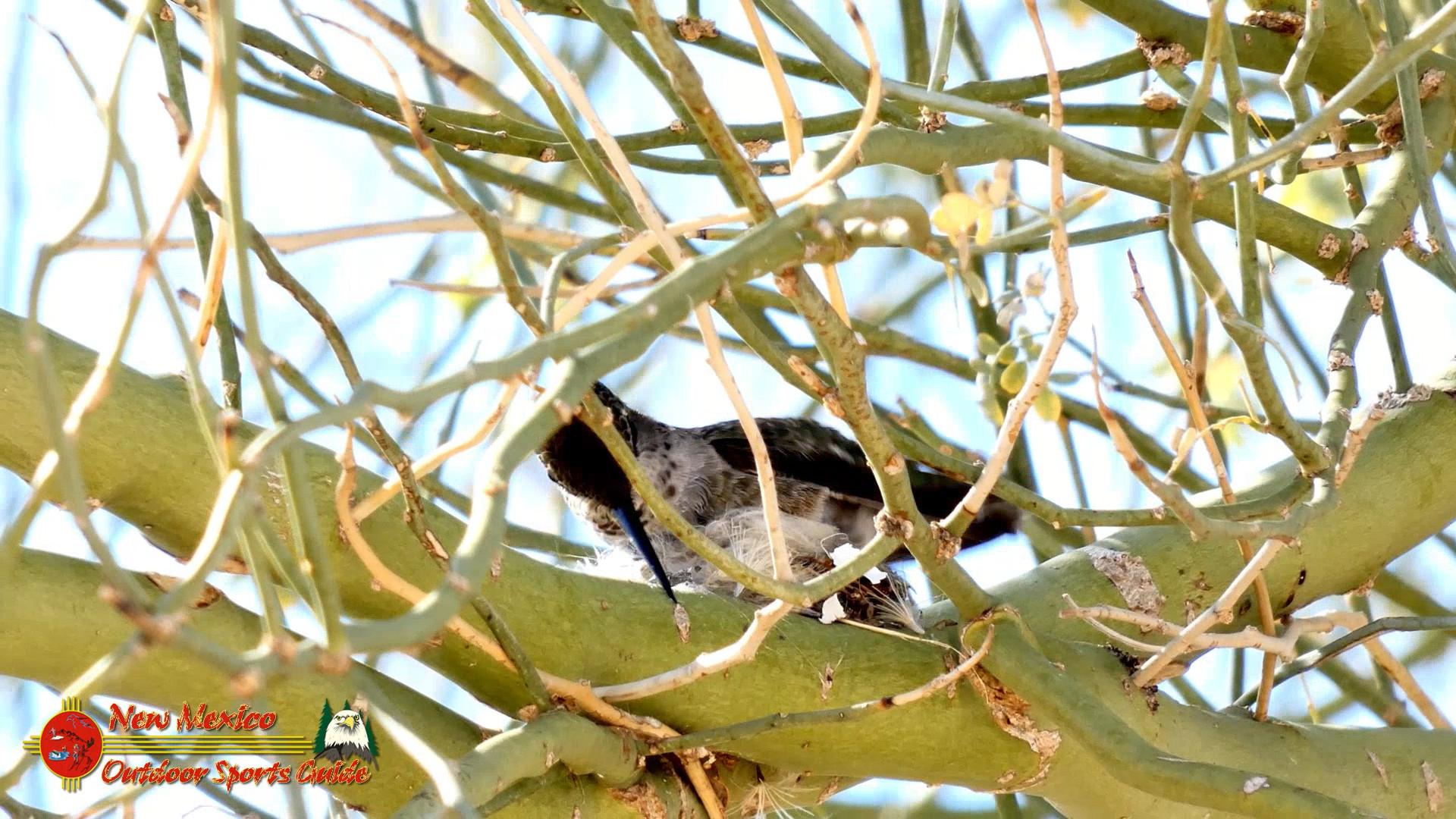
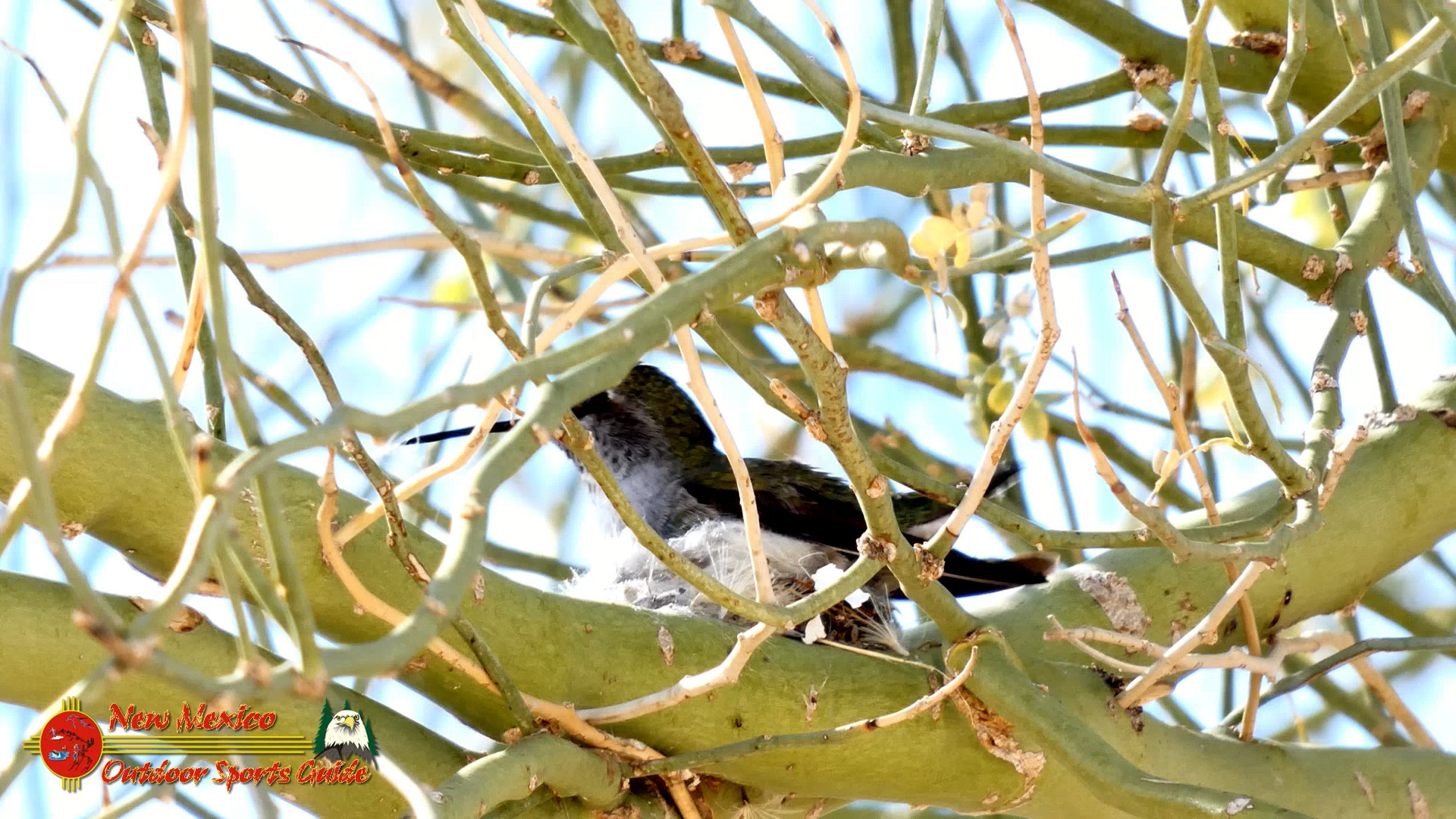
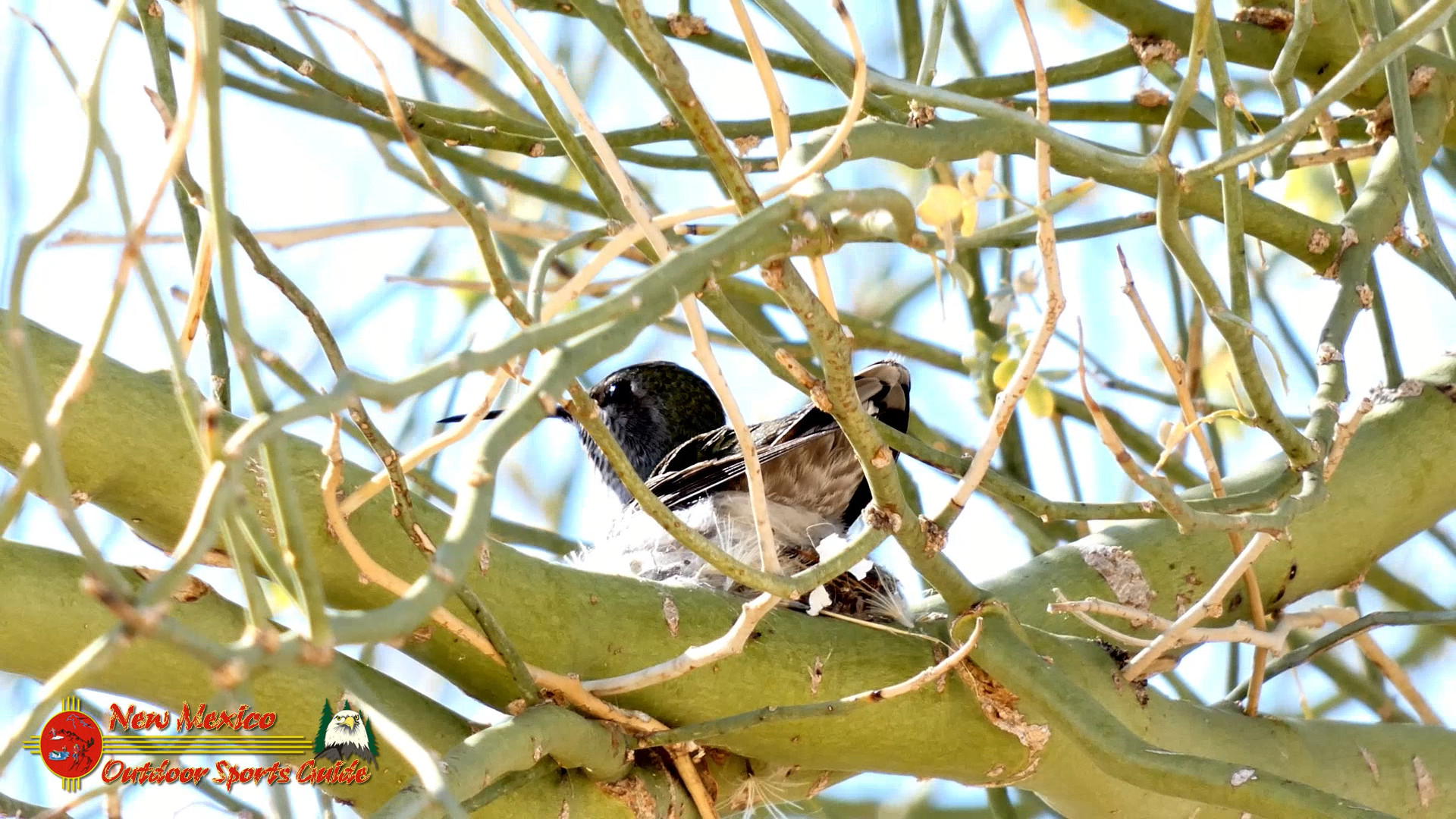
What happened over the next few hours was nothing short of miraculous. I've filmed everything from bighorn sheep battles to Buffalo herds, but watching this tiny architect at work might just top them all. The female hummingbird, no bigger than my thumb, began her construction project with the precision of a master builder.
First came the foundation. She gathered spider webs, the secret to a hummingbird nest's incredible elasticity. The silk is sticky enough to hold everything together but flexible enough to stretch as the chicks grow. Through my lens, I could see her carefully laying down strand after strand, creating a tiny platform no bigger than a quarter.
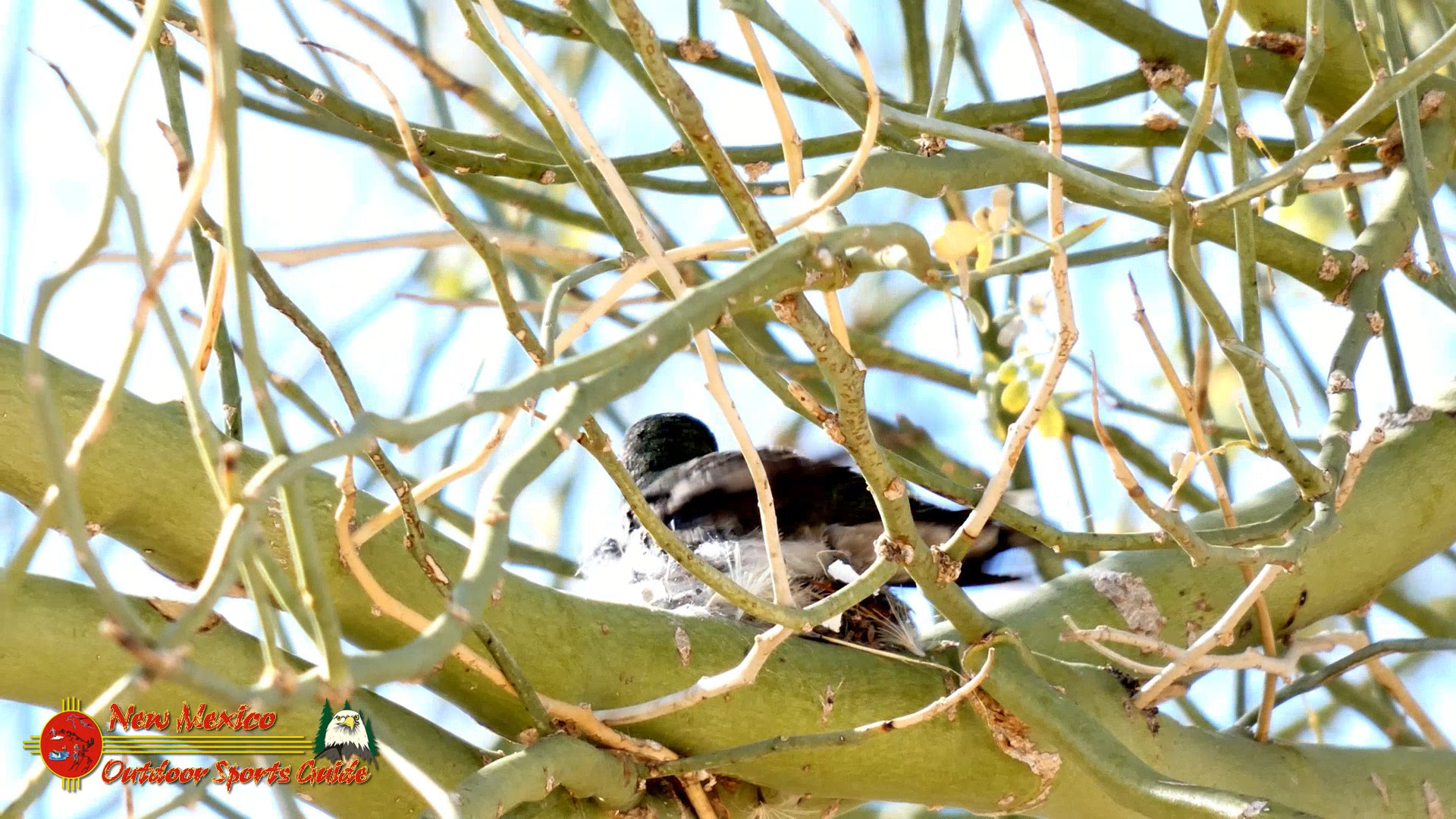
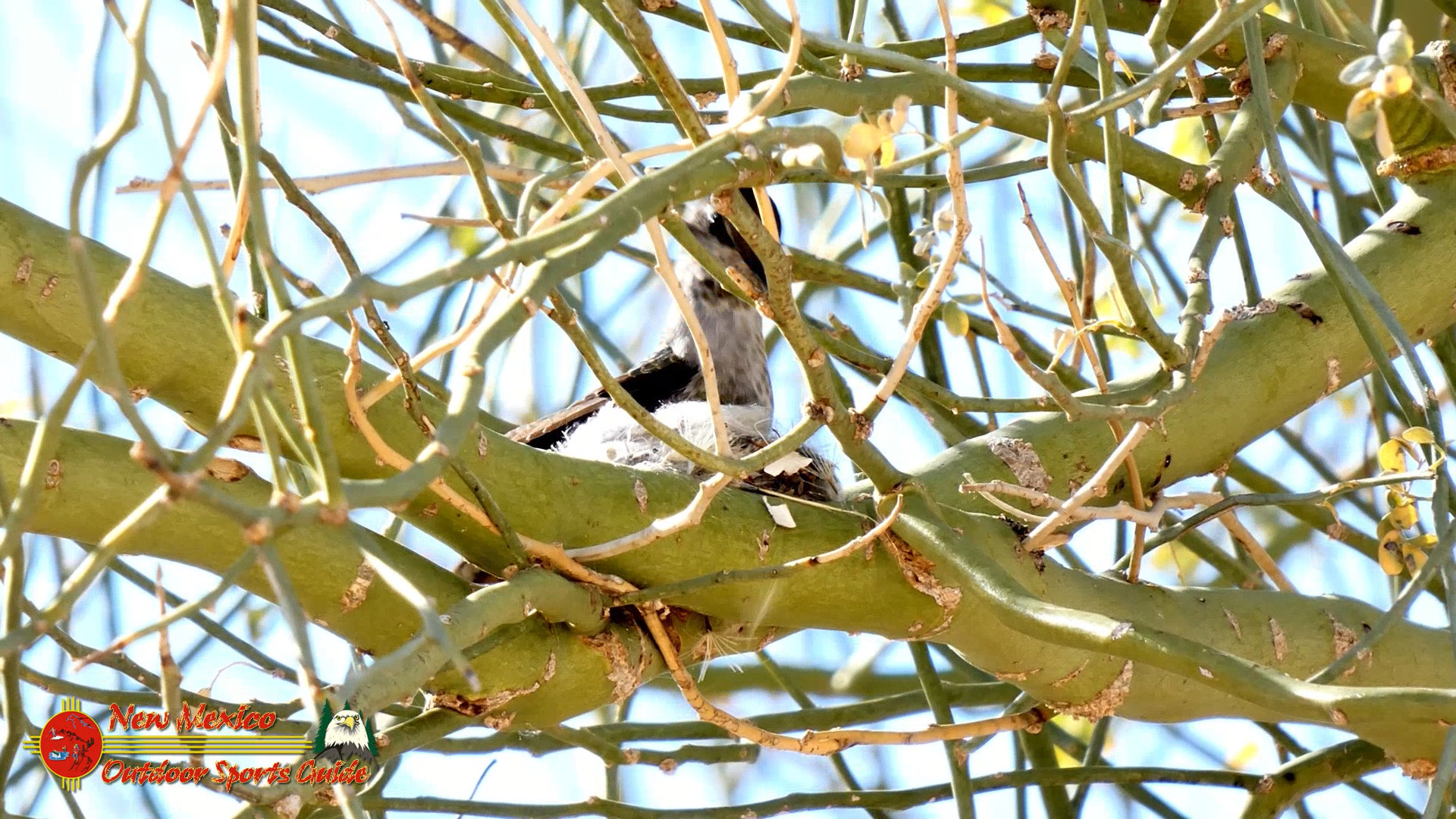
The real artistry came in how she shaped the nest. She would bring in soft plant fibers, carefully weaving them into the spider silk base. Then, in a move that never fails to amaze me, she would sit in the developing nest and use her body as a mold, pressing her chest against the walls while rotating to create a perfect cup shape. Her tiny feet would work the materials together while her beak tucked in loose ends with the precision of a seamstress.
The outer camouflage layer was particularly fascinating. She decorated the exterior with tiny bits of lichen and bark that matched the Palo Verde's branches perfectly. This is something I've seen countless times over my years of wildlife photography, but it never ceases to amaze me how these tiny birds instinctively know to camouflage their nests to match their surroundings.
As the afternoon wore on, the light breeze from Lake Mohave kept the temperature comfortable, and the constant activity around the Palo Verde reminded me of why this area is so special. A family of Gambel's Quail scurried beneath the tree, while a red-tailed hawk soared overhead, riding the thermals rising from the desert floor. The hummingbird seemed unfazed by it all, focused entirely on her important task.
The Lake Mead National Recreation Area has been one of my favorite photography locations for decades. Where else can you find such a perfect blend of desert and water landscapes? The Colorado River has carved more than just canyons here; it's created a unique ecosystem where desert and riparian habitats meet, providing perfect conditions for wildlife like our industrious little hummingbird.
By late afternoon, the nest was taking its final shape. No larger than a golf ball, it was a perfect example of natural architecture. The inside was lined with the softest materials she could find – plant down, feathers, and more spider silk. The walls, though only about a quarter-inch thick, would soon be strong enough to hold two tiny eggs and eventually two hungry chicks.
Through my years of wildlife photography, I've documented many hummingbird nests, but each one tells its own story. These tiny structures can withstand wind, rain, and the weight of growing chicks, all while remaining flexible enough to expand as needed. It's a testament to the incredible engineering instincts these birds possess.
As the sun began to dip towards the western horizon, casting long shadows across the desert landscape, I packed up my gear, careful not to disturb the new architect of the Palo Verde. She had chosen her spot well – protected from the elements but with a clear view of the surrounding area. From this vantage point, her future chicks would have a front-row seat to the daily drama of desert life, just as I've had for all these years.
Looking back through my camera's viewfinder one last time, I couldn't help but feel privileged to have witnessed this remarkable feat of natural engineering. In all my years of photographing wildlife across the American Southwest, from the highest peaks of Colorado to the lowest desert valleys, these small moments often prove to be the most meaningful.
The hummingbird's nest will remain here long after I've gone home, a tiny testament to the remarkable resilience of desert life. It's these moments that keep me coming back, camera in hand, ready to document the endless wonders of our natural world. As I drive away, the setting sun painting the sky in shades of purple and orange, I'm already planning my return to document the next chapter in this tiny hummingbird's story.
For those interested in witnessing hummingbird nest building firsthand, remember to keep your distance and use a good zoom lens using a Lumix FZ80. These delicate architects need their space to work their magic, and the reward of watching them without disturbing their process is worth every minute of patient observation. After all, some of nature's most spectacular shows come in the smallest packages.
0 Comments