
The Mojave Desert stretches out before me like a sun-bleached canvas, punctuated by towering cacti, scattered creosote bushes, and the kind of wild, rugged beauty that speaks to the soul. From our home in the Arizona Mojave, just a stone’s throw from the Colorado River and Lake Mohave, there’s a four-mile round-trip hike Paulette and I never tire of—a journey to the abandoned Old Wagon Trail Ranch. It’s a trail steeped in history, solitude, and a kind of quiet magic that only the desert can offer.
Morning Beginnings
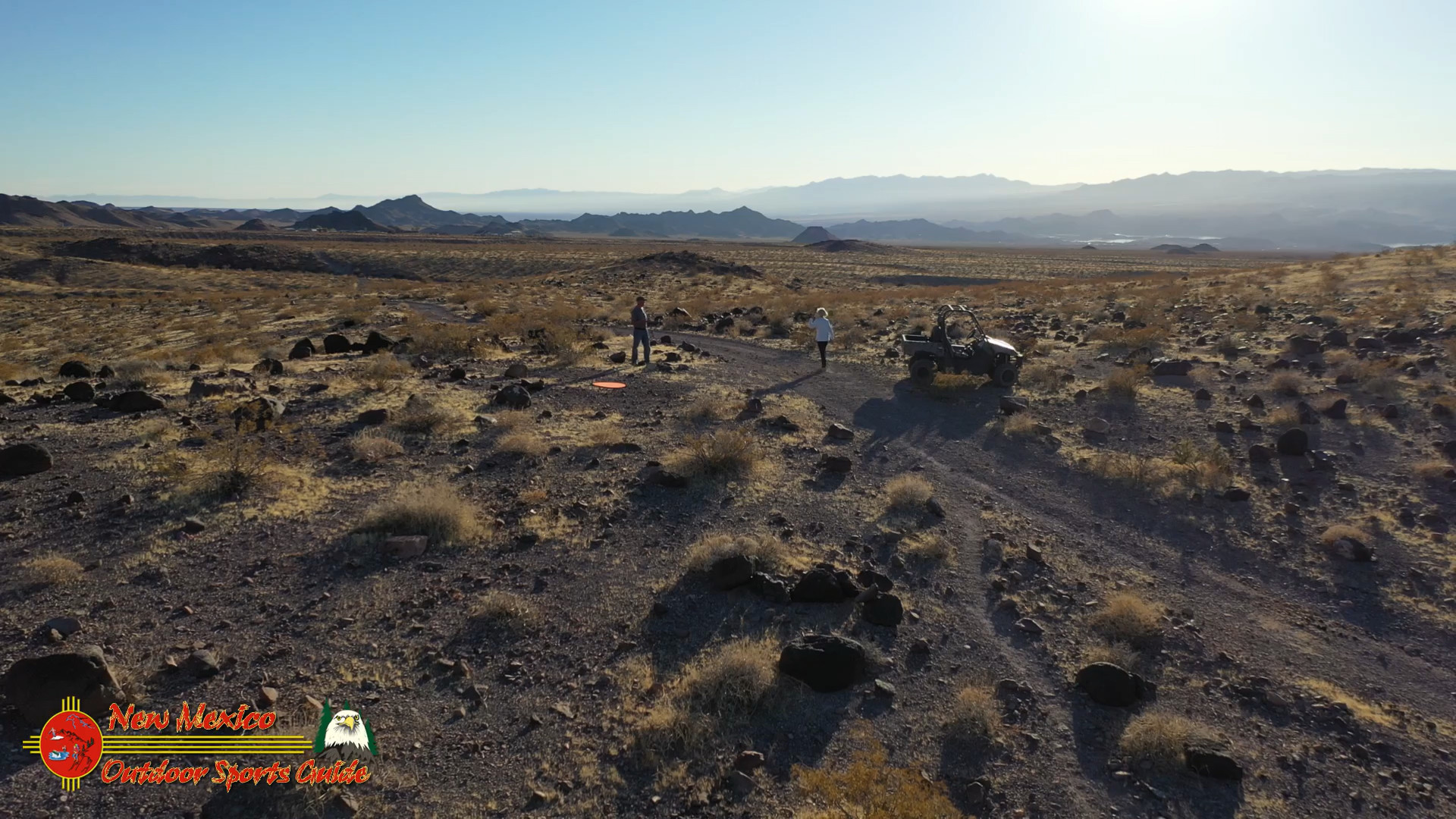
It’s best to start early, when the desert air still carries the coolness of night, and the rising sun paints the Black Mountain Range in hues of pink and gold. Standing at the trailhead, the first thing you’ll notice is the expanse of the Mojave Desert stretching out to the horizon, where the jagged peaks of the Black Mountains rise like sentinels guarding this arid wilderness. I grew up in country like this, and it’s always felt like home. The grit of the sandy trail underfoot, the distant call of a cactus wren—these are the sounds and sensations that ground me.
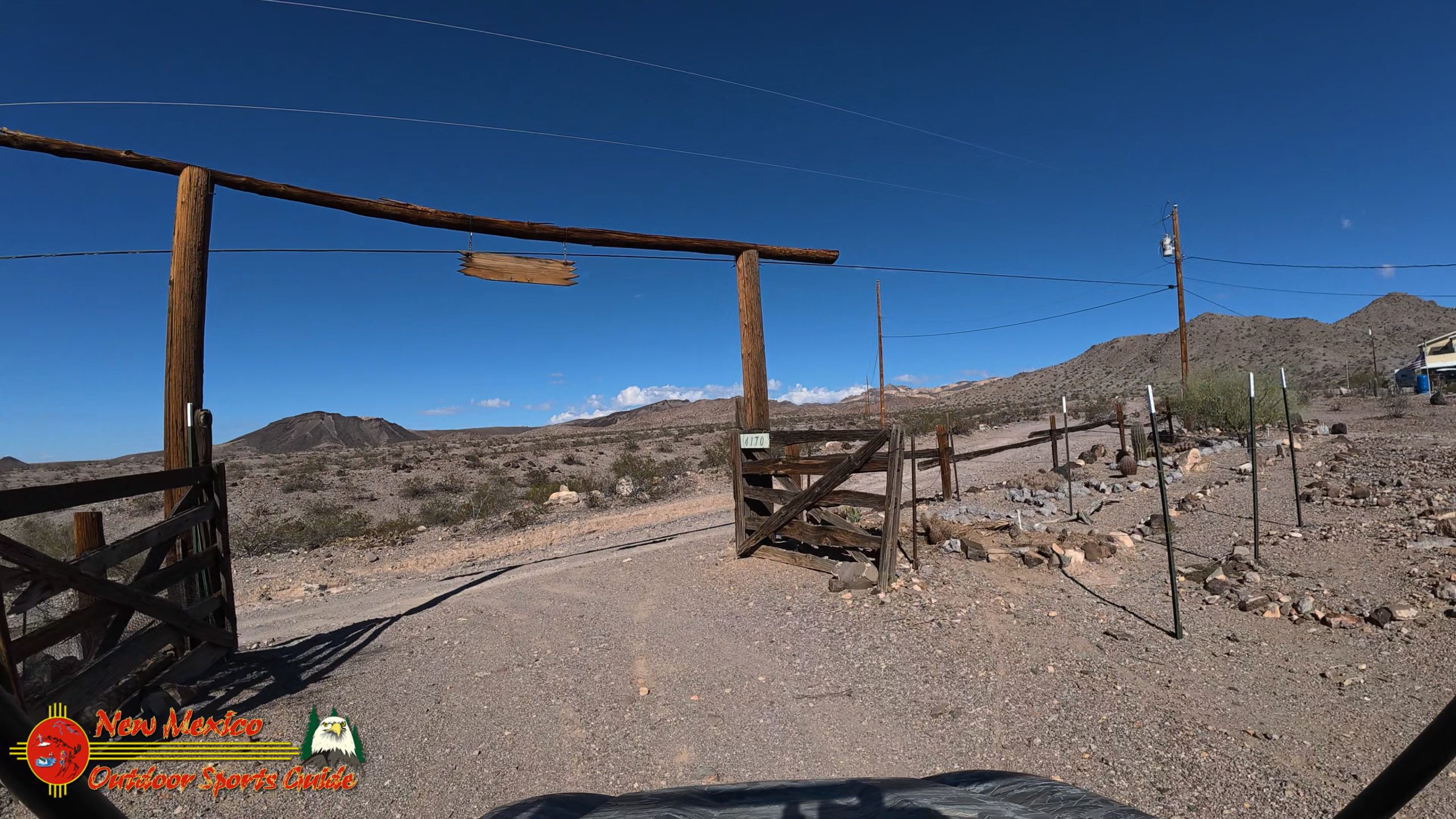
Paulette and I have hiked this trail countless times, and it never fails to fill us with awe. The trail begins with a gradual ascent along the Old Wagon Trail. Around every bend, the views shift, offering glimpses of Lake Mohave shimmering like a sapphire in the distance. It’s easy to imagine the early settlers navigating this rugged terrain with their wagons, searching for water, shelter, and a chance at survival.
Desert Vistas and Wildlife
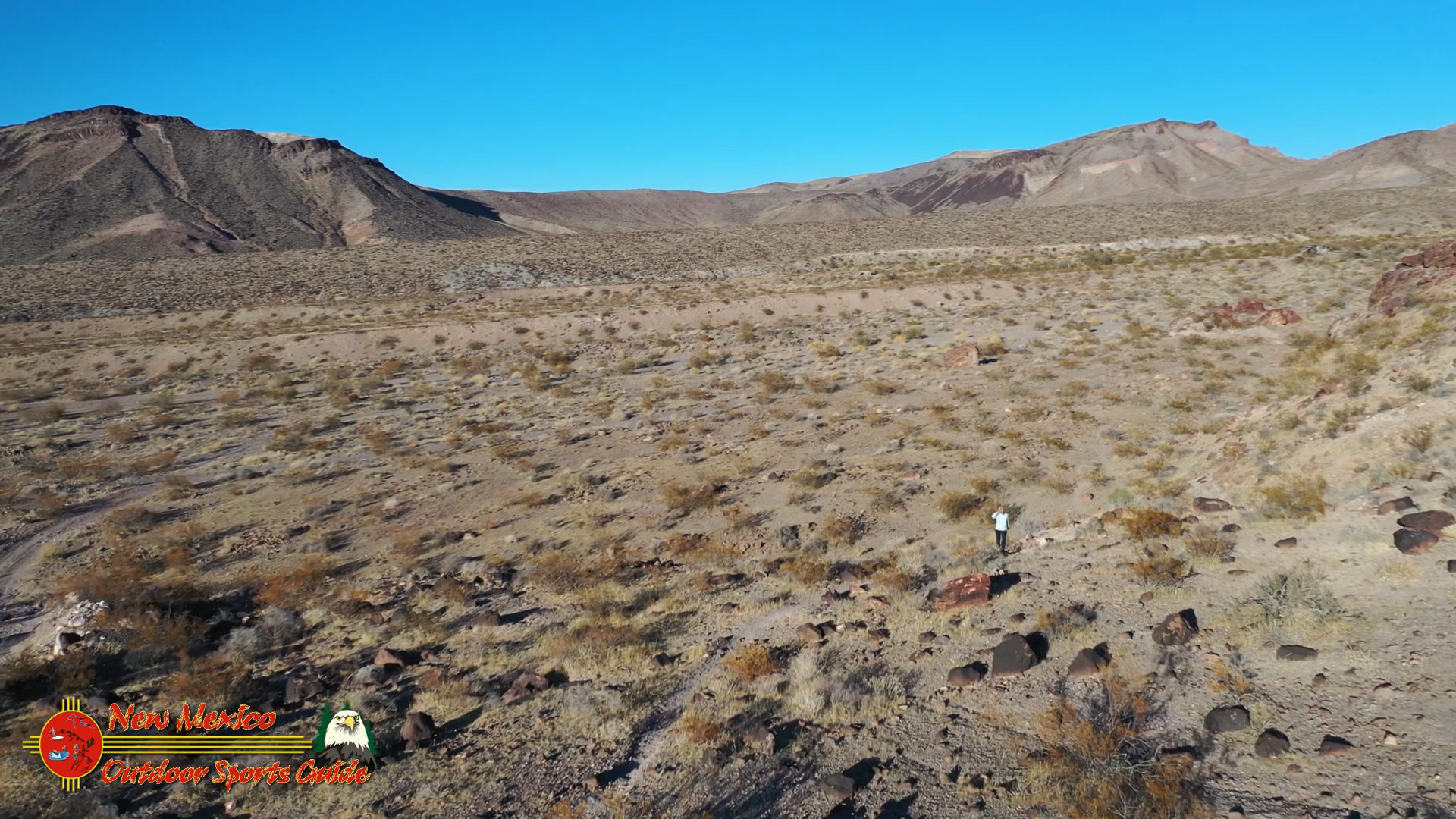
The Mojave is a land of extremes, but it’s far from barren. As we hike, the desert comes alive with subtle signs of life. A desert cottontail darts across the trail, its white tail flashing like a signal. Lizards scuttle over rocks warmed by the sun. And if you’re lucky, you might spot a red-tailed hawk soaring overhead, its keen eyes scanning the ground for prey.
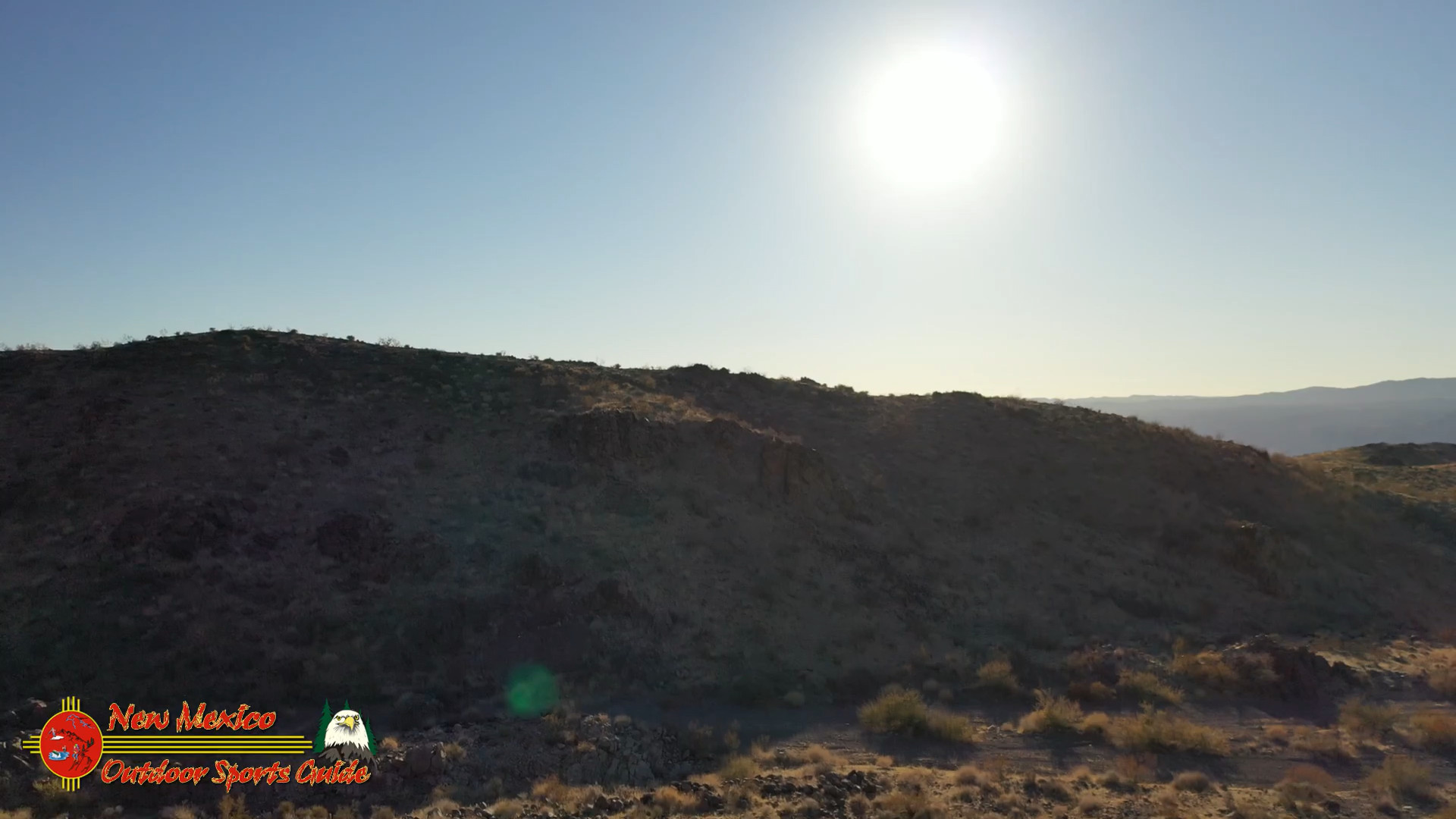
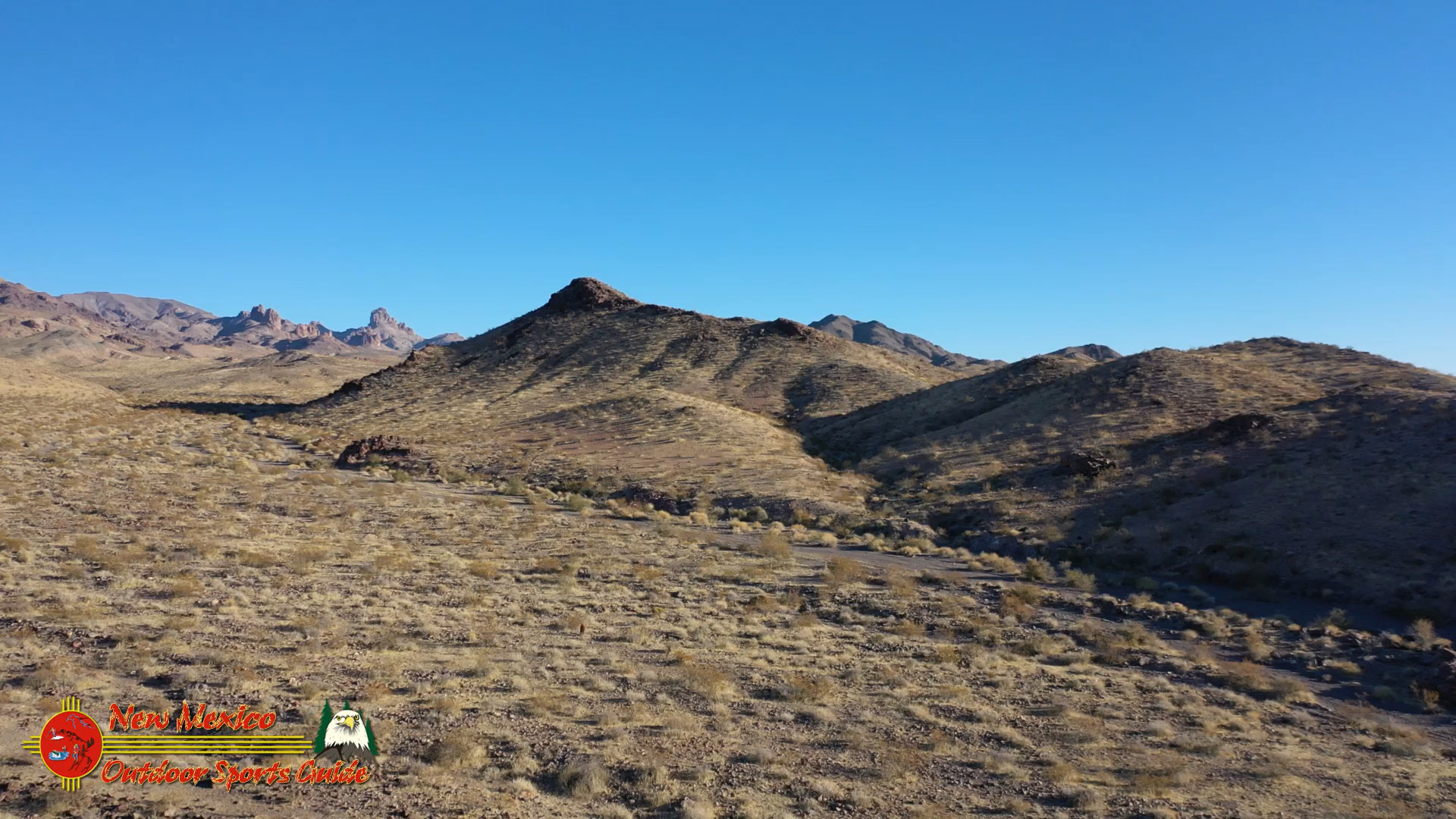
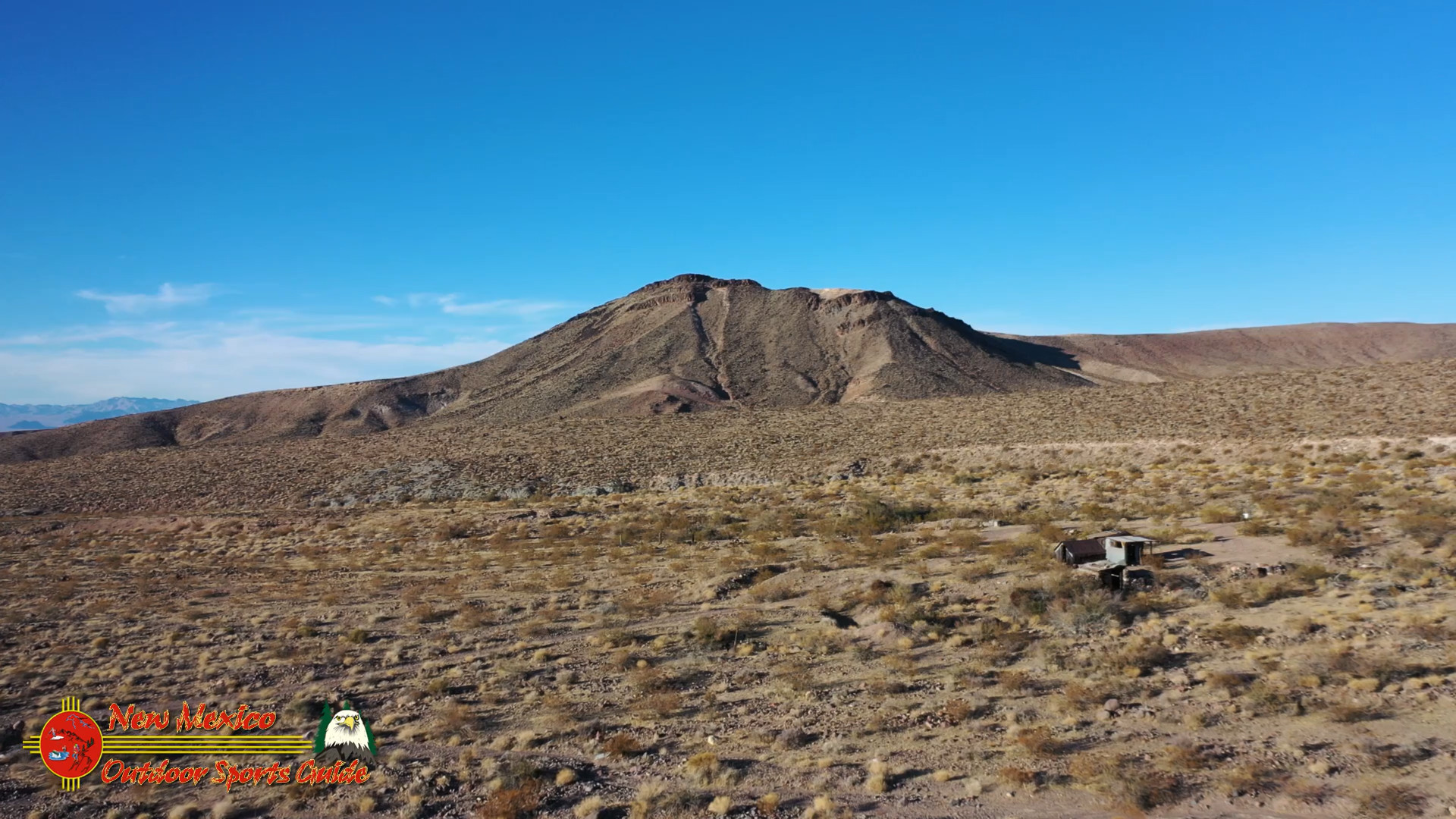
The Black Mountain Range dominates the western skyline, its dark volcanic rock a stark contrast to the pale desert floor. These mountains have stood watch over the Mojave for millennia, their craggy peaks shaped by time and weather. As a rancher’s son, I’ve always admired their resilience, a quality I’ve tried to embody in my own life.
The Old Wagon Trail Ranch
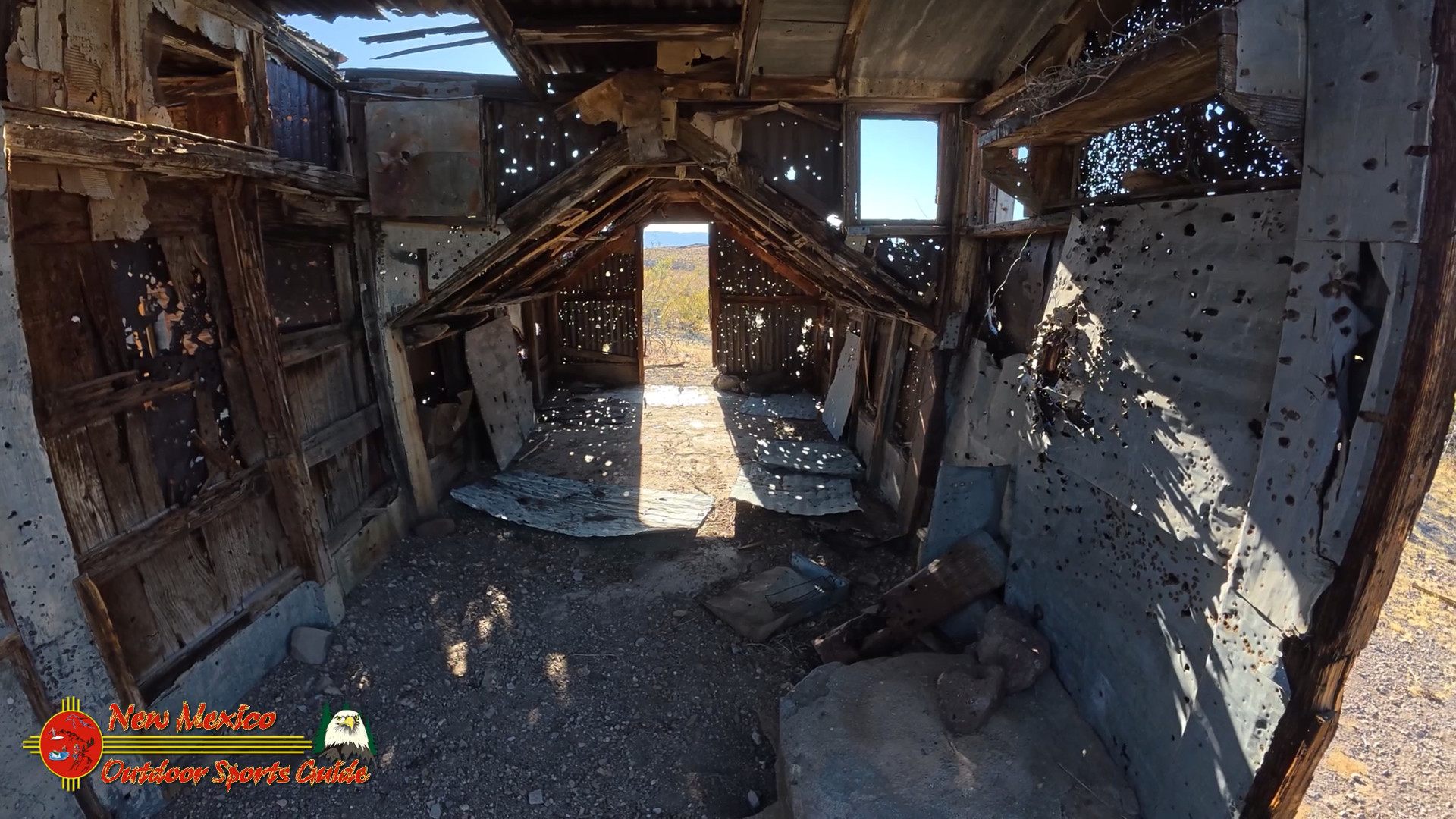
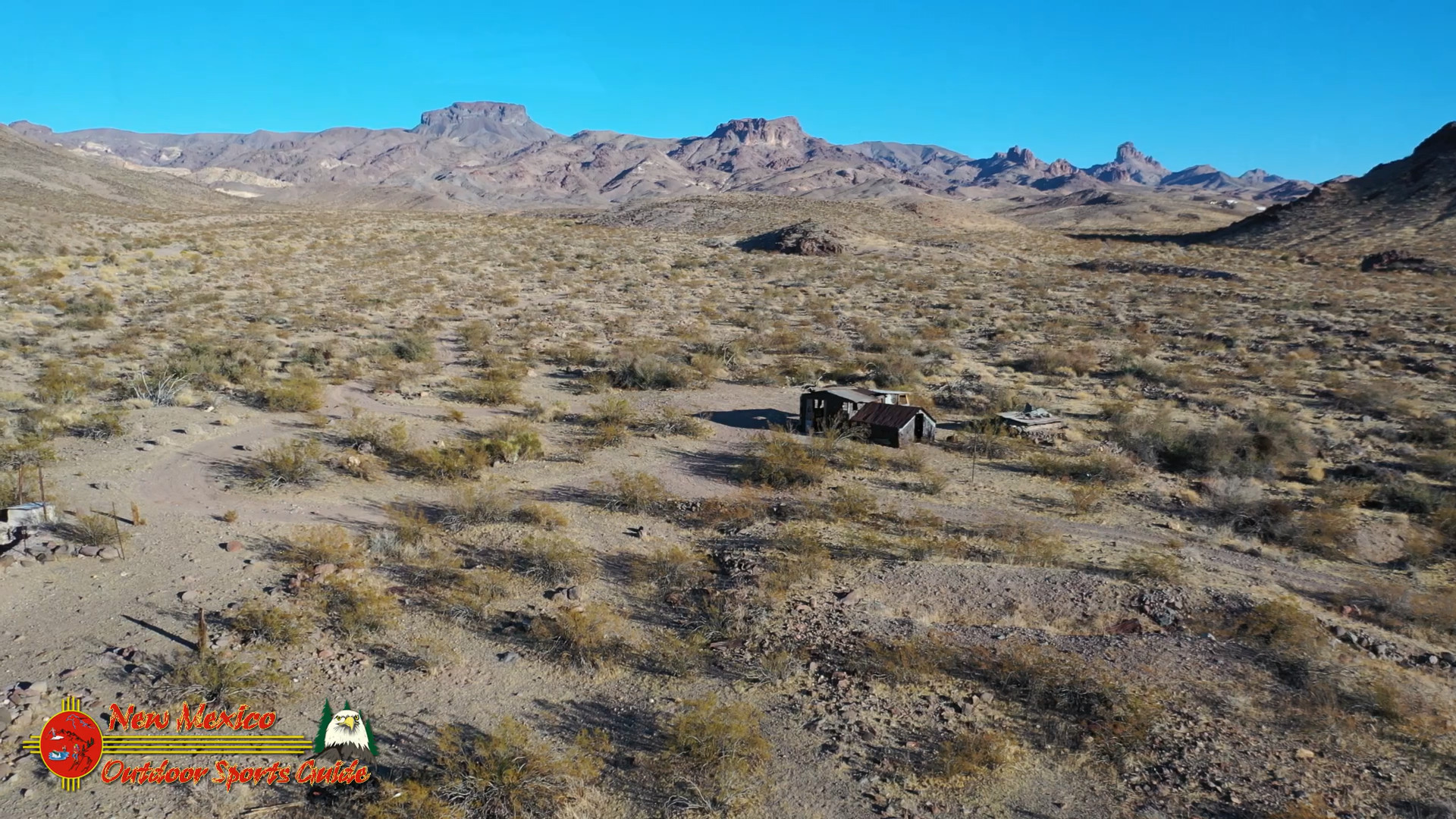
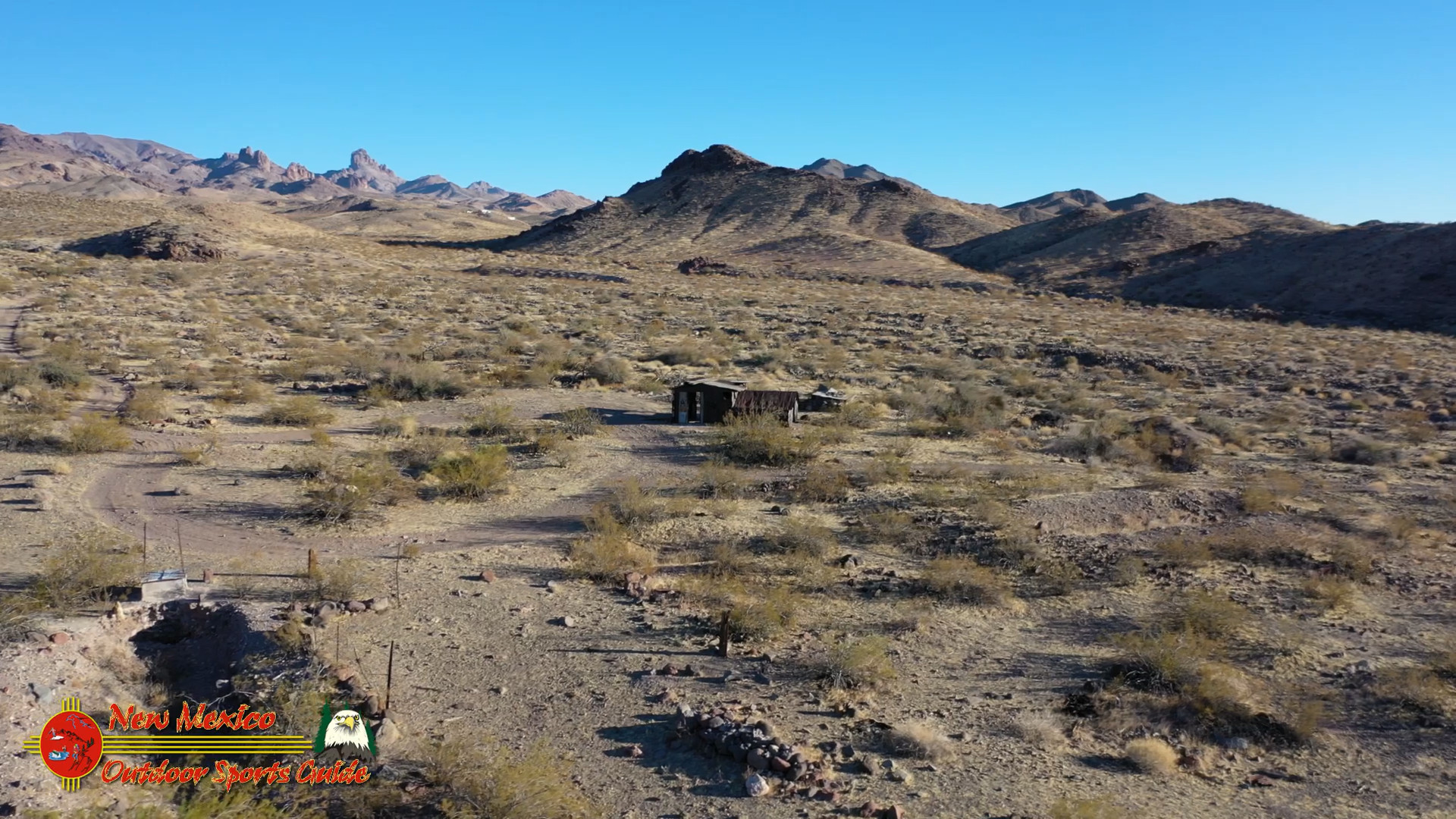
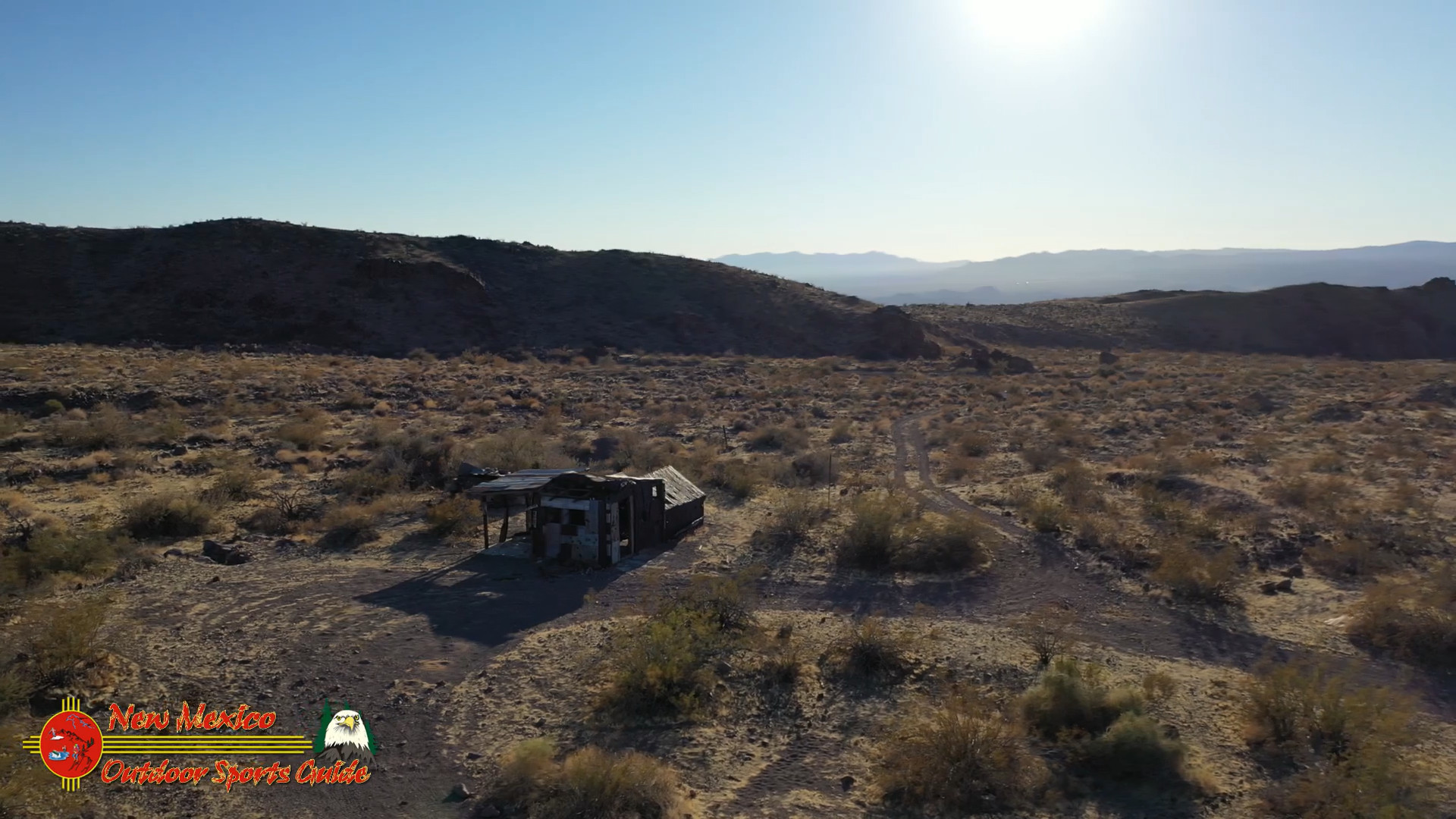
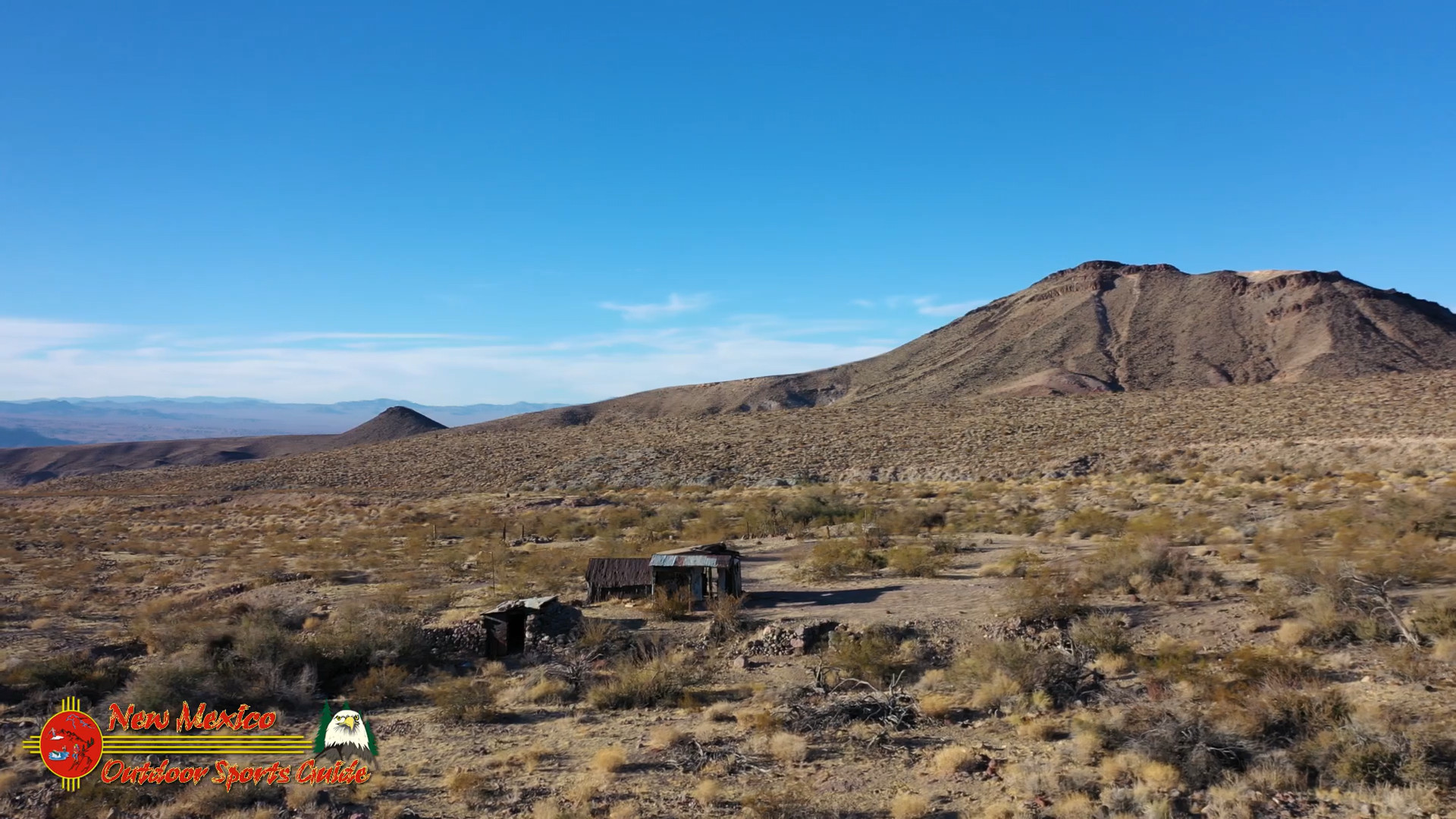
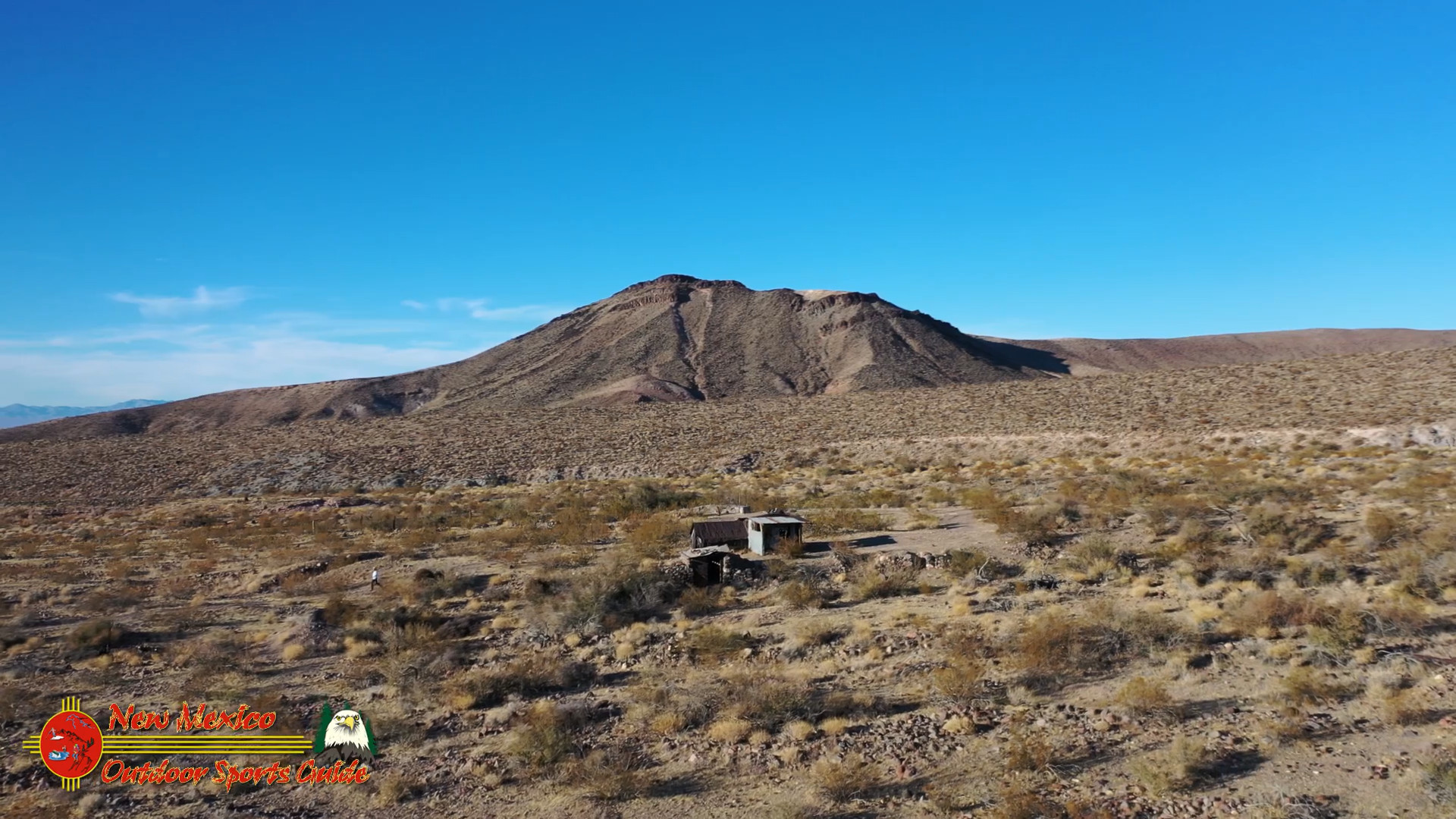
About two miles in, the trail crests a small rise, and there it is: the Old Wagon Trail Ranch. Or what’s left of it. The first thing you notice is the old metal-sided ranch house, its weathered walls pockmarked with bullet holes. Who fired those shots, and why? Was it outlaws, bored cowhands, or perhaps someone testing their aim on a quiet desert afternoon? The house is a single room, its roof long gone, but stepping inside feels like walking into another era. The walls whisper stories of hardscrabble lives lived on the edge of civilization.
Nearby, there’s an old rock-walled pantry dug into the side of a wash, its corrugated metal roof rusted but still intact. The cool, shaded interior once stored provisions safe from the desert heat. I like to imagine sacks of flour, tins of coffee, and maybe even a jar or two of preserves lining its shelves, a testament to the ingenuity and determination of those who called this harsh land home.
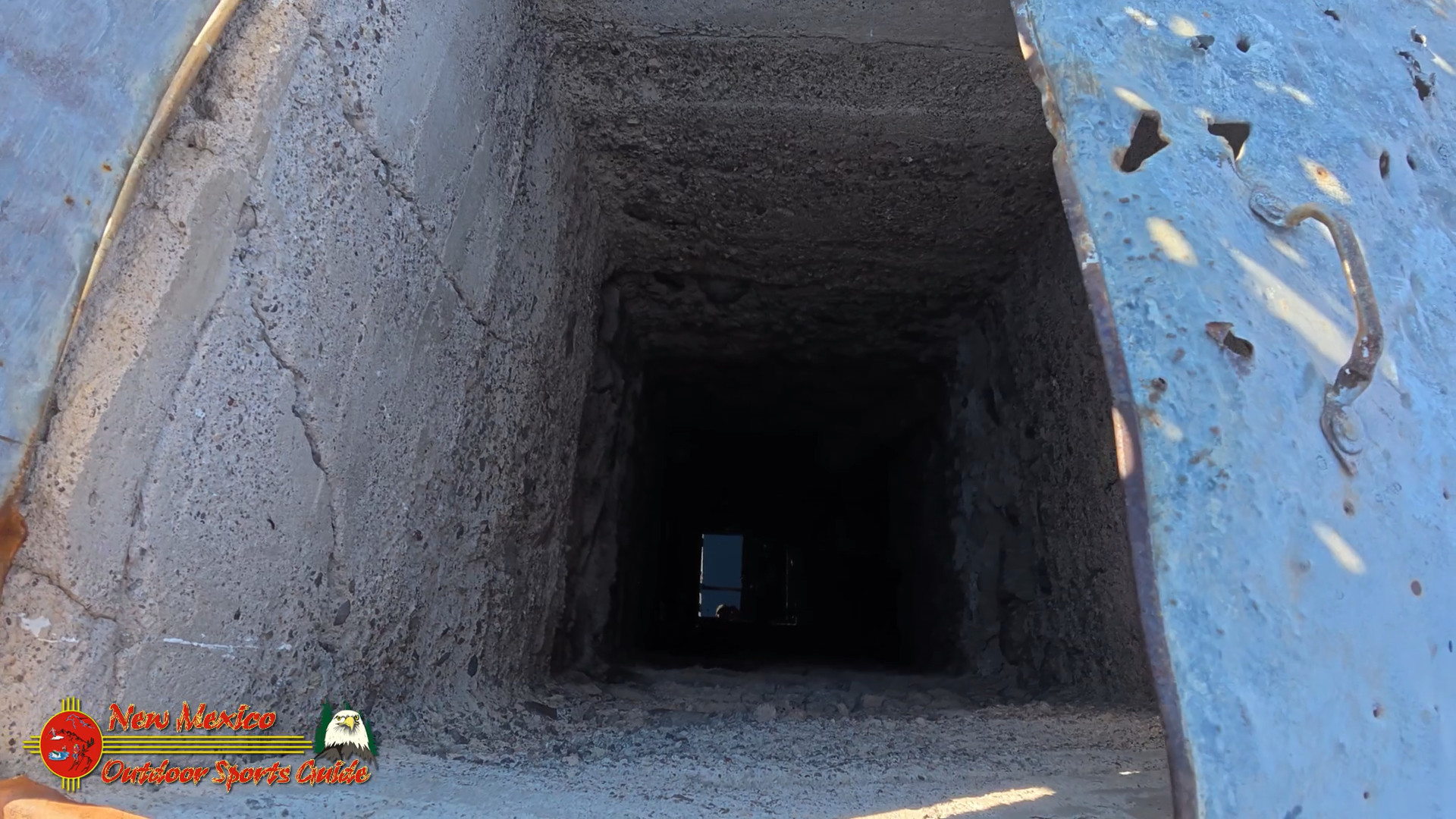
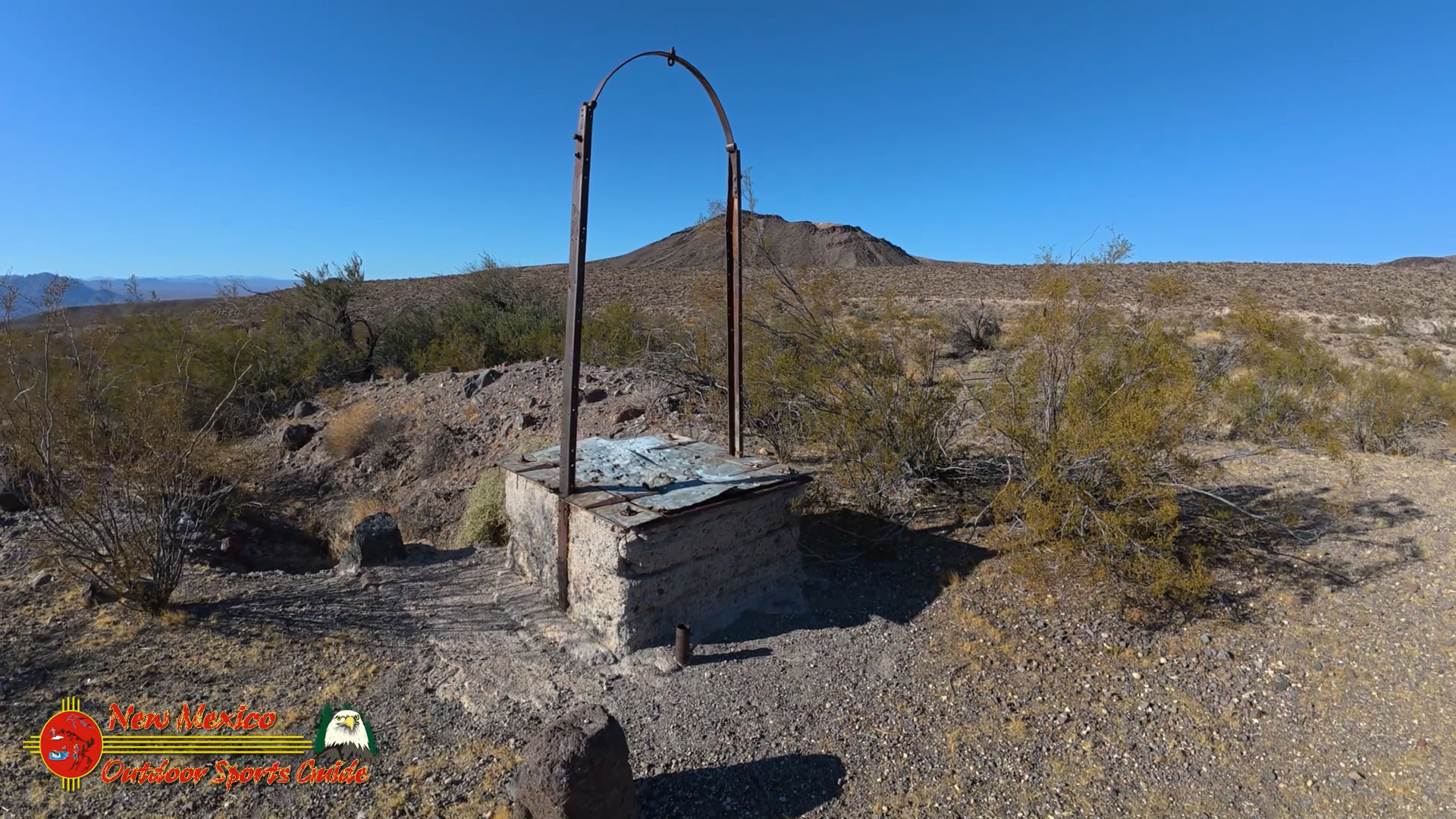
A few paces away is the hand-dug well. Leaning over the edge and peering down, you’ll see water glinting faintly at the bottom, a precious resource in this arid land. The thought of digging such a well by hand is humbling. As a young man, I spent my fair share of days digging fence posts and irrigation ditches on the ranch, but this—this is on another level.
The Return Journey
After exploring the ruins, Paulette and I usually find a shaded spot to rest and take in the views. From here, you can see Lake Mohave stretching out in the distance, its waters fed by the mighty Colorado River. The lake’s shimmering surface is a stark contrast to the dry, rugged landscape that surrounds it. It’s a reminder of the lifeline this river has provided to both humans and wildlife for thousands of years.
As we begin the return journey, the sun is higher in the sky, and the heat intensifies. Desert hiking demands preparation: plenty of water, sturdy boots, and a hat to shield you from the relentless sun. The trail winds back through the wash, and the Black Mountains seem to shift in color, their shadows growing longer as the day progresses.
On the way back, we often pause to photograph the desert’s subtle beauty. The textures of a barrel cactus, the intricate patterns of sun-bleached wood, the way the light filters through a stand of mesquite trees. Capturing these moments in photos and videos is my way of preserving the magic of the Mojave, a land I’ll never tire of exploring.
Reflections on the Mojave
Hiking the Mojave Desert is more than just a physical journey; it’s a journey into the heart of a land that’s both unforgiving and deeply rewarding. It’s a place where life clings to existence with a tenacity that inspires me every time I set foot on the trail. And it’s a place that calls to my soul, reminding me of my roots and the enduring beauty of the American Southwest.
If you ever find yourself in the Arizona Mojave, I invite you to explore this trail. Stand at the ruins of the Old Wagon Trail Ranch, and imagine the lives of those who came before. Feel the grit of the desert underfoot and the vastness of the sky overhead. And as you hike back, let the Mojave’s timeless beauty settle into your bones, just as it has for me.
0 Comments