
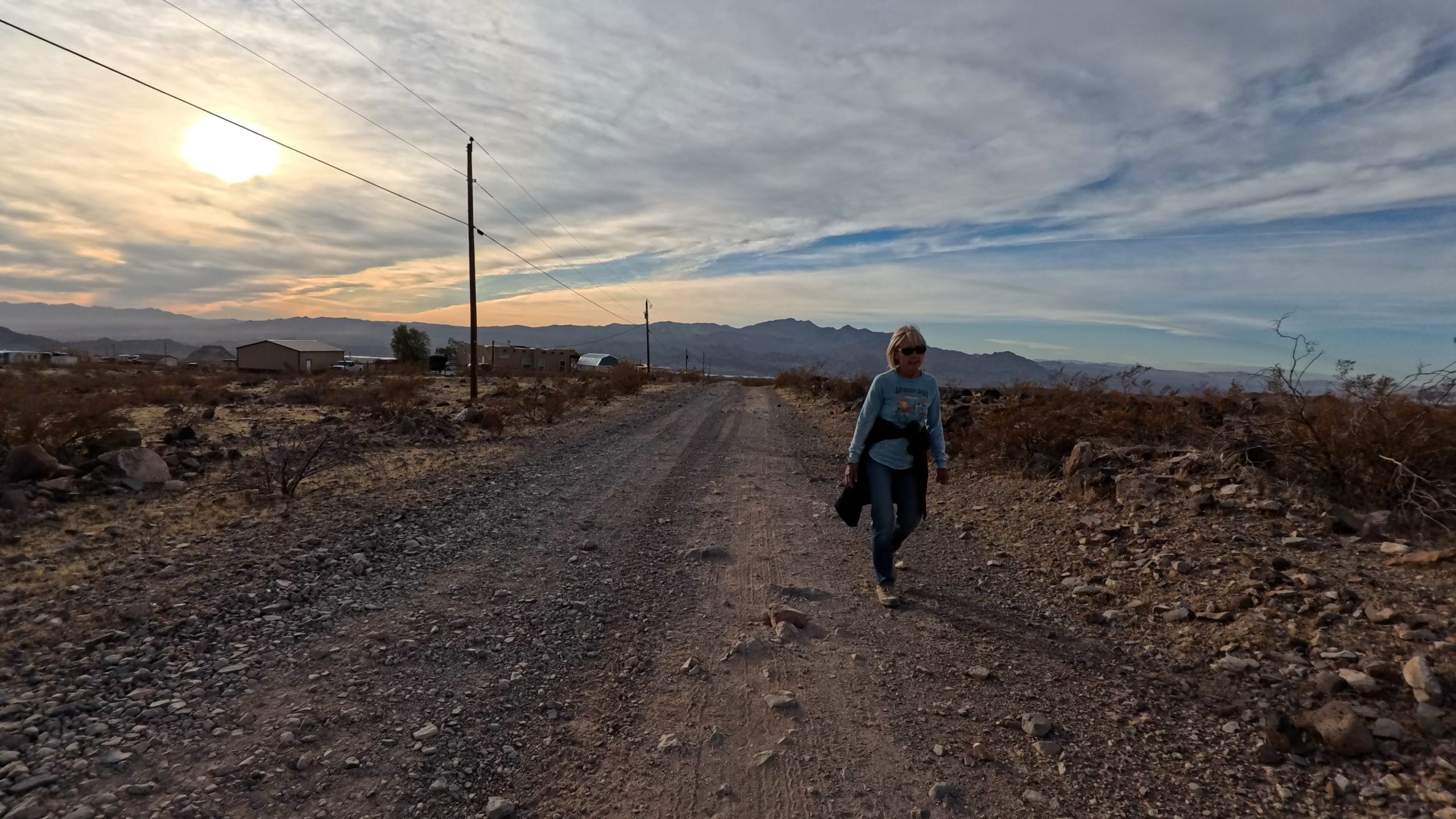
The cool December air nips at my weathered cheeks as I lace up my well-worn hiking boots, a ritual I've maintained for more decades than most young folks have been alive. At 81, some might question the wisdom of a four-mile round trip through the unforgiving Mojave Desert landscape, but to me, this is living. This is connection. This is home.
My morning begins before the sun crests the rugged silhouette of the Black Mountain Range, casting long shadows across the Arizona desert. The landscape isn't just terrain to me—it's a living, breathing memoir of countless seasons, of resilience, of stories etched into every rock and creosote bush.
The Landscape of Memory
The Colorado River-fed Lake Mohave glimmers in the distance, a blue-green ribbon against the earth-toned palette of the desert. I've watched this landscape transform over generations—not just through the lens of my camera, but through a lifetime of intimate understanding. Each step I take today is a conversation with the land, a dialogue that began long before my first memories of ranch life.
My backpack, lighter now than in years past but still carrying essentials—water, first aid, a few energy bars, and of course, my camera—sits comfortably against my back. The weight is familiar, a companion on countless journeys. Today's hike to the abandoned Old Wagon Trail Ranch isn't just a physical journey, but a pilgrimage through memory and history.
The Old Ranch: A Desert Time Capsule
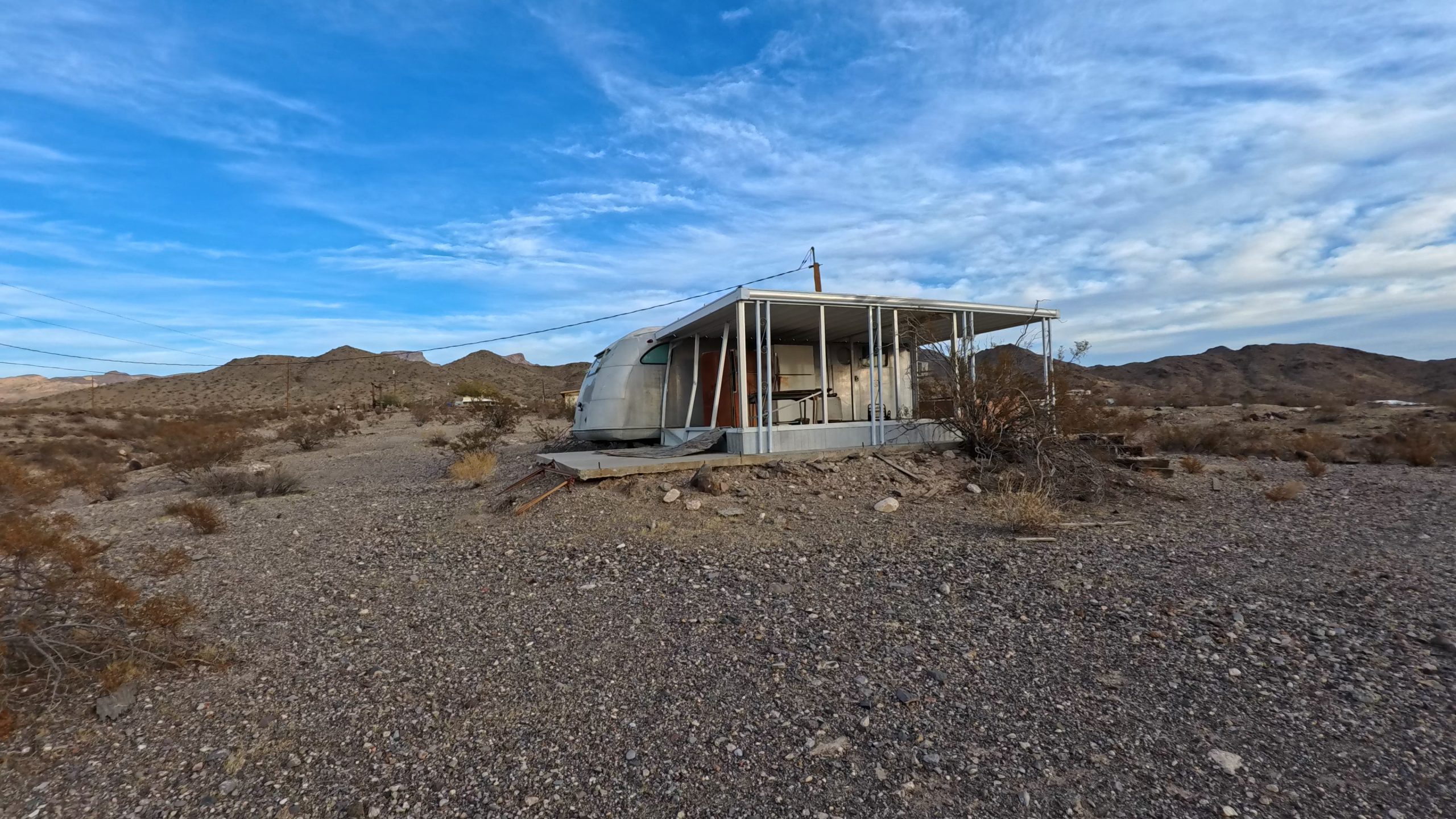
As I approach the ranch, the first thing that catches my eye is the old metal-sided building. Decades of desert winds and occasional gunshots have transformed its surface into a testament of survival. Bullet holes pepper the metal siding like a rough constellation, each mark telling a story of frontier life, of encounters both mundane and dramatic.
The building stands as a solitary sentinel, its one room a window into a time when survival meant ingenuity and grit. I've seen countless abandoned structures in my years of hiking, but this one speaks to me differently. Perhaps it's the careful construction, perhaps it's the location nestled against the wash, or perhaps it's simply the weight of human history that seems to hang in the air.
Adjacent to the main building, the rock-walled pantry catches my attention. Dug into the side of the wash and topped with a weathered metal roof, it's a brilliant piece of desert architecture. Pioneers and ranchers knew something that modern builders often forget—working with the landscape, not against it. The pantry would have kept food cool, preserved, protected from the relentless desert heat.
The Well: A Lifeline in the Arid Landscape
I carefully approach the hand-dug well, my movements deliberate. At my age, every step is a negotiation with balance and terrain. Peering down, I'm struck by the presence of water still lingering at the bottom. Water in the desert is never just water—it's life itself. This well represents hope, survival, the human determination to carve out existence in one of the planet's most challenging environments.
The Colorado River might be nearby, Lake Mohave a sparkling reminder of human engineering, but this well represents something more primal. It's a testament to the hands that dug it, the sweat and determination that brought it into being. I snap a few photographs, knowing that each image is more than just a visual record—it's a preservation of human resilience.
Desert Flora: More Than Meets the Eye
The desert is never truly empty, a fact that becomes more apparent with each passing year of my hikes. The creosote bushes, with their distinctive smell that rises after rain, are more than just vegetation to me. They're indicators of ecological health, markers of time, survivors of countless harsh seasons.
Cholla cacti dot the landscape, their spine-covered branches a warning and a wonder. To the untrained eye, they might seem hostile, but I see them as perfectly adapted residents of this harsh environment. Each spine, each branch is a story of survival, of finding beauty and function in the most challenging conditions.
Fitness and Freedom in the Golden Years
Some might look at an 81-year-old trekking through the Mojave Desert and see limitation. I see liberation. Hiking isn't just about physical fitness for me—it's about maintaining a connection with the world, with myself, with the landscapes that have shaped my understanding of life.
The Lake Mead National Recreation Area, which encompasses much of this region, represents more than just a protected landscape. It's a testament to conservation, to understanding that these spaces are not just land, but living ecosystems that require respect and preservation.
The Photographer's Eye
My camera is more than equipment—it's an extension of my perception. Each photograph or video I take is a story, a moment frozen in time. The play of light across the Black Mountain Range, the subtle textures of desert rocks, the resilient vegetation—these are my canvases, my narratives.
Digital technology has transformed photography, but the essence remains the same. Capture the moment, tell the story, preserve the memory. My photographs and videos are not just images, but conversations with future generations about the beauty, complexity, and resilience of the Mojave Desert.
Returning Home: Reflections of a Desert Hiker
As I make my way back, the afternoon light transforming the landscape into a canvas of amber and gold, I reflect on the journey. Four miles might not seem like much to younger hikers, but each step is deliberate, each breath a celebration of continued mobility and passion.
The Arizona desert, with its rock-strewn washes and complex ecosystem, is not a barren wasteland. It is a living, breathing entity. Each hike is a dialogue, each step a conversation with a landscape that has existed long before human memory and will continue long after.
A Message to Future Explorers
To those who might read this and see only an old man's ramblings, I offer this: the desert is not conquered, it is experienced. It is not a challenge to be overcome, but a story to be understood. Fitness is not about age—it's about passion, about maintaining a connection with the world around you.
My hikes might have slowed, my steps might be more measured, but my wonder remains undiminished. The Mojave Desert continues to teach me, to surprise me, to remind me of the incredible complexity of our natural world.
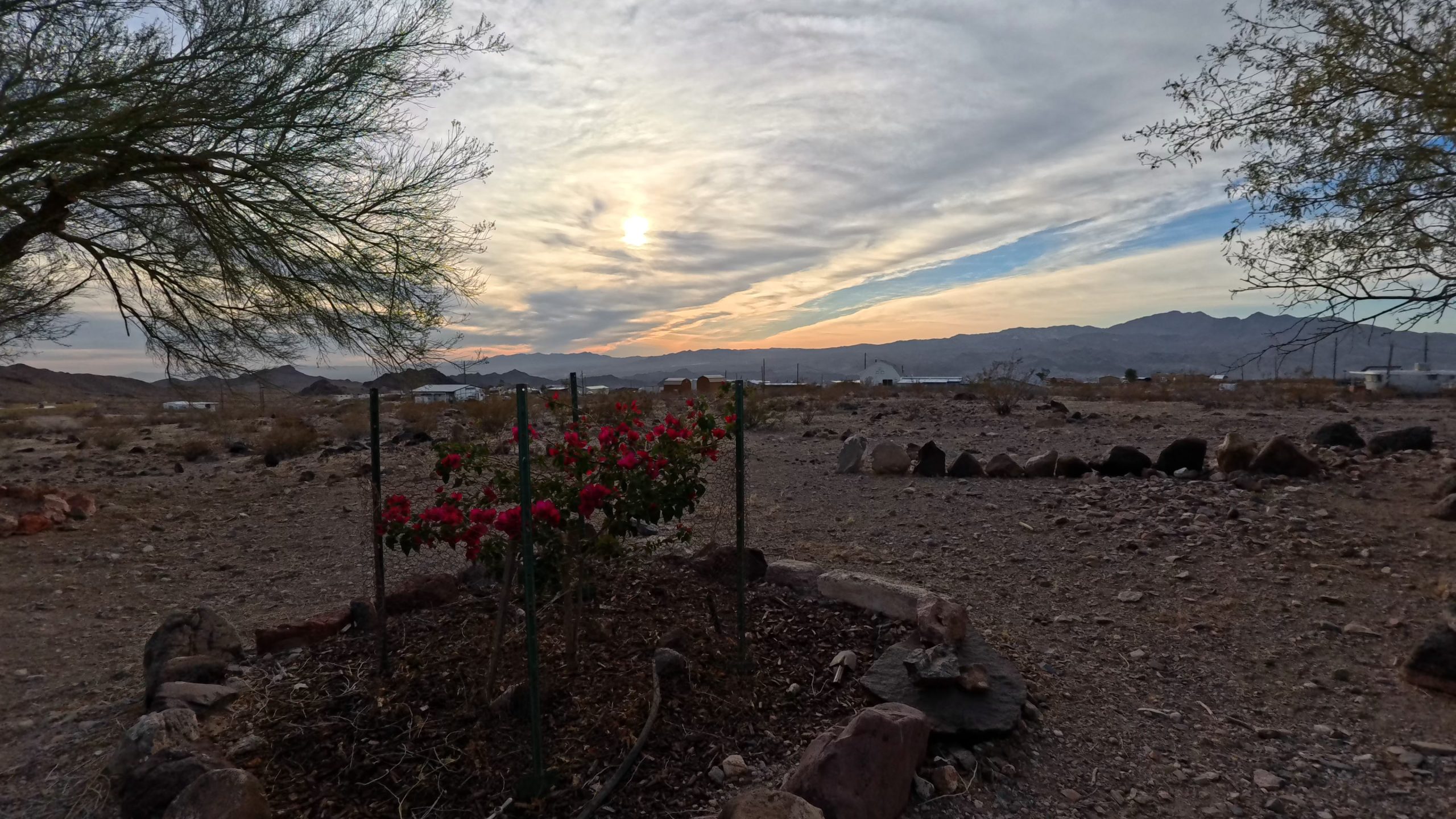
As the sun begins to set, casting long shadows across the landscape, I know that this journey—like every desert hike—is a privilege. A conversation. A story waiting to be told.
0 Comments